2026 Top Rubber Seal O Ring Buying Guide for Global Buyers?
In the world of industrial applications, the Rubber Seal O Ring plays a critical role. It is essential for ensuring leak-proof performance in various machinery and equipment. Selecting the right O Ring is not just about matching sizes; it requires an understanding of materials, environmental conditions, and specific applications.
Many buyers underestimate the importance of quality. A subpar Rubber Seal O Ring can lead to significant failures. These failures may result in costly downtime and repairs. It is vital to consider factors like temperature resistance, chemical compatibility, and proper sizing. Each detail has lasting impacts on functionality and durability.
The market offers a wide variety of options, which can be overwhelming. Many buyers often find themselves lost without expert guidance. Understanding these intricacies can save you from future regrets. Buyers should reflect on their choices and prioritize quality over price. A well-informed decision can lead to reliable performance and long-term savings.
Understanding the Basics of Rubber Seal O Rings
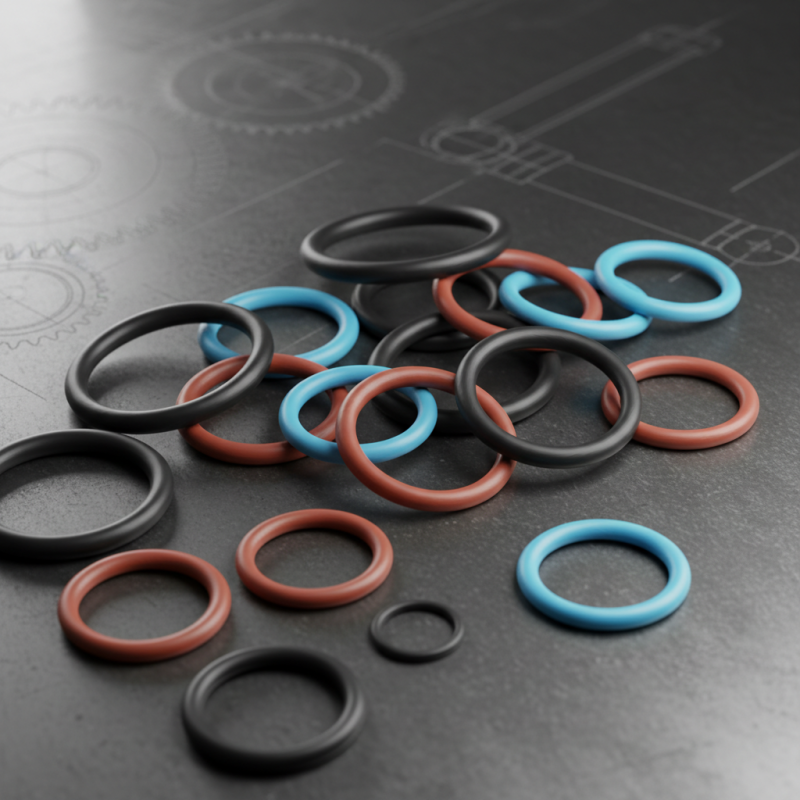
Rubber seal O rings are essential components in various industries. They provide sealing solutions in machinery, automotive, and plumbing applications. Understanding their basic features can help you make informed purchases.
When choosing rubber O rings, material is crucial. Common options include nitrile, silicone, and fluorocarbon. Each material offers different resistance to heat, chemicals, and wear. Consider the environment where the O rings will be used. If exposed to oil or extreme temperatures, select a material suitable for those conditions.
Tip: Always check the size. Accurate measurements ensure proper sealing. A poorly sized O ring can lead to leaks and failures.
Another important factor is the hardness of the rubber. Hardness is measured on a Shore scale. Softer O rings create tighter seals. However, they can wear out faster in high-stress applications. Balance your choice based on the operating conditions of your project.
Tip: Test out different materials in your application. Sometimes, what seems perfect on paper may not perform well in real life. Adjustments might be necessary for optimal use.
Types of Rubber Materials Used in O Rings
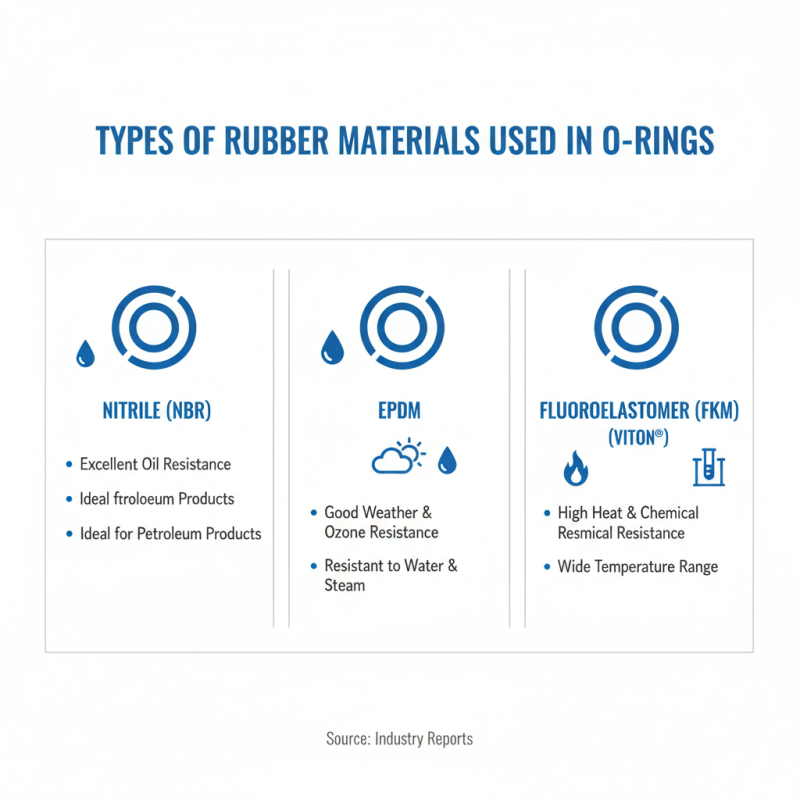
When selecting O-rings, the type of rubber material greatly impacts performance. Various materials offer unique benefits. Common choices include Nitrile (NBR), EPDM, and Fluoroelastomer (FKM). According to industry reports, NBR is favored for its excellent oil resistance. It performs well in applications involving petroleum products.
EPDM, on the other hand, excels in weather resistance and is used in outdoor applications. Its tolerance to extreme temperatures makes it reliable for automotive seals. Each material has different hardness levels, measured by durometer. NBR typically ranges around 70 shore A, while softer materials can be used for sensitive applications.
Tips: When choosing a rubber material, consider the application’s environment. Look at temperature extremes and chemical exposure. Conduct a thorough assessment of the required properties. Not all rubber grades perform equally, which can lead to failures if improperly evaluated.
Fluoroelastomers, known for their exceptional chemical resistance, are ideal for aggressive environments. However, they can be more expensive. Weighing the benefits versus costs is crucial. Balancing performance and budget is often challenging. The right choice ensures longevity and effectiveness in sealing applications.
Always consult detailed specifications or manufacturers' guidelines to avoid unexpected issues. Not considering all factors may lead to improper sealing solutions. This can result in critical component failures, affecting overall system integrity.
Key Factors to Consider When Buying O Rings
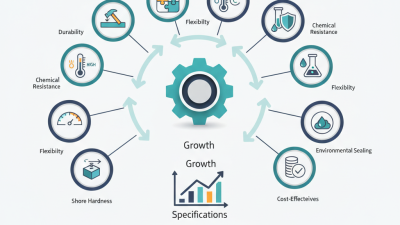
When selecting O-rings, several key factors should guide your decision. Material selection is crucial. Different materials offer varying levels of resistance to chemicals, temperatures, and pressure. Nitrile, for example, is common for oil resistance. Fluorocarbon provides excellent chemical resistance. Consider your application and the environment where the O-ring will be used.
Sizing also plays a vital role in performance. A precise fit prevents leaks. Too tight can cause wear; too loose can cause failure. Understanding the correct measurements is essential. Always double-check the dimensions and tolerances. The durometer or hardness of the O-ring affects its compression and sealing ability.
Lastly, consider the supplier's reliability. Look for manufacturers with a proven track record in the industry. Quality certifications can indicate the company's commitment to standards. However, even reputed suppliers can have inconsistencies. Always ask for samples and test them under real conditions. Doing so can save you significant costs later.
2026 Top Rubber Seal O Ring Buying Guide for Global Buyers
| Dimension (ID x OD x Width) |
Material Type |
Temperature Resistance (°C) |
Pressure Resistance (PSI) |
Durometer Hardness (Shore A) |
| 5mm x 8mm x 1.5mm |
Nitrile Rubber (NBR) |
-40 to 100 |
150 |
70 |
| 10mm x 14mm x 2mm |
Silicone Rubber |
-60 to 200 |
100 |
60 |
| 15mm x 20mm x 3mm |
EPDM Rubber |
-40 to 120 |
200 |
75 |
| 25mm x 30mm x 4mm |
Fluoroelastomer (FKM) |
-20 to 250 |
300 |
80 |
| 40mm x 45mm x 5mm |
Butyl Rubber |
-20 to 100 |
150 |
65 |
Common Applications of Rubber Seal O Rings
Rubber seal O rings are vital components in various industries. They provide a reliable sealing solution in applications ranging from automotive to medical devices. In the automotive industry, O rings are essential for preventing leaks in engines and fuel systems. Their durability ensures that they can withstand harsh conditions and temperature fluctuations.
In the aerospace sector, these O rings play a crucial role in maintaining pressure in hydraulic systems. They must meet strict specifications for safety and reliability. In medical equipment, rubber O rings are used to create airtight seals in devices like syringes and respiratory apparatus. This prevents contamination, ensuring patient safety.
Despite their importance, selecting the right O ring can be challenging. Material choice is critical. Different applications require specific rubbers to withstand chemicals and temperatures. Understanding these needs is not always straightforward. It’s essential for buyers to consider these factors carefully. A misstep can lead to system failures and costly repairs.
Top Suppliers and Manufacturers for Global Buyers
When considering rubber seal O-rings, global buyers must understand the importance of selecting the right suppliers and manufacturers. The global O-ring market is projected to reach $7.96 billion by 2026, with a compound annual growth rate (CAGR) of 5.2%. This data emphasizes the increasing demand for reliable O-rings across various industries, including automotive, aerospace, and industrial machinery.
Buyers should prioritize suppliers with a proven track record in quality and consistency. According to market insights, companies that invest in advanced manufacturing processes demonstrate lower failure rates. This can significantly reduce maintenance costs for end-users. Look for suppliers who provide detailed testing results and certifications as these indicate a commitment to safety and reliability.
Tips: Always evaluate the supplier's production capabilities. Engage in discussions about their material sourcing and testing protocols. Verify customer reviews to ensure transparency. Seek manufacturers who adapt to changing industry standards, as this reflects their dedication to quality and innovation. Being proactive in supplier selection can positively impact product longevity and performance.