Top 10 Applications for Force Sensitive Resistors in Modern Technology
The growing demand for intuitive and adaptive technology has led to remarkable advancements in the field of sensors, particularly in the application of Force-Sensitive Resistors (FSRs). These innovative components, which change resistance in response to applied force, have emerged as crucial elements across various industries. According to a recent market research report, the global sensor market is projected to exceed USD 650 billion by 2026, with force sensors, including FSRs, playing an integral role in this expansion due to their versatility and efficiency.
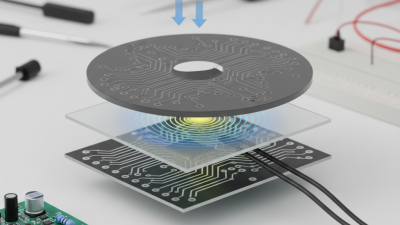
Force-Sensitive Resistors are not only pivotal in consumer electronics but are also increasingly utilized in medical devices, robotics, and automotive applications. A study by industry analysts reveals that the implementation of FSR technology can enhance user interfaces, leading to more interactive products that cater to the user’s tactile feedback requirements. As industries strive for smarter solutions, FSRs help bridge the gap between human input and machine response, enabling the development of products that are not only functional but also user-friendly.
This introduction sets the stage for exploring the top applications of Force-Sensitive Resistors in modern technology, showcasing their extensive capabilities and the promising future they hold within an advancing sensor landscape.

Applications of Force Sensitive Resistors in Consumer Electronics
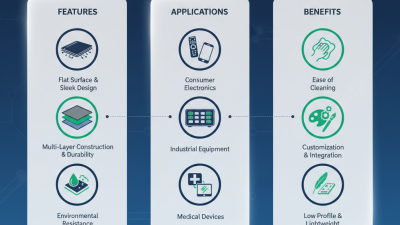
Force Sensitive Resistors (FSRs) are gaining traction in the realm of consumer electronics, thanks to their ability to detect and respond to varying levels of pressure. These versatile sensors are increasingly being integrated into devices such as smartphones, tablets, and wearable technology, enabling a new level of interactivity. According to a recent industry report by MarketsandMarkets, the global force sensors market is projected to reach $3.7 billion by 2026, indicating the growing role of technologies like FSRs in enhancing user experience across various consumer devices.
One notable application of FSRs is in touch-sensitive controls, allowing users to interact with devices through pressure rather than mere touch. This technology not only improves the responsiveness of user interfaces but also extends the functionality of conventional buttons and touchscreens. As noted in a study by Technavio, the shift towards more intuitive and accessible designs in consumer electronics is driving the adoption of such sensors. Moreover, integration in wearable fitness technology has made it possible to monitor user performance through gentle pressure detection, thereby providing valuable feedback during workouts.
Tips: When designing products that utilize FSRs, consider the range of pressure sensitivity required for optimal performance. Additionally, ensure that the integration does not compromise the device’s overall aesthetics or user interface and that it is well-calibrated to respond accurately to varying user interactions. This attention to detail can vastly enhance user satisfaction and product effectiveness in a competitive market.
Top 10 Applications for Force Sensitive Resistors in Modern Technology
| Application |
Description |
Industry |
Key Feature |
| Smartphones |
Used for touch sensitivity and pressure sensing in screens. |
Consumer Electronics |
Responsive Touch Controls |
| Wearable Devices |
Monitors user input and provides feedback based on pressure. |
Health & Fitness |
User Interaction Feedback |
| Gaming Controllers |
Enables pressure-sensitive gameplay elements. |
Entertainment |
Enhanced Gameplay Experience |
| Remote Controls |
Facilitates variable speed or intensity adjustments based on pressure. |
Consumer Electronics |
Variable Control |
| Medical Devices |
Used in devices like patient monitors for handling input. |
Healthcare |
Patient Interaction |
| Robotics |
Enhances tactile feedback and interaction with environments. |
Manufacturing |
Improved Sensory Input |
| Automotive Controls |
Used in steering wheels and pedals for sensitivity adjustments. |
Automotive |
Enhanced Driver Input |
| Home Automation |
Pressure-sensitive switches for controlling lighting and appliances. |
Smart Home |
Ease of Use |
| Industrial Equipment |
Safety and operational controls that rely on pressure feedback. |
Industrial |
Operational Safety |
| Educational Tools |
Interactive devices that respond to touch and pressure in learning environments. |
Education |
Interactive Learning |
Force Sensitive Resistors in Automotive Safety Systems and Controls
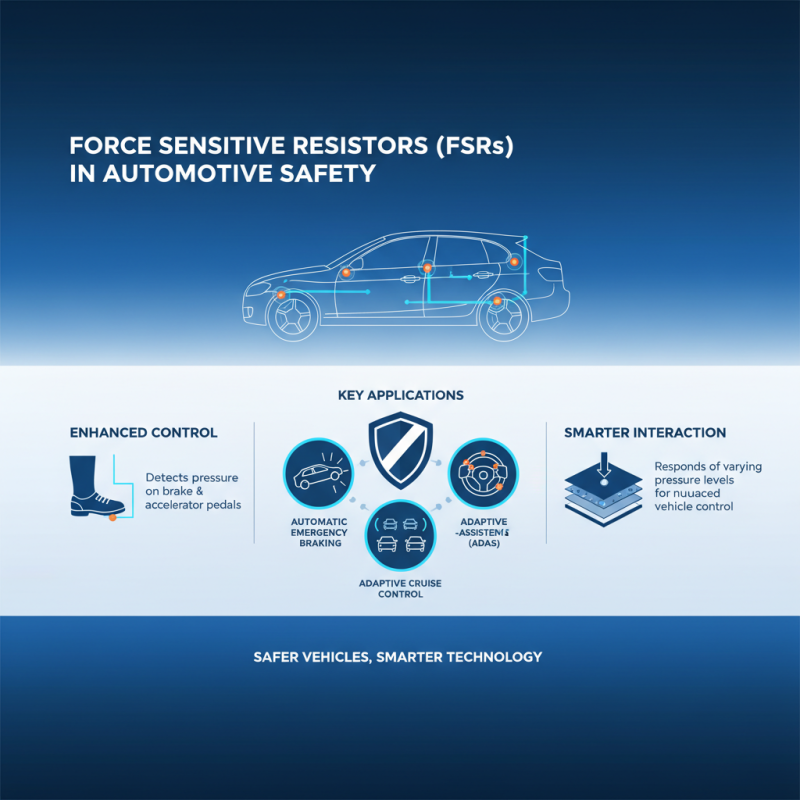
Force Sensitive Resistors (FSRs) are increasingly becoming essential components in automotive safety systems and controls. These devices respond to varying levels of pressure, enabling a more nuanced interaction between the user and the vehicle. For instance, in advanced driver-assistance systems (ADAS), FSRs can detect the presence and pressure of the driver's foot on the brake or accelerator pedal. This capability aids in implementing features such as automatic emergency braking and adaptive cruise control, enhancing overall vehicle safety.
In addition to their role in traditional functionality, FSRs are also pivotal in the development of innovative safety measures within vehicles. They can be integrated into seat belt systems to assess the appropriate tension needed for optimal restraint based on passenger weight or impact force. This ensures that safety mechanisms are tailored to individual user requirements, maximizing protection. Furthermore, FSRs are utilized in collision detection systems, where they can sense sudden changes in pressure during a crash, allowing for immediate adjustment in airbag deployment strategies. The adaptability and responsiveness of Force Sensitive Resistors mark them as a critical technology in the future of automotive safety, facilitating smarter and safer vehicles.
Medical Devices Utilizing Force Sensitive Resistors for Patient Monitoring
Force Sensitive Resistors (FSRs) are increasingly being integrated into medical devices, providing innovative solutions for patient monitoring. These sensors are capable of detecting variations in force or pressure, allowing for real-time assessment of various health parameters. In applications such as weight measurement on hospital beds or pressure mapping in wheelchairs, FSRs facilitate better patient care by enabling healthcare providers to track changes in patient conditions promptly.
When incorporating FSRs into medical devices, it's essential to consider their sensitivity and response time to ensure accurate readings. Calibration of the sensor is also crucial, as it directly impacts the reliability of the data collected. Additionally, employing these sensors in wearable health monitors can empower patients to track their own vital signs, promoting proactive health management.
Tip: Always ensure that FSRs are properly shielded from environmental factors that may affect their performance, such as humidity and temperature changes. Regular maintenance and checks of the sensors can further enhance their longevity and effectiveness in patient monitoring applications.
Force Sensitive Resistors in Robotics for Enhanced User Interaction
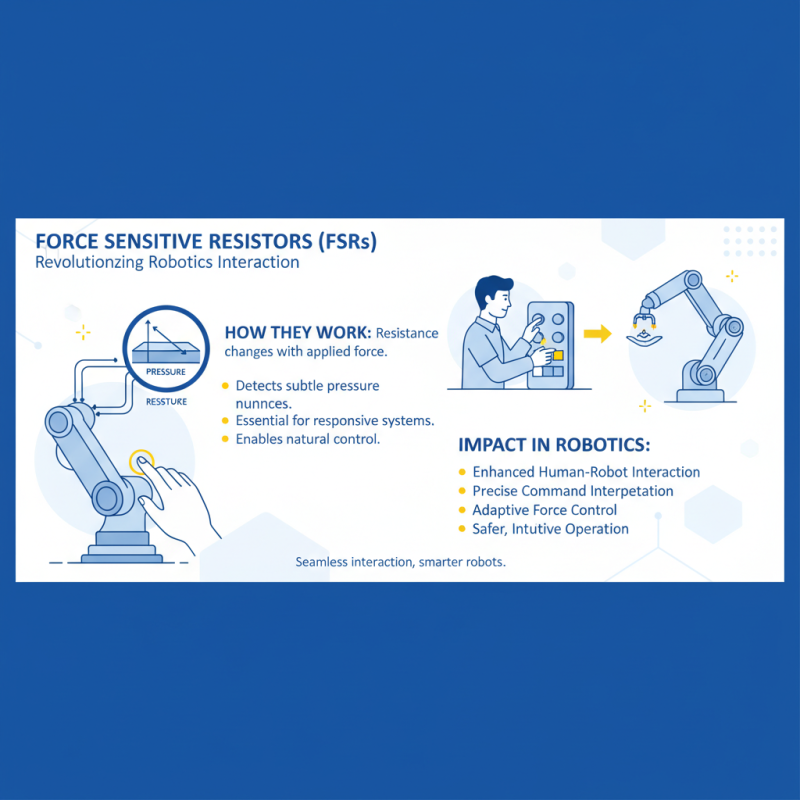
Force Sensitive Resistors (FSRs) are revolutionizing user interaction in robotics by enabling machines to respond to varying levels of applied force. These sensors function by changing their resistance when pressure is applied, allowing robots to detect subtle nuances in user engagement. In robotics, this capability is essential for creating responsive systems that can interpret user commands with greater accuracy, fostering seamless human-robot interactions. For instance, by integrating FSRs into robotic arms, users can control movements with a lighter touch or a firmer grip, promoting a more natural way to interact with technology.
Moreover, FSRs enhance safety and adaptability in collaborative robotics. When combined with advanced algorithms, these sensors can help robots gauge human presence and adjust their actions accordingly. For instance, by monitoring the force exerted by a human operator, a robot can slow down or halt its operations to prevent injury. This level of sensitivity not only improves operational efficiency but also instills confidence in users as they work alongside robotic systems. As technology continues to evolve, the incorporation of FSRs is likely to be a pivotal factor in advancing robotics, making them more intuitive and safer for everyday applications.
Innovations in Wearable Technology with Force Sensitive Resistor Integration
The integration of Force Sensitive Resistors (FSRs) in wearable technology has led to significant innovations, enhancing the functionality and user experience of various devices. These sensors detect changes in resistance as a function of applied force, allowing for greater interaction between the user and the wearable. In fitness trackers and smart clothing, FSRs can monitor vital signs such as heart rate and respiratory patterns by sensing the pressure exerted on the fabric, providing real-time feedback that can be crucial for health management.
Moreover, FSRs are paving the way for intuitive control in smart accessories. For instance, they can be incorporated into gloves for virtual reality applications, enabling users to interact with digital environments through natural gestures. By detecting the amount of pressure applied by the fingers, these sensors can translate movements into actions within the virtual space, creating a seamless user experience. As wearable technology continues to evolve, the applications of FSRs will likely expand, further bridging the gap between physical interactions and digital responsiveness.