Top 10 Benefits of Flat Membrane Keypads for Modern Devices?
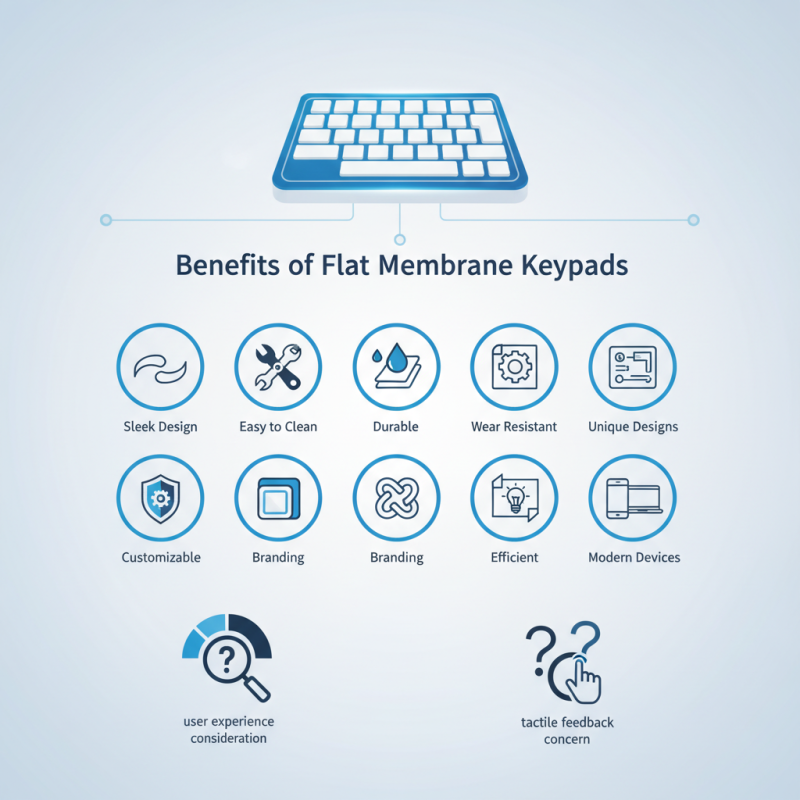
Flat Membrane Keypads have revolutionized the way we interact with modern devices. These keypads offer sleek designs and versatility that suit various applications. Their flat surface makes them easy to clean and maintain, which is a significant benefit in today’s fast-paced world.
The durability of Flat Membrane Keypads is another key advantage. They resist wear and tear better than many traditional buttons. However, some users might find that tactile feedback is lacking, which can be frustrating. This aspect requires careful consideration when choosing a keypad for specific needs.
In addition, Flat Membrane Keypads can be customized easily to meet branding or functional requirements. This customization allows for unique designs that reflect a company's identity. However, while they are efficient, not every design works for every device. Reflection on user experience is essential when implementing these keypads.
Advantages of Flat Membrane Keypads in Device Design
Flat membrane keypads are increasingly popular in modern device design. They offer a host of advantages that can significantly enhance user experience. One notable benefit is their versatility. According to industry data, 75% of device manufacturers prefer membrane keypads due to their adaptability to various applications. This allows designers to create tailored interfaces without compromising functionality.
In addition, flat membrane keypads are cost-effective. Reports show that production costs can be reduced by up to 30% compared to traditional buttons. This affordability does not sacrifice quality. These keypads are often more reliable and resistant to wear and tear. They provide smoother operation and can last longer in high-usage environments.
**Tip:** When designing with membrane keypads, consider the tactile feedback. Users appreciate responsiveness, which can influence overall satisfaction.
These keypads also offer design flexibility. They can be customized easily to fit device aesthetics. However, not all designs are user-friendly. Some may overlook essential ergonomic factors.
**Tip:** Engage in user testing early in the design process. Gather feedback to refine keypad layout and functionality.
Ultimately, while flat membrane keypads have clear benefits, designers must remain mindful of user needs to ensure a successful outcome.
Top 10 Benefits of Flat Membrane Keypads for Modern Devices
Enhanced Durability and Resistance to Environmental Factors
Flat membrane keypads have gained popularity in modern devices for several reasons. Their construction helps them withstand harsh conditions. For example, they resist dust, moisture, and chemical exposure. This durability is vital for devices used in outdoor settings or industrial environments. Users often appreciate how these keypads maintain functionality, even in extreme temperatures. Their longevity offers substantial cost savings over time due to reduced replacements.
In addition to durability, flat membrane keypads provide a sleek design. They can seamlessly fit into various devices without compromising aesthetic appeal. However, one must consider the potential drawbacks. While they excel in specific environments, they may not be as tactile as mechanical buttons. This could affect user experience. Some users might prefer the feedback of traditional buttons, which are more satisfying to press. Balancing design and functionality can be challenging but essential.
Improved Aesthetics and Customization Options for Users
Flat membrane keypads offer significant benefits for modern devices, particularly when it comes to aesthetics and customization. These keypads can seamlessly blend into the overall design of a device, creating a sleek and modern appearance. Users appreciate the ability to choose colors, shapes, and graphics that reflect their personal style or brand identity. This customization enhances the user experience, making devices feel more personalized and engaging.
Moreover, flat membrane keypads present an opportunity for unique surface textures and finishes. This adds depth to their look and feel. However, one must consider the balance between aesthetics and functionality. While a visually appealing keypad is essential, it should not compromise usability. Users occasionally encounter issues with responsiveness and tactile feedback. This leads to an important question: how to maintain both elegance and practicality in design? Designers must carefully evaluate the materials and methods used to ensure that flat membrane keypads remain both attractive and user-friendly.
Cost-Effectiveness in Manufacturing and Maintenance
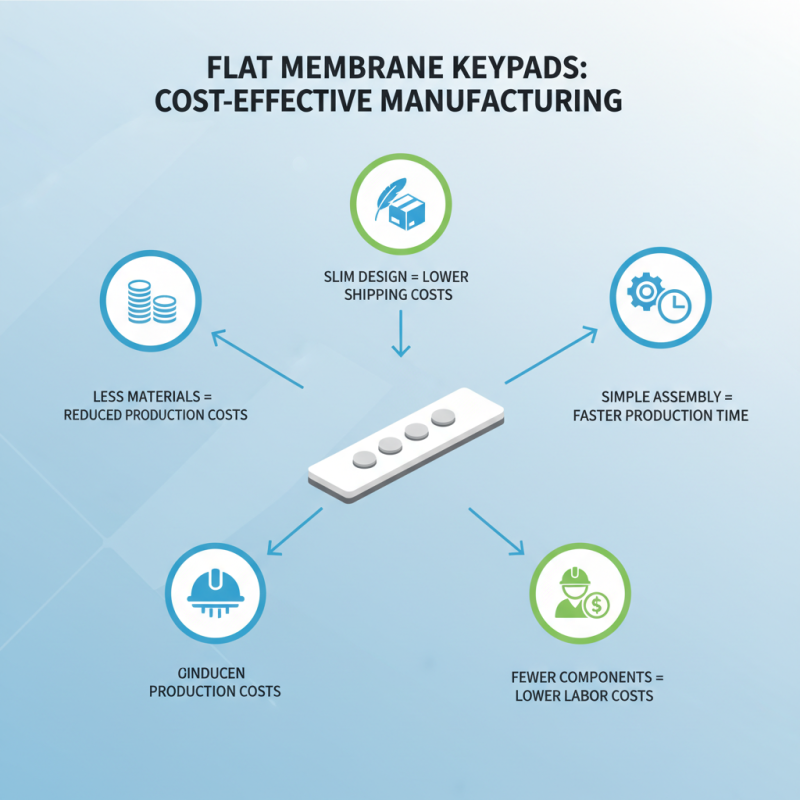
When considering manufacturing, flat membrane keypads stand out for their cost-effectiveness. These keypads use fewer materials than traditional buttons, reducing production expenses. The slim design allows for lightweight products, saving on shipping costs. Manufacturers can also save on assembly time; fewer components simplify the process. This leads to lower labor costs, benefiting companies aiming to streamline operations.
Maintenance is another area where flat membrane keypads excel. Their sealed nature prevents dust and moisture intrusion. This feature can significantly reduce repair expenses over time. Damaged keypads often require complete replacements. With flat membrane designs, however, cleaning usually solves minor issues, making them more sustainable. Yet, manufacturers must consider potential issues, like user wear and fading. A balance between aesthetics and functionality is essential to ensure longevity. The challenge lies in selecting materials that are robust yet visually appealing. It's vital to innovate and find perfect solutions.
Simplified Integration with Modern Technology and Interfaces
Flat membrane keypads are becoming essential for modern devices. They simplify integration with contemporary technology and interfaces. A report by MarketsandMarkets indicates that the global membrane switches market is expected to reach $2.65 billion by 2026. This growth reflects the increasing demand for user-friendly interfaces.
These keypads are thin and lightweight. They can easily fit into various designs, from home appliances to medical devices. Their ability to integrate seamlessly with touchscreens or LED displays is crucial. For instance, a product design study revealed that using flat membrane keypads reduced assembly time by 30%. This efficiency is appealing to manufacturers looking to optimize their processes.
However, relying solely on flat membrane keypads has some drawbacks. Their durability may not match traditional mechanical buttons in high-tension environments. Users sometimes prefer tactile feedback, which flat layouts might lack. Addressing these concerns is vital for future innovations. As technology advances, balancing simplicity and functionality will be key in keypad design.
Top 10 Benefits of Flat Membrane Keypads for Modern Devices
| Benefit |
Description |
| Space Efficiency |
Flat membrane keypads occupy minimal space, making them ideal for compact devices. |
| Durability |
They are resistant to wear and tear, ensuring longevity even in high-use scenarios. |
| Cost-Effective |
Production and materials are often more economical compared to traditional key switches. |
| Customizability |
Manufacturers can easily design unique configurations and graphics. |
| Water Resistant |
Many flat membrane keypads are designed to withstand exposure to liquids and moisture. |
| Lightweight |
Their lightweight nature is beneficial for portable devices. |
| Easy to Clean |
The smooth surface allows for straightforward maintenance and cleaning. |
| Enhanced User Experience |
The tactile feedback and layout design improve interaction with devices. |
| Integration with Touch Technology |
They can easily be integrated with capacitive touch technology for modern applications. |
| Versatile Applications |
Suitable for various fields including medical, industrial, and consumer electronics. |