2026 Best Nitrile O Rings for Industrial Applications and Sealing Solutions?
In the world of industrial applications, durability and reliability are paramount. Nitrile O Rings have emerged as a vital component in sealing solutions. Their ability to withstand harsh conditions makes them popular across various industries. From automotive to aerospace, these rings play a crucial role in preventing leaks and ensuring optimal performance.
Understanding the best Nitrile O Rings for your specific needs requires careful consideration. Not all options are the same. Factors such as temperature resistance, chemical compatibility, and size are critical. Selecting the right O Ring can significantly impact operational efficiency.
As we explore the top choices for 2026, it's essential to reflect on your unique application needs. Evaluating the quality and performance of these products is key. Trustworthy suppliers provide detailed specifications and testing data, ensuring you make informed decisions. In this competitive landscape, optimizing your sealing solutions is not just advantageous; it’s necessary for success.
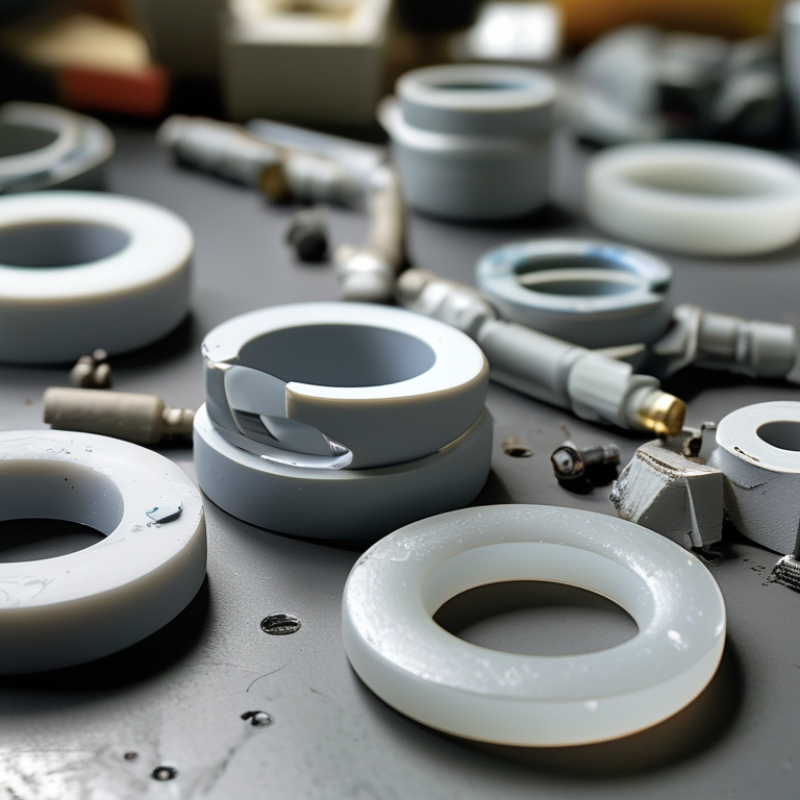
2026 Overview of Nitrile O Rings for Industrial Use
Nitrile O rings are essential components in various industrial applications. They are commonly used for sealing in hydraulic systems, pumps, and machinery. Their ability to withstand oil and fuel makes them invaluable in automotive and aerospace industries. Many manufacturers rely on nitrile O rings for their durability and resilience.
Selecting the right nitrile O ring involves considering several factors. The size and thickness matter greatly. A proper fit ensures effective sealing. However, some users overlook the temperature and pressure ratings. Operating outside these ranges can lead to failure. This can result in costly repairs and downtime.
Not all nitrile O rings are created equal. Variations in quality can affect performance. Users should be cautious when sourcing these rings. Conducting thorough research and choosing reputable suppliers is critical. Testing the rings for compatibility with specific applications is also advisable. Ultimately, understanding these nuances improves reliability and efficiency in industrial settings.
2026 Best Nitrile O Rings for Industrial Applications and Sealing Solutions
| Size (ID x Thickness) |
Material Grade |
Temperature Range (°C) |
Pressure Rating (psi) |
Application |
| 10 mm x 2 mm |
NBR 70 |
-30 to 100 |
150 |
Hydraulic Sealing |
| 15 mm x 3 mm |
NBR 90 |
-20 to 120 |
200 |
Oil Sealing |
| 20 mm x 4 mm |
NBR 80 |
-30 to 90 |
250 |
Pneumatic Applications |
| 25 mm x 5 mm |
NBR 75 |
-40 to 100 |
300 |
General Sealing |
| 30 mm x 2.5 mm |
NBR 85 |
-20 to 120 |
180 |
High-Pressure Systems |
Key Properties and Benefits of Nitrile O Rings
Nitrile O rings are crucial in many industrial applications due to their unique key properties. They are excellent for sealing in environments exposed to oils, fuels, and other liquids. According to the PTFE and Nitrile O Rings Market report, the demand for superior sealing solutions is projected to grow by 5.3% annually through 2026. This highlights the increasing reliance on nitrile as a primary sealing material in numerous sectors.
One of the significant benefits of nitrile O rings is their exceptional resistance to temperature fluctuations and various chemicals. They can function effectively in temperatures ranging from -40°C to 120°C. This versatility makes them suitable for challenging environments, such as automotive and aerospace applications. However, they may not perform well in extreme temperatures beyond their limits. Users must consider this when selecting materials for specific situations.
Additionally, nitrile O rings offer excellent mechanical strength and durability. Their ability to withstand high pressures contributes to longer service life and reduces maintenance needs. A study from the American Society for Testing and Materials highlights that nitrile O rings provide a sealing performance of up to 95% in hydraulic applications. Despite these advantages, improper installation can lead to failures. Awareness of installation techniques is essential to maximize performance and safety in any application.
Applications of Nitrile O Rings in Various Industries
Nitrile O rings are vital components in many industrial applications. Their resistance to oil and temperature makes them perfect for automotive, aerospace, and manufacturing sectors. These seals operate in harsh conditions, ensuring efficiency and safety. In the oil industry, for example, they prevent leaks, which can lead to hazardous situations. Their reliability is crucial in such environments.
In the automotive sector, nitrile O rings are widely used in engines and fuel systems. They create a secure seal that withstands high pressures. However, users should regularly check for wear or damage. This practice can prevent costly repairs or accidents. It's essential to select the
right size and type for each application.
Tip: Always verify compatibility with the fluids they will encounter. Certain chemicals can degrade nitrile material.
Another important application is in HVAC systems. Nitrile O rings ensure proper sealing in compressors and refrigerants. This maximizes efficiency and minimizes energy loss. However, temperature fluctuations can affect performance. Regular maintenance checks are advisable. They help maintain functionality and extend the lifespan of the equipment.
Tip: Keep a stock of
various sizes for timely replacements. This can save time during unexpected breakdowns.
Comparative Analysis of Nitrile O Rings and Other Seal Materials
Nitrile O rings are essential in industrial applications due to their excellent sealing capabilities. Compared to other sealing materials, they have distinct advantages. Nitrile rubber can withstand various chemicals and temperatures. This makes them ideal for many applications, from automotive engines to fluid handling systems.
When choosing a sealing material, consider the specific environment. Nitrile O rings are resistant to petroleum-based oils and greases. However, they may not perform well in extreme heat or certain solvents. Other options, such as silicone or fluorocarbon O rings, may better suit those conditions. Always assess the operational limits of each material.
Tips: Always check compatibility with the substances your O rings will encounter. Periodic inspection of seals can prevent leaks. Additionally, when unsure, consult with a sealing expert for tailored advice. Consider that not all O rings are equal; your application may require a specialized solution for optimal performance.
Best Practices for Selecting and Maintaining Nitrile O Rings
When selecting nitrile O rings for industrial applications, several factors are crucial. The durometer hardness should match your specific sealing requirements. Most industrial applications utilize O rings with a hardness of 70 to 90 Shore A. This range balances flexibility and resistance. A hardness outside this range could lead to premature wear or failure.
Proper maintenance also significantly extends the life of nitrile O rings. Regularly inspect for signs of wear, such as cracks or deformation. Environmental factors, like temperature and exposure to chemicals, can impact performance. Data shows that O rings can degrade faster when exposed to harsh conditions or incompatible substances. Studies highlight that O rings operating in extreme temperatures can lose their sealing capabilities by 30% over time.
Additionally, proper installation is key. Ensure that surfaces are clean and free of debris before fitting. The use of O ring lubricants can enhance the performance and longevity of the seal. While these best practices might seem standard, neglecting them can lead to significant operational failures. Always document your findings and adjustments to improve future maintenance routines.