How to Choose the Best Flat Membrane Keypad for Your Project?
Choosing the right Flat Membrane Keypad for your project is crucial. According to industry expert Dr. Emily Hart, “A well-chosen keypad can elevate user experience significantly.” With several options available, understanding the unique features of each is essential.
Flat Membrane Keypads offer a range of functionalities. They are compact and versatile, making them suitable for various applications. Many designers overlook the importance of tactile feedback. This can affect user interaction and satisfaction. The materials used in these keypads also vary, influencing their durability and aesthetic appeal.
Additionally, it is vital to assess compatibility with existing systems. Ensuring proper integration can be challenging but rewarding. A poorly matched keypad can lead to frustration during usage. Thus, a thoughtful approach in selecting a Flat Membrane Keypad is paramount. Consider not only functionality but also how it aligns with user needs.
Understanding Flat Membrane Keypads and Their Applications
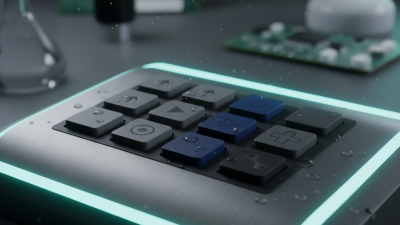
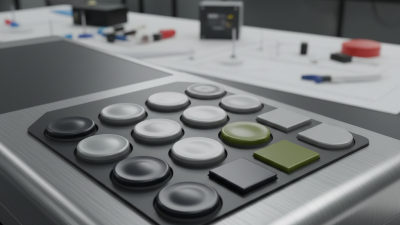
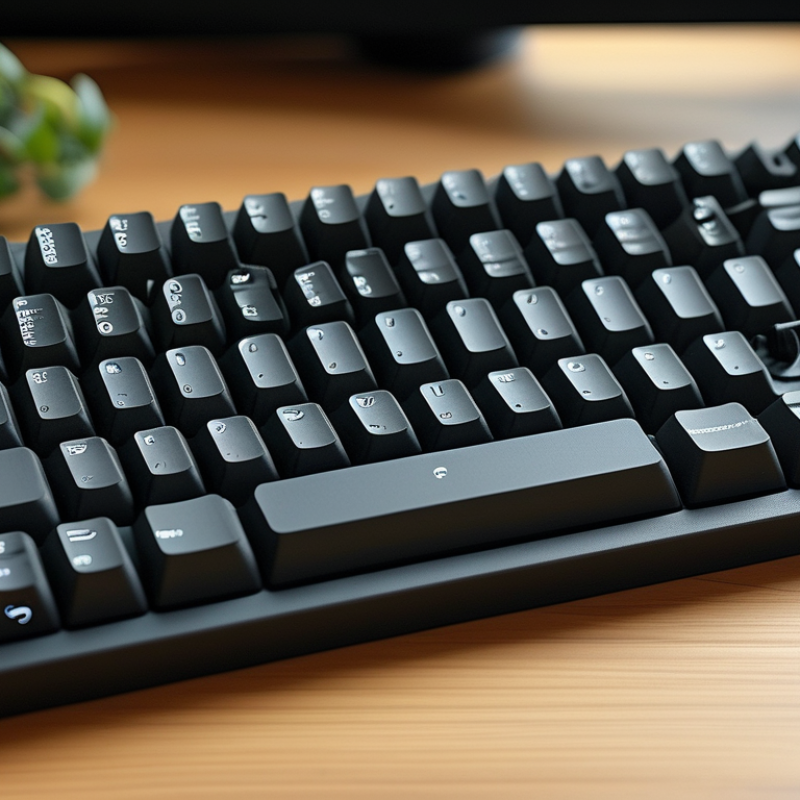
Flat membrane keypads are versatile input devices widely used in various applications. These keypads consist of several layers, typically including a graphic overlay and a flexible circuit. They serve as user interfaces in devices like medical equipment, home appliances, and industrial machines. The thin profile of these keypads is appealing, but their durability can sometimes be an issue. Users should understand the trade-offs in terms of sensitivity, tactile feedback, and environmental resistance.
When considering an application for flat membrane keypads, it is essential to evaluate the specific requirements. For example, a keypad in an outdoor environment might need enhanced protection against moisture and dust. Meanwhile, a medical device may prioritize touch sensitivity and rapid response. Reflecting on past project experiences can aid in recognizing potential flaws. Design choices should account for user comfort and accessibility too.
Customizing features like backlighting, size, and layout can enhance user experience significantly. However, the focus must remain on usability. Testing various configurations before making a final decision is advisable. Users often overlook the importance of robust testing, which can lead to challenges in real-world applications. Being mindful of these aspects can ensure that the best flat membrane keypad is chosen for the project at hand.
How to Choose the Best Flat Membrane Keypad for Your Project?
| Feature |
Description |
Best Use Case |
| Material |
Polyester (PET) or Polycarbonate (PC) |
Durable and weather-resistant environments |
| Switch Type |
Tactile or Non-tactile |
Applications requiring feedback or silent operation |
| Customization Options |
Colors, graphics, backlighting |
Branding and user-specific applications |
| Operating Temperature |
-20°C to 70°C |
Industrial and outdoor use |
| Lifespan |
1-10 million presses |
High-usage environments like kiosks |
| Mounting Options |
Adhesive or snap-fit |
Easy installation and maintenance |
Key Factors to Consider When Selecting a Flat Membrane Keypad
When selecting a flat membrane keypad, several key factors should be taken into account. The durability of the keypad is vital. According to industry reports, keypads should withstand over a million cycles of operation. Materials like polyester or polycarbonate are preferred for their resistance to wear and tear. Consider the operating environment as well; high humidity or extreme temperatures can affect functionality.
Another critical factor is the design and layout. Customization options allow you to create a user-friendly interface. Misalignment in button configurations can cause frustration. Studies show that ease of use significantly impacts user satisfaction. Design should also reflect the intended application, whether for industrial or consumer products.
**Tips:** Keep an eye on tactile feedback. It can enhance user experience. Testing prototypes with real users can highlight potential issues. Be prepared to iterate based on feedback. Also, consider your production timeline. A more complex design may take longer to manufacture, affecting project deadlines. Always weigh these factors carefully to avoid unexpected challenges.
Evaluating Material Options for Durability and Functionality
When selecting a flat membrane keypad,
material choice is crucial for longevity and performance. Various materials, including
polyester and polycarbonate, have distinct properties affecting
durability. Polyester is often favored for its chemical resistance
and UV stability. In contrast, polycarbonate offers
excellent impact resistance. Reports suggest that polycarbonate keypads can endure temperatures
up to 120°C, making them robust in extreme environments.
Additionally, the thickness of the material can influence the keypad's reliability. A typical thickness range is
between 0.5 to 2.0 mm. Thicker panels tend to be more resilient but may feel less tactile.
According to industry data, thin keypads can wear out faster under heavy use. Durability ratings show that
high-quality membrane keypads often surpass 2 million presses. However, the manufacturing
process also affects functionality, as poorly made layers might peel or lose responsiveness.
Environmental factors play a significant role too. Humidity and temperature fluctuations can affect
material performance. For example, keypads that are not rated for outdoor use may degrade quickly under
sunlight. Regular reviews of material properties, combined with field testing,
can help identify the best options. Reflecting on these factors will ultimately lead to better choices in designing reliable, long-lasting keypads.
Designing the Layout: Size, Spacing, and User Experience
When designing a flat membrane keypad, focus on the layout. The size and spacing of each key can greatly influence user experience. Consider the finger size of your target audience. If keys are too small, users may miss their targets. Too large, and the layout might feel cramped. A balanced approach is vital.
Tips: Use a mock-up to test key sizes. Gather feedback from potential users. Adjust based on real experiences.
Spacing is equally important. Adequate distance between keys can reduce errors. However, if the gaps are too wide, it might disrupt the flow. Analyze user habits. Observe how users interact to find the right balance.
Additionally, think about tactile feedback. Some users prefer a slight click when pressing a key. Others may prefer a smooth experience. Offering different options might enhance usability for a broader audience.
Tips: Conduct usability testing. Watch for natural hand movements. Note where users struggle. This information is invaluable for refining your design.
Assessing Technology Compatibility for Various Projects
When embarking on a project that requires a flat membrane keypad, it's crucial to assess technology compatibility. Different projects come with unique requirements and specifications. Understanding the interface and communication protocols is vital. A keypad must seamlessly integrate with your hardware. Consider the operating environment as well. Factors like temperature, moisture, and dust can impact performance.
Evaluate the electrical compatibility too. Some keypads work with varying voltages and signal types. Knowing these details early on can prevent setbacks. It’s also worth considering the tactile feedback and usability. A keypad that feels right can enhance user experience significantly. Think about how users interact with it.
Not all manufacturers provide detailed specifications. That can be a challenge. Always look for detailed documentation or user feedback. Reviews can offer insights into real-world use cases. Compatibility checks often reveal unforeseen issues too. Regularly revisit your compatibility checklist throughout the project. This will ensure your keypad choice remains suitable as your project evolves.