How to Choose the Best RTV Molding Materials for Your Projects?
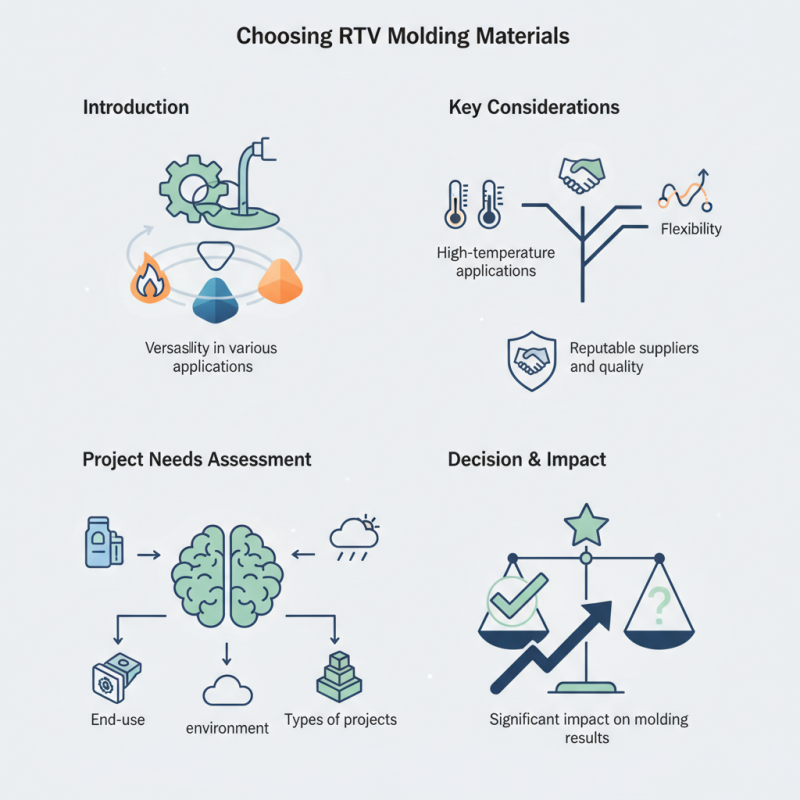
Choosing the right RTV molding materials is crucial for the success of your projects. RTV molding, or room temperature vulcanizing molding, offers versatility in various applications. When selected properly, these materials can enhance the durability and precision of your molds. However, many may overlook the importance of choosing specific materials based on their unique properties.
Navigating the choices available can be daunting. Each RTV molding material has distinct characteristics. For example, some are better suited for high-temperature applications, while others excel in flexibility. It's essential to understand these differences to avoid costly mistakes. Additionally, sourcing from reputable suppliers can provide assurance regarding the quality and reliability of the materials.
Reflecting on your project needs is vital. Consider the end-use of your molds, the environment they will face, and the types of projects you undertake. The decision-making process can feel overwhelming. A well-informed choice can make a significant impact on your molding results. Taking time to evaluate your options is not just beneficial; it’s necessary for achieving success in RTV molding.
Understanding RTV Molding Materials: An Overview
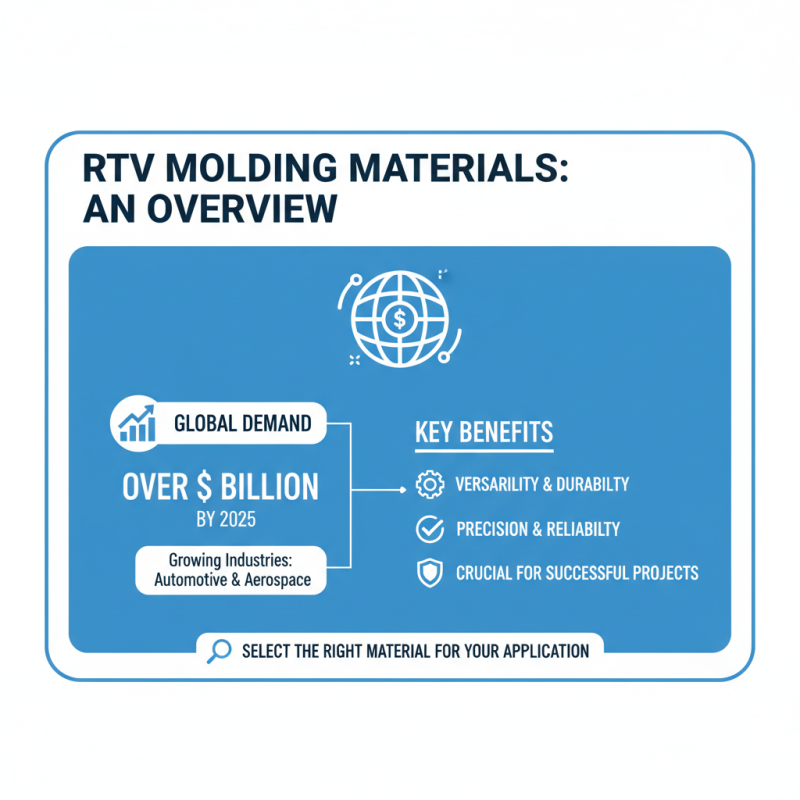
RTV molding materials serve as crucial components in various industries, including automotive and aerospace. Understanding these materials is essential for successful project outcomes. Data from the industry shows that the global demand for RTV silicone is expected to reach over $2 billion by 2025. This growth emphasizes the importance of selecting the right material for specific applications.
There are several types of RTV molding materials to consider. They vary in flexibility, hardness, and curing time. For instance, some materials cure quickly, while others may take hours or even days. A report from the Silicone Alliance reveals that 55% of manufacturers cite material durability as a primary concern when choosing RTV options. This highlights a need for careful evaluation.
Choosing the wrong RTV material can lead to project setbacks. Improper selections may result in flawed molds or wasted resources. A thorough understanding of each material's properties is vital. Don't overlook testing small samples before committing to large batches. Many professionals recommend this approach to avoid costly mistakes.
Key Properties to Consider When Selecting RTV Materials
When selecting RTV molding materials, several key properties should guide your decision. Start with the hardness of the silicone. Softer materials work well for detailed molds, capturing intricate designs effectively. However, they may wear out faster. Consider where durability is essential, as harder options offer better abrasion resistance.
Another essential property is the cure time. Fast-curing RTV materials allow for rapid prototyping. On the other hand, slower-curing ones provide more work time for adjustments. Balance speed with your project's needs.
Tip: Always conduct small test molds to evaluate material performance. This can reveal how colors and details appear in your final product. Check for flaws that might compromise your end result.
Lastly, understand the temperature resistance of your chosen RTV. High-temperature applications require specialized silicone that maintains integrity under heat. Reflect on how the mold functions in different environments. Test new materials for consistency with your existing projects. This step can prevent unexpected issues down the road.
How to Choose the Best RTV Molding Materials for Your Projects?
This bar chart illustrates the key properties to consider when selecting RTV molding materials based on their importance rating for various project applications.
Comparing Different Types of RTV Molding Materials
Choosing the right RTV molding material is crucial for your project’s success. Each type has its unique properties, impacting the final outcome. Silicone rubber, known for its flexibility, is often favored for intricate designs. It cures quickly and allows for fine details. However, it may not withstand high temperatures, which is a limitation in some applications.
Liquid RTV, another option, provides excellent fluidity. This makes it ideal for creating molds with complex geometries. It can capture minute details from the original object. Yet, some users find it challenging to work with because of its varying cure times. It’s essential to balance curing time with desired detail level.
Polyurethane RTV offers a different set of benefits. It is more durable and can withstand greater stress. This type is preferred when durability is a priority. However, it may present adhesion issues unless properly treated. Users should experiment to determine the best combination for their specific tasks. Choosing the best RTV material often involves trial and error. Adjustments may be necessary to achieve the desired results, and this reflection can lead to better outcomes.
Evaluating Cost and Availability of RTV Products
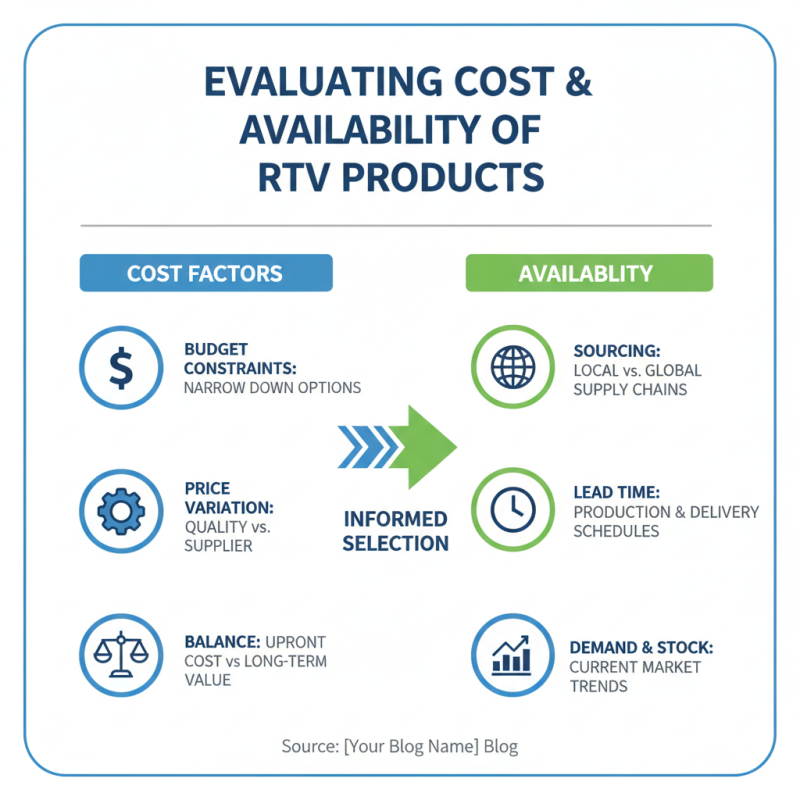
When selecting RTV molding materials, cost and availability are crucial factors. Evaluating budget constraints helps narrow down options. RTV materials can vary significantly in price, influenced by quality and supplier. A high-quality RTV may cost more upfront, yet it often leads to better finished products and fewer failures. A balance is needed to assess whether an investment will pay off in the long run.
Availability adds another layer of complexity. Some materials may be difficult to source locally, leading to delays. Advanced projects could benefit from reliable suppliers with steady inventories. However, international shipping can introduce unpredictability in pricing and lead times. It's essential to consider these aspects thoroughly. Be aware that cheaper options might result in a compromised final product, leading to higher costs overall.
The challenge is to find a middle ground between quality and affordability. It's a common pitfall to overlook the long-term implications when chasing lower prices. A thorough understanding of each project's specific needs will guide you in making more informed decisions. Consider several suppliers and seek recommendations for reliable sources to ensure better outcomes.
Tips for Successful RTV Molding Project Implementation
When embarking on an RTV molding project, preparation is key. Selecting suitable materials dictates the outcome. Choose a silicone rubber that fits your project's needs. Some options provide better detail, while others might be more flexible. Consider your casting environment. Humidity can impact curing time and material performance.
Tips for successful implementation include thoroughly cleaning your patterns. Any debris can affect final details. Ensure all surfaces are smooth and free from contaminants. Pay attention to your mixing process. Inconsistent ratios can lead to poor results. Use precise measuring tools for accuracy.
Also, allow ample curing time. Rushing this step might compromise strength and quality. Monitor the temperature of your workspace as well. Too hot or too cold can alter how the material behaves. Not every mold creation goes flawlessly; learning from mistakes is essential. Analyze errors to improve your techniques for future projects.
How to Choose the Best RTV Molding Materials for Your Projects?
| Material Type |
Hardness (Shore A) |
Cure Time |
Tensile Strength (psi) |
Color |
Applications |
| Silicone RTV |
20-30 |
1-2 hours |
600-800 |
Translucent |
General Molding |
| Polyurethane RTV |
30-50 |
2-4 hours |
800-1200 |
Amber |
High Detail Parts |
| Liquid Silicone Rubber |
10-12 |
12-24 hours |
400-600 |
White |
Medical & Food Grade |
| Tin-Cure Silicone |
25-35 |
6-12 hours |
500-700 |
Gray |
Prototyping |