How to Choose the Right Flat Membrane Keypad for Your Project?
Choosing the right Flat Membrane Keypad for your project requires careful consideration. These keypads are widely used in various applications, from industrial equipment to consumer electronics. Their design is simple yet effective.
Flat Membrane Keypads come in different materials, sizes, and configurations. Understanding these options is essential for making an informed choice. While they are generally easy to install, the selection process can be complicated. You might be tempted to rush, but taking time is crucial.
The durability and responsiveness of these keypads can vary significantly. Consider the environment where they will be used. Will they face moisture or dust? Your answers impact performance. Relying on specific features ensures functionality aligns with project needs. Don't overlook the importance of tactile feedback and aesthetic appeal. These factors can enhance user experience, making your project more successful.
Understanding the Basics of Flat Membrane Keypads
Flat membrane keypads are vital in many electronic devices.
Understanding their basics can significantly improve your project outcomes. These keypads consist of several layers,
including a graphic overlay, a spacer layer, and a circuit layer. The graphic overlay typically features printed icons
for user interaction, while the spacer layer prevents unintended activation.
Choosing the right flat membrane keypad involves considering various factors.
Material selection is crucial. Different materials affect durability and
tactile feedback. Consider the environment where the keypad will be used. If it's exposed to
moisture or dust, you need a more robust design. Conducting user testing can provide insights into functionality.
This practice can uncover potential issues that might not be apparent during initial design.
Despite their advantages, flat membrane keypads face challenges in certain conditions. For instance, extreme temperatures
can affect their performance. Additionally, not all users may find them intuitive. This feedback is essential for refining
your design. Regularly assess user interactions and make adjustments as necessary. This iterative process can lead to
a superior product that aligns with users' needs.
Key Factors to Consider When Choosing a Membrane Keypad
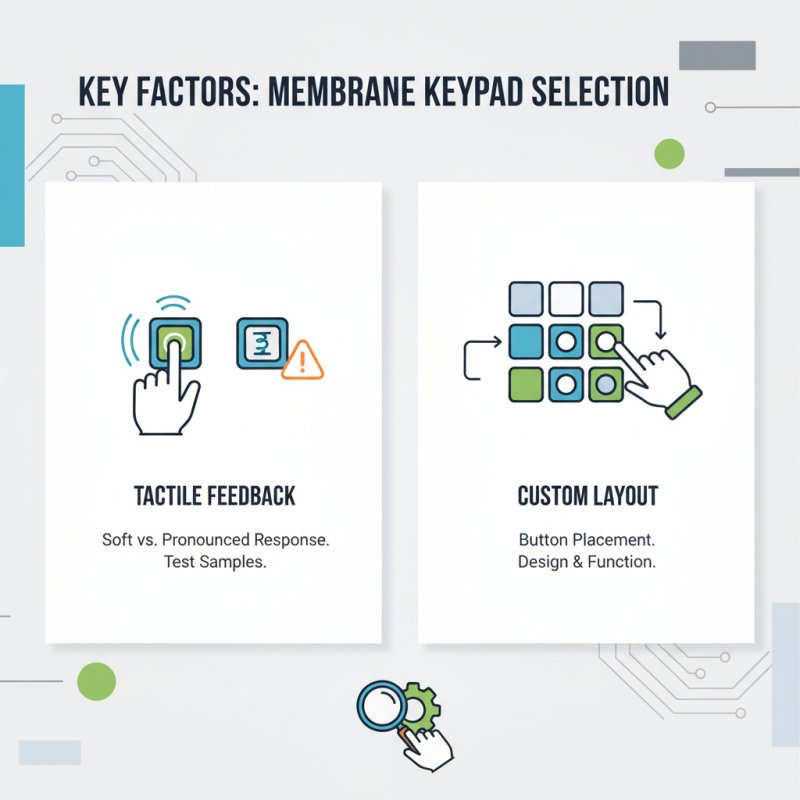
When selecting a flat membrane keypad for your project, several factors come into play. One key consideration is the tactile feedback. Some users prefer a soft-touch feel, while others want a more pronounced response. Testing samples can help you evaluate user preferences. The layout is another critical aspect. Customizing button placement ensures the keypad fits your design and functionality requirements.
Another factor is environmental resilience. Membrane keypads can be exposed to various conditions, such as moisture and dust. Choosing materials that withstand these elements is essential. Consider how the keypad will be used. For instance, applications in medical devices require higher durability and cleanliness standards.
Finally, think about the assembly process. Some keypads allow for easy installation, while others may require specialized tools. This can affect your overall project timeline. Reflections on your design requirements can lead to better outcomes. Balancing aesthetics and performance is not always straightforward. Each project offers unique challenges that require careful thought.
Material and Design Options for Flat Membrane Keypads
When choosing a flat membrane keypad, material and design options play a crucial role. The primary materials include polyester, polycarbonate, and vinyl. Polyester is durable and resistant to moisture. It offers a long lifespan for various applications. Polycarbonate, on the other hand, is known for its high impact resistance. This makes it a suitable choice for rugged environments. Vinyl provides a cost-effective alternative but may not last as long as the others.
Design also impacts functionality. In terms of aesthetics, colors and textures can enhance user experience. Backlighting options improve visibility in low-light settings. However, adding too many features or colors might complicate the user interface. Consider the end-user's interaction with the keypad. Clarity and simplicity should guide the design process.
Choosing materials and design elements requires a thoughtful approach. While it's important to focus on durability, don’t overlook user comfort. Test prototypes with users. Gather feedback for improvement. Sometimes, a perfect design exists in theory but falls short in practice. This iterative process can refine your final product.
Evaluating Compatibility with Your Project's Technology
Choosing the right flat membrane keypad requires careful consideration of compatibility with your project's technology. This compatibility ensures seamless integration and optimal performance. Assessing the communication protocol is crucial. Will you be using I2C, SPI, or something else? Each protocol has different requirements. Understanding these can prevent future headaches.
Consider the environmental factors as well. Flat membrane keypads are often exposed to humidity, dust, and varying temperatures. Ensure that the chosen keypad can withstand these conditions. A keypad that fails to endure environmental stress may lead to device malfunction. You might overlook this detail in the initial selection.
Next, think about the power requirements. Some keypads consume more power than others. This impacts battery life in portable devices. Finding a balance between power consumption and functionality is essential. Sometimes, a feature-rich keypad can drain resources rapidly. Reflecting on these elements will help you make a well-informed decision.
Tips for Sourcing and Purchasing Quality Membrane Keypads
When sourcing and purchasing quality flat membrane keypads, start by defining your project's requirements. Consider the application environment. Will the keypad face exposure to moisture, dust, or chemicals? Understanding these factors helps to choose materials that will endure.
Quality is essential. Look for manufacturers that provide robust data on material specifications and durability tests. Request samples to evaluate the tactile feedback and overall functionality. Having physical examples allows for better judgment.
Pricing is vital, but it shouldn't be the only aspect. Cheaper keypads might compromise quality. Sometimes, paying a little more ensures better longevity. Reflect on past sourcing experiences. Did you prioritize cost over quality? This could lead to future issues. Take the time to research and communicate directly with suppliers. This builds trust and ensures a quality partnership.
Membrane Keypad Material Preference Analysis