Why Choose Rubber Oil Seals for Industrial Use?
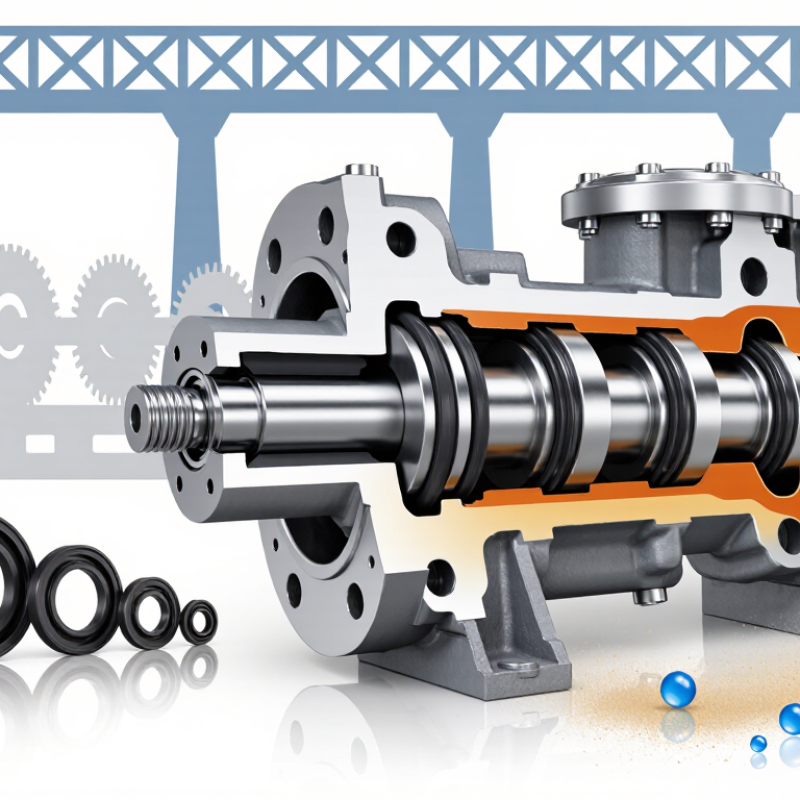
Rubber Oil Seals may be small, but their role in industrial equipment is hard to overlook. They help retain lubricants and keep dust, moisture, and other contaminants away from moving parts. In a pump housing, for example, a correctly selected seal can help prevent oil from creeping along a rotating shaft. That matters on the factory floor, where a leak can mean cleanup, downtime, and extra maintenance.
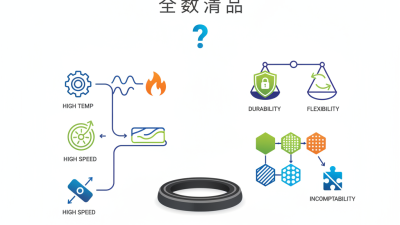
Material choice is not a detail to leave until the end. Rubber compounds differ in their resistance to heat, oil chemistry, pressure, and shaft movement. Nitrile rubber is often considered for common petroleum oils, while other operating conditions may require a different compound. Fit matters too. A seal that is too tight can wear quickly; one that is too loose may leak. Small differences count.
As a practical design principle: “Match the seal material to the fluid, temperature, and motion—not just the shaft size.” This is original guidance, not a verified quotation from a named industry expert. A qualified seal engineer or supplier can confirm the right specification for a particular machine. That check is worth making. No single Rubber Oil Seals solution suits every application, and even a sound selection can fail if installation is rough or the shaft surface is damaged. The details deserve a second look.
Rubber Oil Seal Basics: ISO 3601 Dimensions and Material Standards
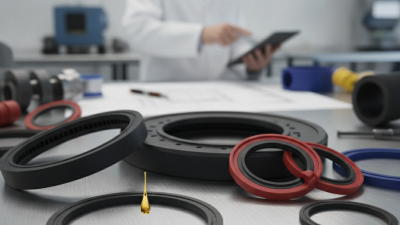
Rubber oil seals keep lubricant inside rotating equipment while limiting dust and moisture entry. Their dimensions matter. A seal that is too tight can overheat; one that is too loose may leak. Measure the shaft diameter, housing bore, and available width before choosing a replacement.
ISO 3601 covers O-ring dimensions and related requirements, not the full design of every rotary shaft oil seal. Its dimensions can help when an assembly uses O-rings, but they should not be treated as a direct sizing rule for a shaft seal. Check the equipment drawing and the seal maker’s dimensional data. Small differences in bore or shaft finish can affect fit and leakage.
Material selection needs equal care. ISO 3601-5 addresses elastomer suitability for industrial applications, while the right compound still depends on temperature, lubricant, speed, and exposure. Nitrile rubber often suits common mineral oils; fluoroelastomers may tolerate higher heat or some aggressive fluids. Confirm compatibility with the actual lubricant, not just its product category. Then verify hardness, temperature limits, and specified tolerances. Real systems vary, and a standard alone cannot predict every failure.
Performance Factors: Shaft Speeds Up to 30 m/s and Wear Resistance
Why Choose Rubber Oil Seals for Industrial Use?
Performance Factors: Shaft Speeds Up to 30 m/s and Wear Resistance
Rubber oil seals can support rotating shafts reaching speeds of up to 30 m/s in suitable designs. That figure is not a universal rating. Actual performance depends on seal geometry, rubber compound, shaft finish, lubrication, temperature, and pressure. At high speeds, friction generates heat, so a seal that performs well in a test setup may struggle in a hot, poorly lubricated machine. Small details matter. A smooth shaft and correct installation help reduce lip wear and leakage.
Wear resistance also depends on the working environment. Dust, abrasive particles, chemical exposure, and repeated temperature changes can shorten seal life. Choose a compound compatible with the fluid and operating conditions, then check the manufacturer’s technical data for speed and temperature limits. Inspect the shaft for scoring or burrs before fitting; even minor surface damage can wear the sealing lip. No seal is maintenance-proof.
Tips: Keep the sealing lip clean during installation, and avoid dragging it over sharp edges. Confirm shaft speed under actual operating loads, not just the machine’s rated maximum. If wear appears early, review lubrication and shaft condition before assuming the seal itself is unsuitable.
Industrial Applications: Motors, Gearboxes, Pumps, and Hydraulic Systems
Why Choose Rubber Oil Seals for Industrial Use?
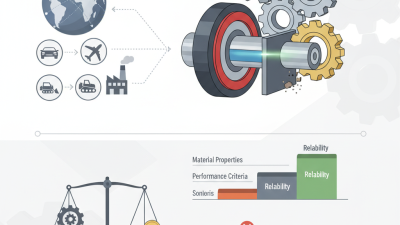
Industrial systems need sealing that tolerates heat, oil, vibration, and continuous motion. Rubber oil seals support these demands in motors, gearboxes, pumps, and hydraulic systems. The IEA’s Energy Efficiency 2023 report states that industry consumed about 37% of global final energy in 2022. Small leakage can therefore increase maintenance work and energy waste. In electric motors, a correctly fitted seal helps protect bearings from dust and grease loss. In gearboxes, it retains lubricant around rotating shafts. Pumps also benefit from reduced fluid escape near shaft interfaces.
Hydraulic systems create tougher conditions. Pressure changes, contaminated fluid, and temperature spikes can damage unsuitable rubber compounds. Material selection must match the fluid, operating temperature, shaft speed, and pressure range. The U.S. Department of Energy reports that motor-driven equipment uses roughly 23% of U.S. electricity. Better sealing cannot solve every efficiency problem, but it can prevent avoidable friction, contamination, and lubricant loss. In field work, I have seen seals fail after careful design. The cause was often a scratched shaft or poor installation, not the rubber itself.
Tips: Measure the shaft before ordering. Check hardness and compound compatibility. Keep the seal lip clean during fitting. A thin installation sleeve can prevent cuts. Inspect for heat marks, hardening, and leakage during routine maintenance. Do not treat every black rubber seal as interchangeable. That shortcut looks efficient, but it often creates repeat failures.
Why Choose Rubber Oil Seals for Industrial Use?
Rubber oil seals are widely used in motors, gearboxes, pumps, and hydraulic systems because they help retain lubricants and protect rotating components from dust, moisture, and other contaminants. The chart shows representative shaft-speed ranges commonly encountered in these industrial applications.
Actual operating conditions depend on equipment design, lubricant, temperature, pressure, shaft finish, and seal material. Selecting the correct rubber compound and seal geometry is essential for reliable service life.