How to Choose the Right Elastomer Keypad for Your Device?
Choosing the right elastomer keypad for your device is crucial. The right keypad can enhance usability and improve user experience. Elastomer keypads are popular for their durability and versatility. They provide tactile feedback and are resistant to environmental factors.
When selecting an elastomer keypad, consider your device's specific needs. Think about size, shape, and functionality. Each keypad design can impact its efficiency. It's essential to evaluate your device's requirements carefully. Manufacturer experience often plays a vital role in quality assurance. Reliable sources can guide your selection process.
Be wary of common pitfalls, like overlooking material quality. Not every elastomer option is suitable for every environment. Assessing compatibility with your device can save future headaches. A well-chosen elastomer keypad should align with design aesthetics and operational demands. This decision could define your device’s success and user satisfaction.

Factors to Consider When Selecting Elastomer Keypads for Devices
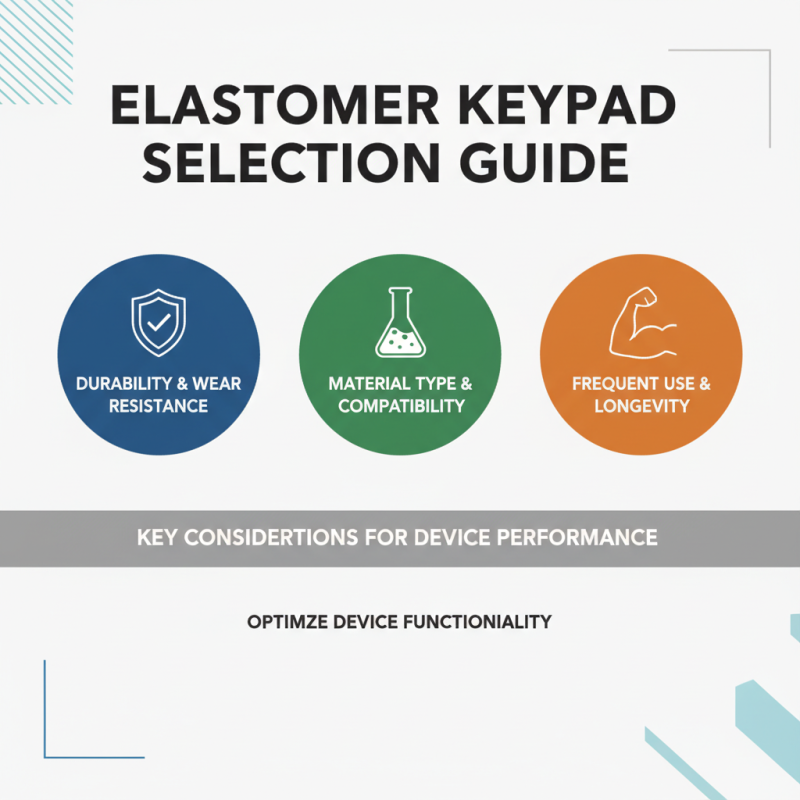
Choosing the right elastomer keypad for your device involves several crucial factors. Material type is essential. You should consider how the material will hold up against wear and tear. Different elastomers have varying levels of durability. A keypad must endure frequent use without losing functionality.
Another factor to weigh is the environmental conditions. Will the keypad be exposed to moisture or extreme temperatures? Some elastomers perform better in certain environments. Understanding these conditions can help you avoid future failures. Testing different prototypes is recommended; sometimes, a seemingly perfect option may not perform well.
Finally, aesthetics play a role. The appearance of the keypad can influence user experience. Color, texture, and feedback are important. A slightly imperfect design might even evoke a sense of authenticity. Balancing function and form can challenge designers but leads to better user satisfaction when done thoughtfully.
Material Properties: Understanding Different Elastomer Types and Their Benefits
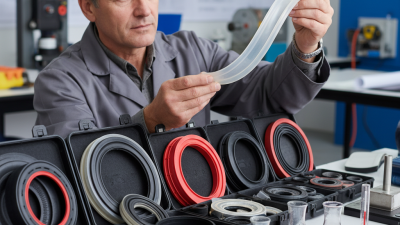
When selecting an elastomer keypad for your device, understanding the properties of different elastomer materials is crucial. Silicone is popular for its durability and flexibility. It can withstand extreme temperatures, making it ideal for various environments. Another option, rubber, offers good traction and tactile feedback. However, its lifespan may be shorter than silicone. TPE (Thermoplastic Elastomer) combines the flexibility of rubber and the toughness of plastic, giving versatile performance.
Tips: Consider the intended use. For outdoor devices, choose materials resistant to UV radiation. If your device requires frequent pressing, prioritize elastomers that deliver strong tactile response. Evaluate the feel and responsiveness of each type.
Adaptability is essential. Some elastomers are better for specific applications. For instance, medical devices often use biocompatible materials. However, you must assess if they also provide the touch sensitivity your device requires. Not all elastomers behave similarly under stress. Testing can reveal performance limits, which may not be apparent initially.
Material Properties of Different Elastomer Types for Keypads
This bar chart illustrates the hardness (Shore A) of various elastomer types used in keypad manufacturing. Understanding the hardness of these materials can help in choosing the right elastomer for device applications.
Durability and Lifespan: Evaluating Resistance to Wear and Environmental Stress
When choosing an elastomer keypad, assessing durability is crucial. The lifespan is largely determined by its resistance to wear and environmental stress. According to industry reports, elastomer keypads frequently encounter variable conditions, including temperature fluctuations, humidity, and exposure to chemicals. These factors can lead to degradation over time.
Research shows that materials like silicone and rubber often experience the most strain. For instance, certain silicone compounds have demonstrated impressive resilience, lasting up to 1 million key presses in rigorous testing scenarios. However, not all elastomers are created equal. Some may crack or lose their tactile properties when exposed to ultraviolet light or extreme temperatures.
Made from various elastomers, keypads can react differently to everyday use. This complexity means that the design process must prioritize specific environmental conditions. For example, a keypad used in an industrial setting may require different properties than one designed for consumer electronics. Understanding these nuances can enhance both product reliability and user satisfaction.
Customization Options: Tailoring Design Features to Meet Specific Device Needs
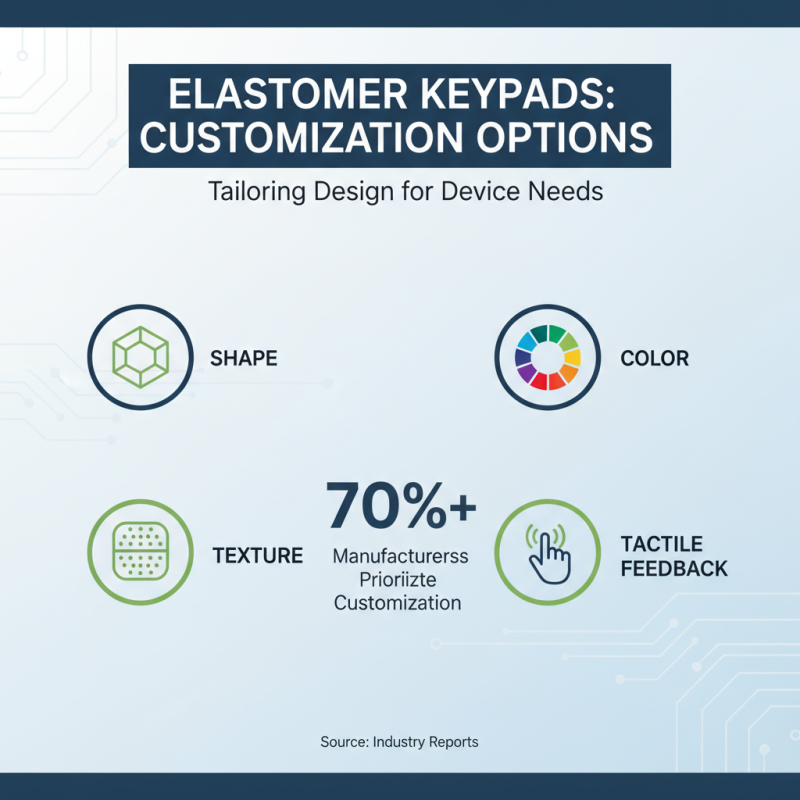
When selecting an elastomer keypad, customization options play a crucial role. Tailoring design features can significantly enhance functionality. According to industry reports, over 70% of manufacturers prioritize customizable attributes in product development. These features include shape, texture, color, and tactile feedback.
Texture can influence user experience greatly. A smooth surface may suit devices requiring sleek aesthetics, while a textured finish could provide better grip and durability. Research indicates that 60% of users prefer a tactile response from keypads. This preference highlights the importance of customizing key feedback to align with user expectations.
Color choices can differ widely based on the target audience. For instance, medical devices often benefit from neutral colors to maintain professionalism. In contrast, consumer electronics might incorporate vibrant colors to attract attention. Reports suggest that 65% of consumers associate specific colors with quality and functionality.
Ultimately, while customization enhances usability, there can be challenges. Balancing aesthetics with functionality is crucial. Design missteps can lead to negative user experiences, stressing the need for rigorous testing and evaluation. Understanding these dynamics is essential for selecting the right elastomer keypad for any device.
Manufacturing Processes: Best Practices for High-Quality Elastomer Keypads
Elastomer keypads are essential for many devices. Choosing the right manufacturing process impacts quality significantly. Various methods exist, but some practices stand out for producing high-quality keypads.
Injection molding is common in elastomer keypad production. This method ensures uniform thickness and minimizes defects. However, careful attention is needed during the cooling phase. If not managed properly, warping can occur, affecting the keypad's functionality.
Tips: Regular maintenance of the molds is crucial. Clean molds frequently to avoid contamination. This helps maintain the integrity of the keypad. It's important to test prototypes before mass production. Testing identifies potential issues early in the process.
Compression molding is another effective method. It can handle thicker materials well but requires precise temperature control. Too high a temperature can damage the elastomer. Also, consider the curing time carefully; it influences the final product's durability.
Tips: Always document changes in the production process. This practice helps track how alterations affect quality. Collaborate with experienced engineers during design phases for better insights. Their expertise can guide effective adjustments, leading to enhanced product performance.
How to Choose the Right Elastomer Keypad for Your Device?
| Parameter |
Description |
Importance |
| Material |
The type of elastomer used can affect durability, flexibility, and touch sensitivity. |
High |
| Hardness |
Measured in shore A, influences feel and performance under varying temperatures. |
Medium |
| Compression Set |
Ability of a material to recover its shape after being compressed. |
High |
| Environmental Resistance |
Resistance to UV, ozone, water, and chemicals affects longevity. |
High |
| Size and Shape |
Custom shapes or sizes are necessary for specific device compatibility. |
High |
| Operating Temperature Range |
Temperature range should match the intended application environment. |
Medium |