10 Essential Tips for Choosing Nitrile Rubber Gaskets?
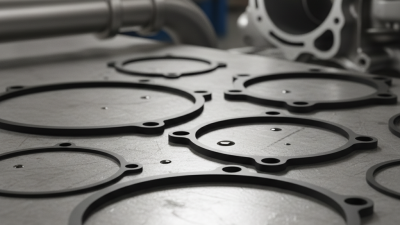
Choosing the right Nitrile Rubber Gasket can significantly impact the performance of your application. John Smith, a leading expert in gasket materials, emphasizes, "Selecting the correct gasket material is crucial for achieving optimal seal performance." Nitrile rubber gaskets are renowned for their versatility and durability, making them suitable for various industries, from automotive to aerospace.
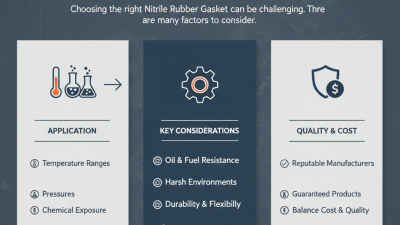
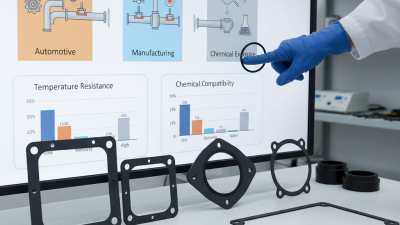
When considering a Nitrile Rubber Gasket, several vital factors come into play. The temperature range and chemical compatibility are essential aspects. Nitrile gaskets excel in resisting oil and fuel, but their performance can vary under extreme conditions. Thus, it is imperative to assess your specific needs carefully. An improperly chosen gasket may lead to leaks or failures, which can be costly.
Many overlook the importance of precise sizing. A gasket that's too large or too small will not create a proper seal. This oversight can impact your system's efficiency. Therefore, understanding the application environment and seeking expert advice can help in making informed decisions. Remember, spending time on research now can save trouble later.
Understanding Nitrile Rubber Gaskets: Composition and Properties
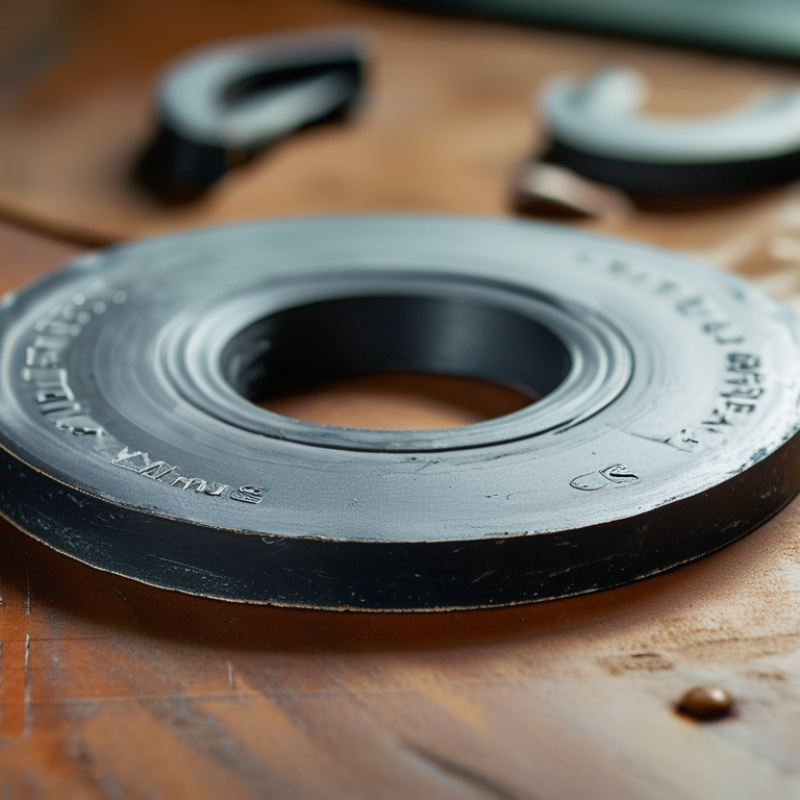
Nitrile rubber gaskets are essential in many industries. Their unique composition allows them to withstand various oils and chemicals. Nitrile rubber, a copolymer of acrylonitrile and butadiene, offers excellent resistance to petroleum-based fluids. This feature is backed by research from the Rubber Manufacturers Association, indicating that Nitrile rubber can endure temperatures from -40°F to 250°F.
When selecting nitrile rubber gaskets, consider their hardness. The durometer rating indicates how the material will perform under pressure. A rating between 70 and 90 Shore A is often ideal for sealing applications. Check for certification from recognized organizations. This assures you that the material meets industry standards for safety and performance.
Tip: Always review the chemical compatibility data for your specific application. Not all nitrile materials behave the same way under various conditions. It’s crucial to choose the right formulation to prevent unexpected failures.
Another important aspect is the thickness of the gasket. Thicker gaskets tend to provide better sealing but may also require more force to compress. Ensure the chosen thickness aligns with your equipment requirements. Ignoring these details can lead to leaks or malfunctions over time. Balancing these factors is key for reliable performance.
Key Industry Applications for Nitrile Rubber Gaskets: A Detailed Overview
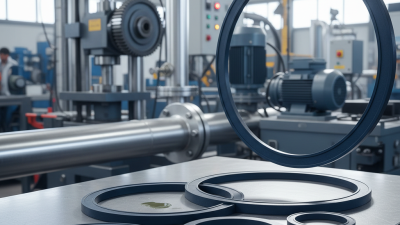
Nitrile rubber gaskets are crucial in various industries, including automotive, aerospace, and manufacturing. They excel in environments that require resistance to oils and fuels. These gaskets provide an excellent seal, preventing leaks and ensuring safety in machinery. Their durability makes them ideal for high-pressure applications, where failure is not an option.
In the automotive sector, nitrile rubber gaskets are widely used in engine components and fuel systems. They resist thermal degradation, ensuring they perform under extreme conditions. In the aerospace industry, their reliability is equally important. A small leak can lead to catastrophic failure. Thus, engineers often choose these gaskets for their critical applications.
However, not every application suits nitrile rubber. The material can struggle in high-temperature environments or when exposed to certain chemicals. Professionals must carefully evaluate application requirements. Inadequate assessments can lead to gasket failure and significant costs. Understanding the limitations of nitrile rubber gaskets is essential for long-term success.
10 Essential Tips for Choosing Nitrile Rubber Gaskets
| Tip |
Description |
Applications |
| 1. Consider the Temperature Range |
Select gaskets that can withstand the operating temperature of your environment. |
Automotive, Oil & Gas |
| 2. Evaluate the Chemical Compatibility |
Ensure the gasket material is resistant to the chemicals it will contact. |
Chemical Processing, Food & Beverage |
| 3. Assess Material Thickness |
Thickness impacts sealing performance and compression resistance. |
Manufacturing, HVAC |
| 4. Check for Hardness and Density |
Different hardness levels affect the seal's compressibility and durability. |
Automotive, Marine |
| 5. Understand the Pressure Requirements |
Ensure the gasket can handle the operating pressure of the application. |
Hydraulics, Pneumatics |
| 6. Inspect Surface Finish |
Surface finish quality affects the sealing surface's effectiveness. |
Oil & Gas, Aerospace |
| 7. Evaluate Installation Requirements |
Consider the ease of installation and any special tools required. |
Manufacturing, Construction |
| 8. Research Manufacturer Reputation |
Choose reputable manufacturers with proven quality standards. |
All Industries |
| 9. Consider Environmental Factors |
Take into account exposure to weather and UV radiation. |
Construction, Offshore |
| 10. Compare Costs vs. Quality |
Balance budget with the need for high-quality materials. |
All Industries |
Factors Affecting Performance: Temperature and Chemical Resistance Ratings
Choosing nitrile rubber gaskets can be daunting. One of the primary factors is temperature resistance. Nitrile rubber can endure a range of temperatures, making it suitable for various applications. However, exceeding these limits can lead to performance issues. Always check the temperature ratings specified for the gasket material.
Chemical resistance is another critical aspect. Different nitrile formulations resist specific chemicals more effectively. When selecting gaskets, consult material safety data sheets (MSDS). They provide detailed insights into chemical compatibility. This information can save you from costly mistakes.
Tip: Always conduct a practical evaluation of gaskets in your specific environment. Real-world conditions can differ from lab tests. Testing gaskets in their application helps identify potential weaknesses. The reliability of your system depends on these crucial evaluations. Engage with industry experts with hands-on experience for guidance. Their insights add valuable context to your decision-making process.
Selecting the Right Nitrile Rubber Gasket Size: Importance of Precision
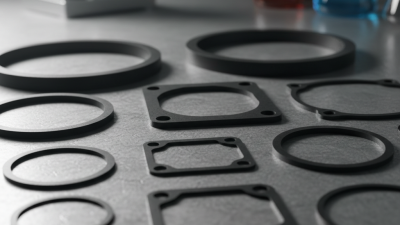
When it comes to selecting nitrile rubber gaskets, size precision is crucial. An improperly sized gasket can lead to leaks, inefficiencies, and increased maintenance costs. It’s vital to measure your application space accurately. Take your time to consider the diameter and thickness required. A small error can have significant consequences.
Often, users underestimate the impact of tolerances. Gaskets should fit snugly without excessive compression. If the fit is too loose, the gasket won’t provide an adequate seal. If too tight, it may get damaged. Many people overlook these details, assuming one size fits all. However, each application demands specific dimensions.
Another point to consider is the operating environment. The gasket must withstand temperature changes and chemical exposure. This adds another layer of complexity when determining size. Engaging with experts can provide guidance, yet personal diligence is essential. The right fit isn’t just about the measurements, but understanding how those measurements interact in real-life scenarios.
Cost Analysis: Comparing Nitrile Rubber Gaskets with Other Materials
When comparing nitrile rubber gaskets to other materials, cost is a significant factor. Nitrile rubber often offers a competitive price point. This makes it attractive for various applications, from automotive to industrial uses. However, the overall value extends beyond initial costs. Nitrile gaskets provide excellent oil and chemical resistance, which can lead to fewer replacements over time.
Other materials, like silicone or neoprene, may have higher upfront costs but could offer different benefits. For instance, silicone gaskets can handle extreme temperatures better. Neoprene might excel in specific weather resistance conditions. Evaluating the long-term savings is crucial. Consider potential maintenance costs and product lifespan in your calculations.
It’s also essential to assess your unique requirements. Sometimes, a cheaper gasket may not be the best option. Think about the environment, application, and performance needed. Occasionally, businesses overlook these aspects, focusing only on the price tag. A poor choice can lead to leaks and costly downtimes. Balancing cost with performance ensures a more reliable and effective solution.
Cost Analysis: Comparing Nitrile Rubber Gaskets with Other Materials