10 Essential Tips for Mastering Rtv Molding Techniques?
Rtv molding has become a vital technique in various manufacturing processes. It allows for the creation of complex shapes and detailed designs. However, mastering Rtv molding requires attention to detail and practice.
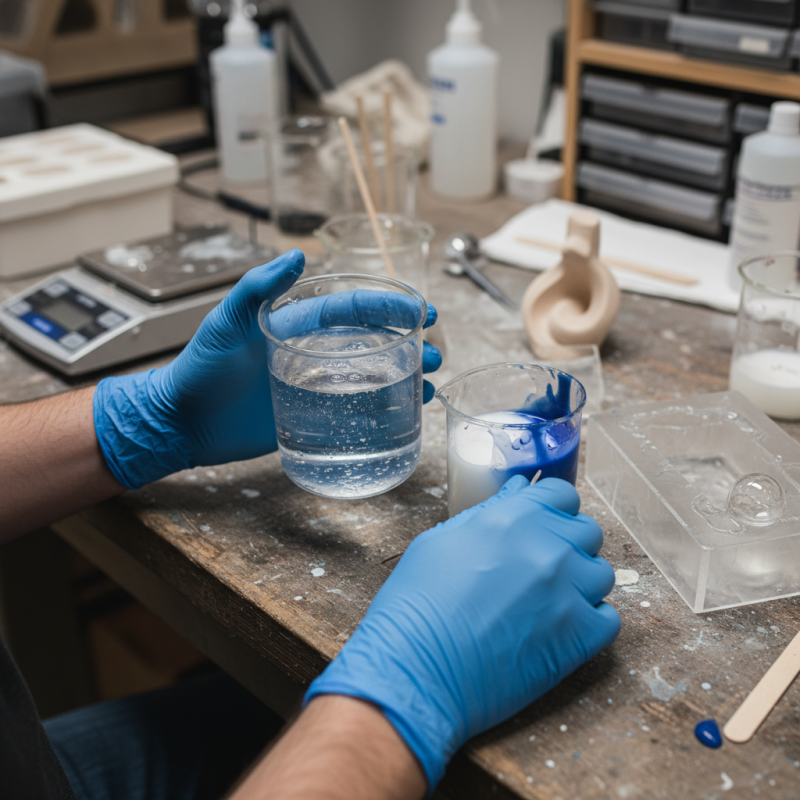
Many enthusiasts encounter challenges when working with RTV silicones. Common issues include air bubbles and improper mixing ratios. Observing these problems can lead to frustration. Yet, identifying and correcting these mistakes enhances skills over time.
Understanding the equipment and materials is essential. The right tools can significantly impact the molding process. It's important to experiment and learn from each attempt. By recognizing mistakes, anyone can improve and achieve quality results in Rtv molding.
Understanding RTV Molding: Basics and Terminology
RTV molding, or Room Temperature Vulcanization molding, is a versatile technique used in various industries. Understanding its basics and terminology is crucial for successful application. RTV silicone is a rubber-like material that can cure at room temperature. This feature makes it suitable for creating molds for intricate designs.
One key term is "durometer," which measures the hardness of silicone. A higher durometer means a firmer mold. According to industry reports, soft silicone molds (10-20 Shore A) are ideal for intricate designs, while firmer ones (40-60 Shore A) work well for larger applications. These variations allow for different applications, but they also introduce challenges. Selecting the correct durometer requires experience and sometimes a bit of trial and error.
Another important term is "pot life." This refers to the time available to work with the material before it begins curing. Pot life can range from minutes to hours, depending on the product. Many beginners struggle with timing, as molds need to be poured before the silicone thickens. Misjudging pot life can lead to wasted materials and ruined projects, emphasizing the need for careful planning and understanding of the materials.
10 Essential Tips for Mastering RTV Molding Techniques
| Tip Number |
Tip Description |
Key Benefits |
| 1 |
Choose the Right RTV Silicone |
Ensures optimal curing and mold performance |
| 2 |
Prepare the Master Pattern Properly |
Promotes accurate reproductions without flaws |
| 3 |
Use Release Agents Liberally |
Prevents sticking and damages to the mold |
| 4 |
Mix Components Thoroughly |
Ensures uniform curing and performance |
| 5 |
Control the Temperature and Environment |
Improves curing consistency and reduces defects |
| 6 |
Choose the Right Curing Time |
Avoids premature demolding and defects |
| 7 |
Optimize Mold Design |
Enhances the efficiency and durability of molds |
| 8 |
Perform Regular Maintenance on Tools |
Extends the lifespan of equipment and molds |
| 9 |
Train Staff on Best Practices |
Increases efficiency and reduces errors |
| 10 |
Test and Adjust Techniques Regularly |
Improves quality and adapts to new materials |
Step-by-Step Guide to Preparing Your Molding Project
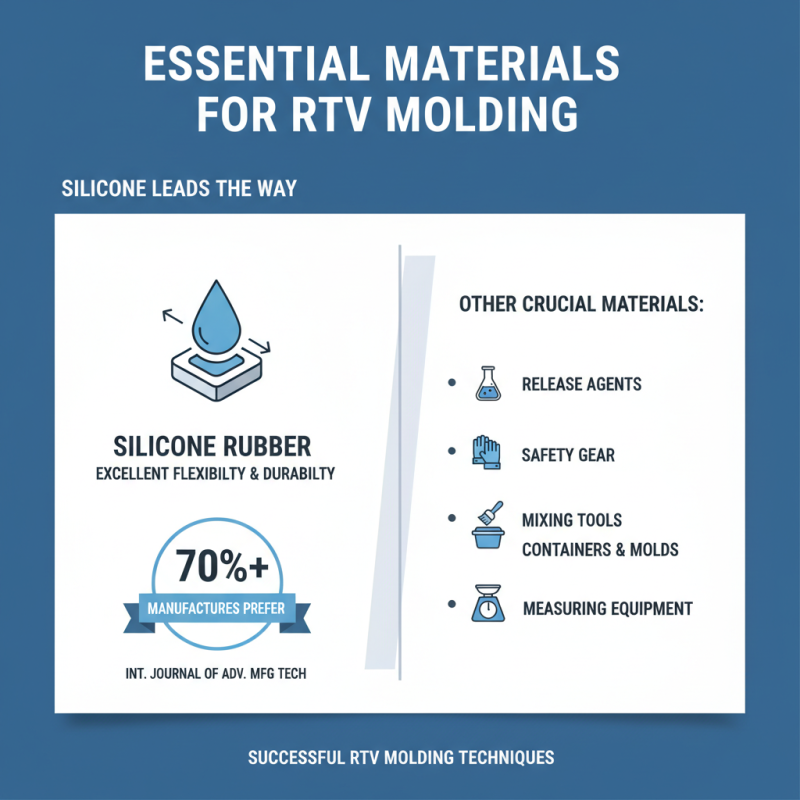
When preparing for an RTV molding project, careful planning is crucial. Begin by gathering all necessary materials. This includes RTV silicone rubber, a release agent, and your model. Research suggests that the choice of silicone can affect the overall outcome. For example, using high-quality materials can increase your mold’s lifespan significantly.
Tip: Ensure your workspace is clean and organized. Dust and debris can compromise your mold and affect the final product. A 2022 report showed that less than 30% of new mold makers considered cleanliness a priority. This can lead to poor results and wasted materials.
Next, focus on the model preparation. The surface must be free from imperfections. Apply a release agent to prevent sticking. Skipping this step could ruin your mold. In fact, a survey indicates that over 40% of failures are due to improper preparation. Take the time to analyze and refine your methods, as consistent quality is key to mastering RTV molding techniques.
10 Essential Tips for Mastering RTV Molding Techniques
Common Mistakes to Avoid in RTV Molding Processes
RTV molding can be tricky. Many people struggle with common mistakes that lead to failures. One typical error is improper mixing of the silicone. This can cause bubbles or uneven curing. Always follow the manufacturer's recommendations for mixing ratios. Pay close attention to the mixing time. It may seem minor, but it can greatly affect your final product.
Another mistake is not preparing the mold surface properly. A clean surface is essential. Contaminants can hinder adhesion. Before pouring, ensure the surface is free of dust or oils. A quick wipe-down can make a big difference.
When setting up your workspace, consider temperature and humidity. Both factors can influence curing. An overly humid environment can lead to tacky surfaces. Ideal conditions are often overlooked. A stable environment promotes better results.
Avoid rushing through the process. Patience is key in RTV molding. Rushed work can lead to errors you might not notice until it's too late. Each step deserves your focus.
Tips for Achieving High-Quality Castings with RTV Molds
When working with RTV molds, achieving high-quality castings is key. Start by ensuring your workspace is clean and organized. Contaminants can easily spoil your mix, leading to defects. Once the RTV material is prepared, measure it carefully. Even slight variations can affect the final outcome. Mix slowly to minimize air bubbles. Bubbles weaken the integrity of your casting and can lead to rough surfaces.
After pouring, allow the molds to cure fully. Rushing this stage often results in stickiness or incomplete hardening. Consider the temperature; too hot or too cold can change the viscosity. If you notice that your casts are inconsistent, review your mixing and pouring techniques. Practice makes perfect, but even the best can struggle initially. Learn from mistakes, and don't be afraid to adjust your methods. Keep a journal to track your progress and identify trends in failures. This reflection can help refine your skills over time.