What is Ito Thin Film and Its Applications in Electronics?
ITo Thin Film has gained significant attention in the electronics industry due to its unique properties. This thin layer of indium tin oxide (ITO) exhibits excellent conductivity and transparency. These characteristics make Ito Thin Film ideal for a wide range of applications, especially in displays and photovoltaic devices.
The importance of Ito Thin Film goes beyond basic functionality. Its application in touch screens and liquid crystal display (LCD) panels showcases its crucial role in modern technology. However, the production process of ITO must be scrutinized. Concerns about sustainability and resource availability are growing. We need to explore alternatives and improve recycling methods.
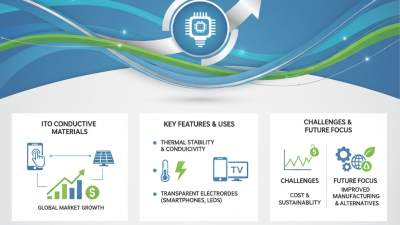
As we delve deeper into the world of Ito Thin Film, it's essential to acknowledge its limitations. While it leads to advancements in electronics, the challenges of cost and material sourcing remain. Addressing these concerns is vital for the future of ITO-based technologies. We must strike a balance between innovation and sustainability.
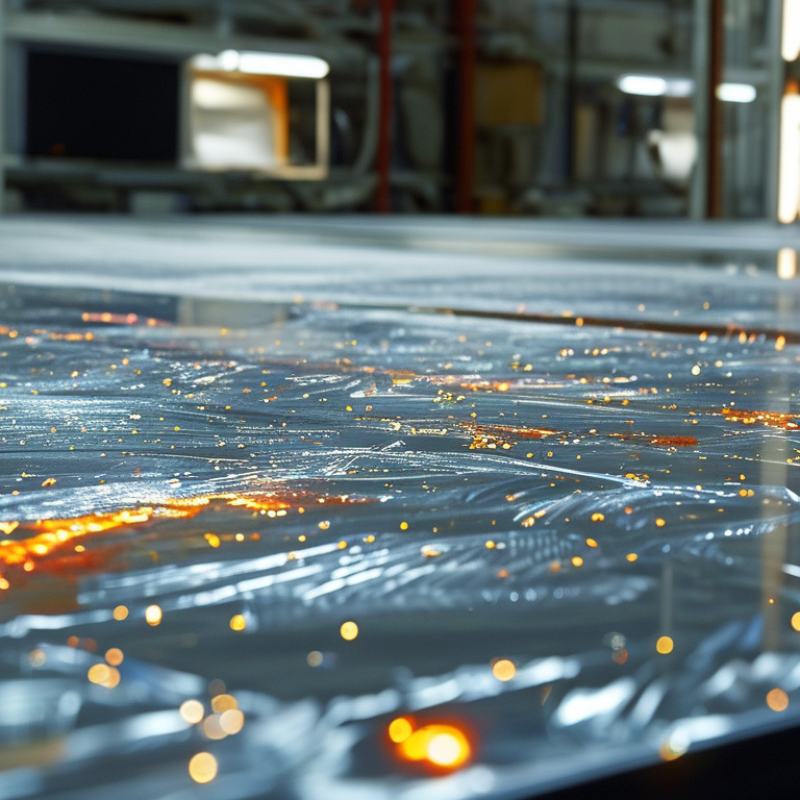
Overview of Ito Thin Film Technology
Indium Tin Oxide (ITO) thin films are vital in modern electronics. They are composed of indium oxide and tin oxide. This combination results in a transparent and conductive material. ITO films are commonly used in touchscreens, solar cells, and display technologies. Their unique properties make them an excellent choice for devices requiring both visibility and electrical conductivity.
The deposition of ITO films can be done using various techniques, including sputtering and chemical vapor deposition. Each method has its nuances and effectiveness. Sputtering is popular due to its reliability and scalability for large-area applications. However, achieving uniform thickness can be challenging. Researchers are continually exploring ways to improve the deposition process and enhance the film's properties.
ITO films also face some limitations. Their brittleness can cause issues in flexible electronic applications. Additionally, the mining of indium raises environmental concerns. As technology advances, alternative materials are being investigated. These alternatives aim to create a more sustainable approach while maintaining the desirable traits of ITO. The journey toward optimizing thin film technology remains ongoing, shedding light on both current limitations and future possibilities.
What is Ito Thin Film and Its Applications in Electronics? - Overview of Ito Thin Film Technology
| Characteristic |
Description |
| Material Composition |
Indium Tin Oxide (ITO) |
| Electrical Conductivity |
High conductivity |
| Optical Transparency |
Transparent in visible spectrum |
| Thickness Range |
10 nm to 200 nm |
| Applications |
Touch screens, LCD panels, solar cells |
| Deposition Techniques |
Sputtering, evaporation |
| Advantages |
Good thermal stability, high electrical performance |
| Limitations |
Brittleness, resource scarcity |
Properties and Characteristics of ITO Materials
Indium tin oxide (ITO) is a critical material in electronics, widely recognized for its unique properties. It has high electrical conductivity and excellent optical transparency. These features make it suitable for use in touchscreens, solar cells, and LED technology. Recent studies indicate that ITO films can achieve a conductivity of up to 10,000 S/m, combined with a visible light transmission exceeding 90%.
The crystal structure of ITO contributes significantly to its functionality. It typically adopts a cubic lattice structure, which enhances its durability and performance. This material also exhibits a high refractive index, making it effective for optical devices. However, ITO can be brittle, posing challenges in flexible applications. Research shows that the brittleness is influenced by the thickness and deposition methods used during production.
Sustainability is becoming increasingly important in electronics. While ITO remains a top choice, the search for alternative materials is ongoing. For instance, materials like graphene and carbon nanotubes show promise but lack the stability of ITO. The electronics industry is constantly evolving, and the limitations of ITO require continous evaluation. The balance between performance, cost, and ecological impact is crucial for future developments.
ITO Thin Film Characteristics in Electronics
This bar chart illustrates the key properties of ITO (Indium Tin Oxide) thin films used in electronics. The data indicates the effectiveness of ITO in terms of electrical conductivity, transmittance, thermal stability, mechanical flexibility, and chemical resistance, which are critical for its applications in various electronic devices.
Applications of ITO Thin Films in Display Technologies
Indium Tin Oxide (ITO) thin films are critical in modern display technologies. They are transparent conductors, allowing screens to display vivid images while maintaining touch sensitivity. These films are usually applied to LCDs and OLED displays, enhancing visibility in various lighting conditions. The electrical conductivity of ITO enables responsive touch actions, crucial for smartphones and tablets.
In displays, ITO films serve multiple functions. They act as both a conductive layer and an antireflective coating, improving light transmission. Moreover, ITO can be deposited in various ways, including sputtering and chemical vapor deposition. Each method impacts the film's quality and performance. Not all ITO films perform equally. They can suffer from issues like uneven thickness or poor adhesion to substrates, leading to malfunction.
The demand for better display technology pushes research into alternative materials. New solutions must aim for higher transparency and conductivity, while reducing reliance on indium. This reflects ongoing challenges researchers face in balancing cost with performance. Continual advancements in ITO applications show promise, yet limitations persist that require critical evaluation and innovation.
Role of ITO in Solar Cells and Photovoltaics
Indium Tin Oxide (ITO) is crucial in advancing solar cells and photovoltaics. Its unique properties make it an ideal transparent conductive oxide. A recent report from the Global Market Insights valued the ITO market in solar applications at over $1 billion in 2022 and predicts steady growth due to rising demand for renewable energy sources.
In solar cells, ITO serves as an essential layer for efficient light harvesting. It allows sunlight to penetrate while conducting electricity. Studies indicate that ITO can enhance photovoltaic efficiency by up to 20%. However, dependence on indium has raised concerns about resource scarcity. Researchers are actively exploring alternative materials and methods to reduce this reliance.
Despite its advantages, ITO faces challenges, particularly regarding flexibility and mechanical stability. These limitations can affect performance in certain applications, such as flexible solar panels. Ongoing studies focus on improving ITO’s mechanical properties, ensuring it meets the evolving demands of the market. As the industry shifts towards more sustainable practices, finding alternatives without compromising efficiency remains a pressing issue.
Future Trends and Innovations in ITO Thin Film Applications
Emerging trends in ITO (Indium Tin Oxide) thin film technology are reshaping the electronics landscape. The market for ITO is projected to reach $4.89 billion by 2026, growing at a CAGR of 5.6% from 2021 to 2026, according to a report by Research and Markets. This growth is largely driven by advancements in touchscreens and transparent conductors. ITO's unique conductivity and transparency make it a preferred material for a variety of applications.
Innovations in sustainable ITO alternatives are also gaining attention. Researchers are exploring materials that could reduce reliance on indium, a scarce resource. These alternatives aim to deliver similar electrical properties while minimizing environmental impact. Techniques such as layer thickness optimization and advanced deposition methods are expected to enhance performance in flexible electronics.
As the demand for smarter devices increases, the role of ITO will evolve. The development of multifunctional materials may lead to enhanced energy efficiency and performance in photovoltaic cells and LEDs. However, the challenge remains in balancing performance with cost-effectiveness. Continuous research and collaboration in the field are essential to address these complexities.