What Are Led Inks and How Do They Improve Printing Quality?
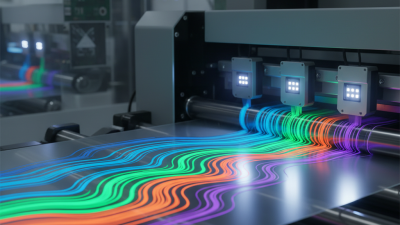
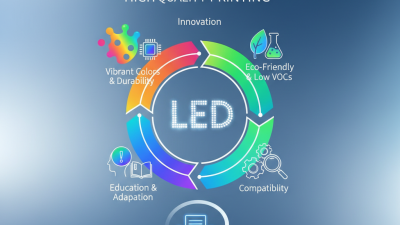
In the evolving world of printing technology, one significant advancement is the introduction of Led Inks. These inks harness LED technology to enhance the printing process. They provide a unique solution for achieving vibrant colors and sharp details. Many printers are now exploring how Led Inks could redefine quality standards.
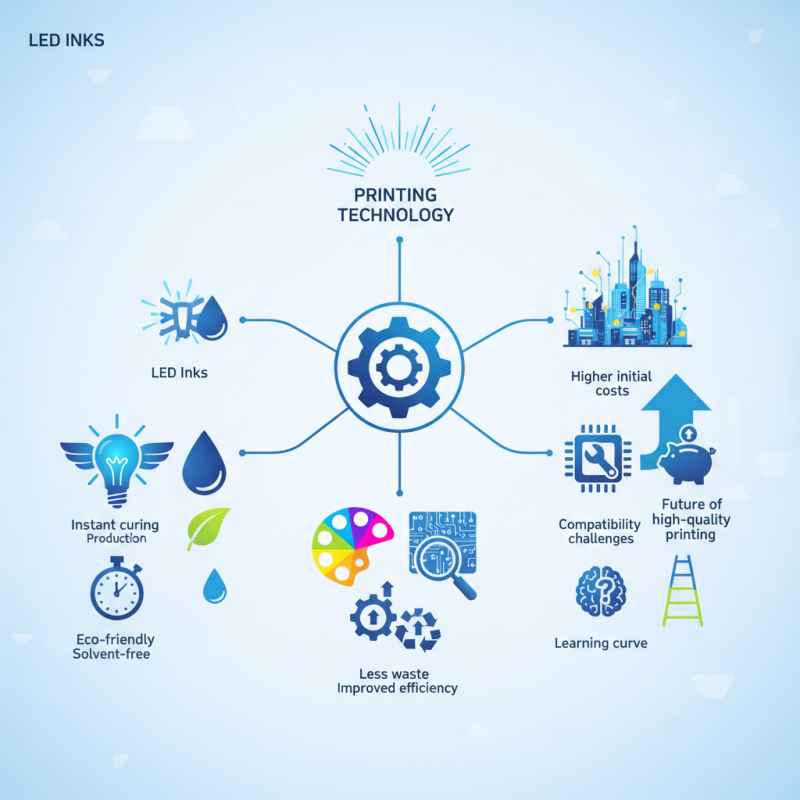
Led Inks stand out because they cure instantly under LED lights. This process minimizes drying times, allowing for faster production. Printers using these inks often see less waste and improved efficiency. Additionally, the environmental impact is noteworthy. Led Inks are typically free from harmful solvents, making them a greener choice.
However, integrating Led Inks can pose challenges. Not all printing machines are compatible, and initial costs may be higher. Some users might find the learning curve steep. Despite these issues, the potential benefits are substantial. As the industry adapts, Led Inks seem poised to play a crucial role in the future of high-quality printing.
What Are LED Inks?
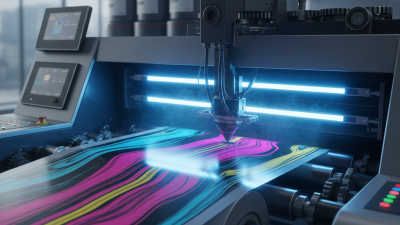
LED inks represent a significant advancement in the world of printing. These inks are formulated to cure under ultraviolet light, which results in faster drying times and sharper images. Unlike traditional inks, LED inks provide vibrant colors and enhanced durability. The curing process allows the ink to bond more effectively with various substrates, making the printed materials more resilient and long-lasting.
When considering LED inks, it's essential to evaluate the environmental impact. They usually contain lower volatile organic compounds (VOCs) compared to conventional inks, which contributes to a healthier workspace. However, not all printers are compatible with LED inks, which may limit options for some businesses. It's important to research equipment compatibility before making a transition.
Tips: For those looking to switch, start with small print jobs to test the technology. This approach minimizes risk and allows for adaptation to LED technology. Always consult with experts in the printing field to ensure you receive accurate advice tailored to your needs. Investing time in understanding LED inks will pay off through improved print quality and operational efficiency.
What Are Led Inks and How Do They Improve Printing Quality?
| Feature |
Traditional Inks |
LED Inks |
| Drying Time |
Slower (minutes) |
Instant (seconds) |
| Energy Efficiency |
Higher |
Lower (uses LED light) |
| Print Durability |
Moderate |
High (better resistance to scratching and fading) |
| Color Brightness |
Standard |
Enhanced (more vivid colors) |
| Environmental Impact |
Higher VOC emissions |
Lower VOC emissions (more eco-friendly) |
Composition and Characteristics of LED Inks
LED inks represent a significant advancement in the printing industry. Their unique composition typically includes photoinitiators, oligomers, and pigments. These components work together to create a vibrant, high-quality finish. The inks cure instantly under UV light, which prevents bleeding and smudging. This feature enhances color accuracy and sharpness, leading to improved overall printing quality.
When considering LED inks, pay attention to the viscosity. A proper viscosity ensures even distribution during the printing process. It affects the final product's texture and adhesion to various substrates. Meanwhile, the pigments' lightfastness is another critical aspect. It determines how well the print can resist fading from light exposure.
Tip: Always test inks on sample materials before the final print run. This ensures the desired outcome and minimizes waste. Additionally, remember that different surfaces may require specific ink formulations for optimal results. Experimentation can lead to valuable insights into achieving the best print quality.
Benefits of Using LED Inks in Printing
LED inks are revolutionizing the printing industry. These innovative inks cure quickly under UV light, resulting in vibrant colors and sharp details. One of the main benefits of LED inks is their efficiency. They dry instantly, allowing for faster production times. This quick turnaround can help businesses respond swiftly to market demands.
The versatility of LED inks is remarkable. They can be used on various substrates, including paper and plastic. This adaptability opens new avenues for creative designs. Additionally, LED inks are environmentally friendly. They emit fewer volatile organic compounds (VOCs) during the curing process, supporting sustainable practices.
However, switching to LED inks isn't without challenges. Some printers may require upgrades to accommodate these inks. Not all substrates respond well. Compatibility issues can arise, which necessitates careful testing. Still, the potential benefits of improved quality and reduced environmental impact make LED inks a worthwhile consideration in modern printing.
Benefits of Using LED Inks in Printing
Impact of LED Inks on Print Quality
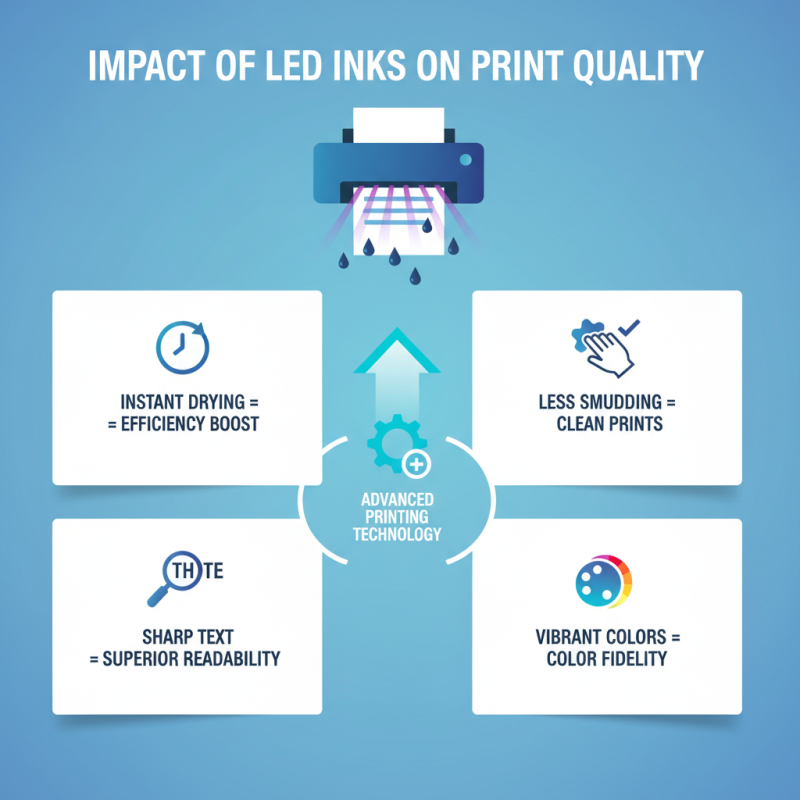
LED inks represent a significant advancement in the printing industry. They rely on ultraviolet light to cure the ink as it prints. This method ensures a quick drying process, which enhances efficiency. Because the inks dry instantly, there is less risk of smudging. This immediacy helps maintain sharp text and vivid colors.
The impact of LED inks on print quality is profound. They offer improved adhesion to various substrates. This quality results in vibrant colors and sharp details. Additionally, LED inks have lower levels of volatile organic compounds (VOCs). This characteristic contributes to a healthier workspace. However, there are challenges. Some printers may not be compatible with LED inks, leading to potential misprints or equipment damage.
Another aspect to consider is the cost. While LED inks may be pricier upfront, they can provide long-term savings. The durability of the prints often offsets initial expenses. Yet, in some instances, the color accuracy may fall short compared to traditional inks. This nuance requires ongoing reflection and adjustments during the printing process. Balancing quality, cost, and practicality is essential for optimal outcomes.
Applications of LED Inks in Various Industries
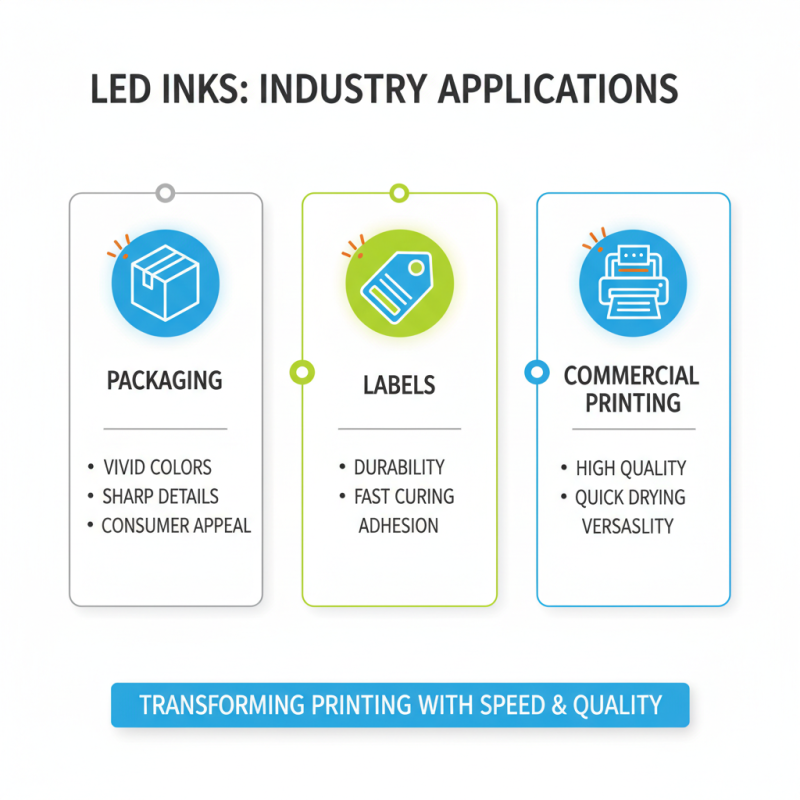
LED inks are transforming many industries with their unique applications. These inks use LED technology to cure or dry quickly, enhancing overall printing quality. Industries like packaging, labels, and commercial printing are leveraging these advantages. In packaging, LED inks provide vivid colors and sharp details, essential for attracting consumers.
In the label printing sector, the quick-drying feature helps meet tight deadlines. This efficiency is crucial for businesses that require fast turnarounds. Improved durability is another benefit, as LED inks are resistant to scratches and chemicals. Thus, labels maintain their quality throughout their lifecycle.
Tips for those considering LED inks: evaluate the specific needs of your project. Not all applications may require LED inks, and there may be costs involved. Testing different inks can help determine the best fit. Be aware that not every printer can handle these inks, leading to potential compatibility issues. Always consult with a specialist to assess capabilities before making changes.