What is Neoprene Washers and How to Choose the Right Ones?
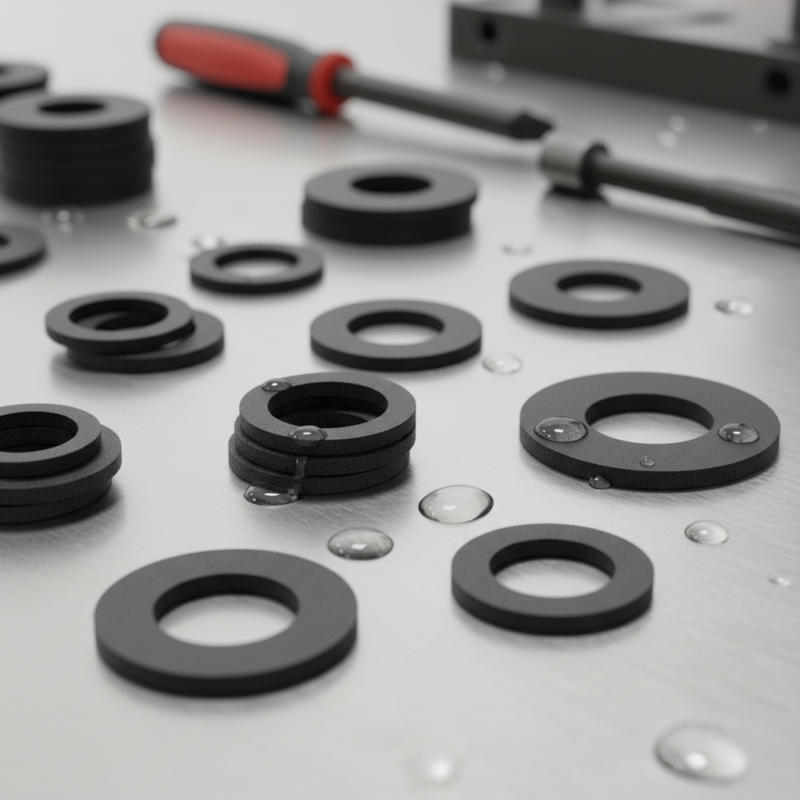
Neoprene washers are versatile components used in various applications. They play a crucial role in ensuring seals are tight and secure. Understanding their importance can greatly enhance your projects.
Choosing the right neoprene washers requires knowledge of their properties. Neoprene is known for its durability and resistance to oils and chemicals. This makes it a reliable choice for many environments. However, not all neoprene washers are created equal. Factors like thickness, diameter, and hardness matter greatly.
Consider the specific requirements of your project. Sometimes, people overlook these factors, leading to less effective results. It’s essential to assess your needs carefully. This ensures that the neoprene washers you choose perform optimally in their intended application. Making informed decisions will improve your overall project quality.
What Are Neoprene Washers? An Overview of Their Composition and Properties
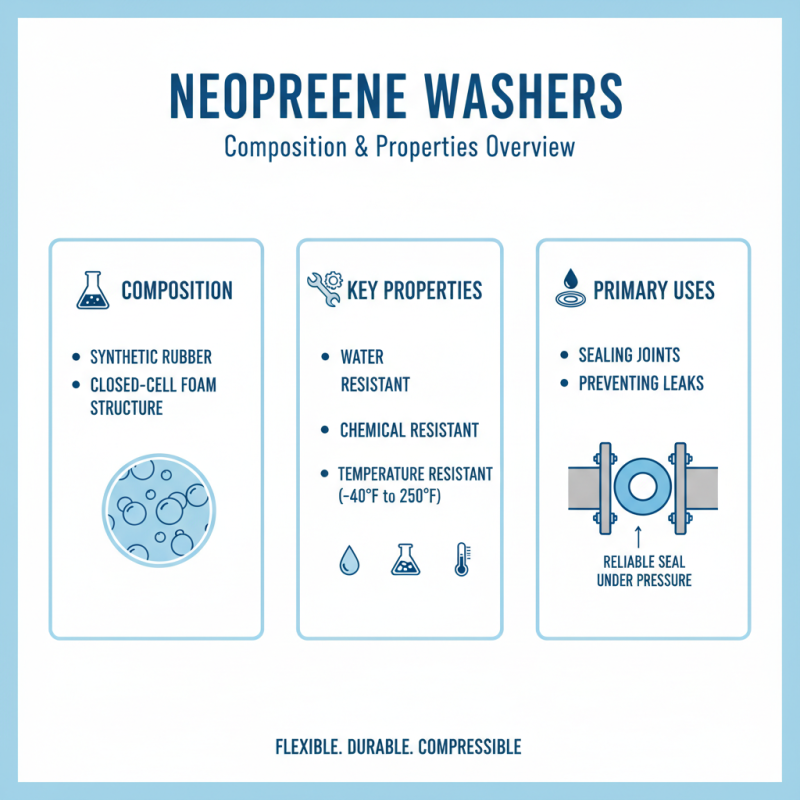
Neoprene washers are essential components used in various applications. They are made from synthetic rubber, providing excellent resistance to water, chemicals, and temperature extremes. The flexibility of neoprene makes it a preferred choice for sealing joints and preventing leaks. Their structure includes closed-cell foam, which enhances their durability and compressibility. These properties enable neoprene washers to maintain a reliable seal under pressure.
When selecting neoprene washers, consider their thickness and diameter. These factors can significantly affect performance. Thicker washers may provide a better seal but could compromise flexibility. Conversely, thinner ones might be less durable. Additionally, the temperature range should match your application. Too much heat or cold can degrade neoprene, leading to failure.
While neoprene washers are reliable, it's crucial to reflect on potential issues. Over time, they can wear out, losing their sealing capabilities. Regular inspections are necessary to ensure effectiveness. Understanding the composition and properties of neoprene helps in making educated decisions on which washers to choose for specific tasks.
Key Applications of Neoprene Washers in Various Industries
Neoprene washers are versatile components widely used across various industries. They serve essential roles in machinery, plumbing, and automotive applications. Their unique properties make them ideal for sealing, vibration dampening, and insulation. Neoprene’s ability to resist oils, weathering, and extreme temperatures enhances performance in diverse settings.
In the automotive sector, neoprene washers help prevent leaks in critical components. They are often used in fuel systems and coolant applications. Their flexibility allows for a tight seal, minimizing the risk of fluid loss. In plumbing, these washers help maintain watertight seals in faucets and pipes, ensuring effective performance. They can resist degradation from exposure to different chemicals often found in water systems.
While neoprene washers are reliable, selecting the right type can be challenging. Not all neoprene is the same in terms of thickness and hardness. Users must consider specific applications and environmental conditions. Misjudging these factors could lead to failures. It's essential to reflect on the specific needs of your project before choosing neoprene washers. Making the right choice will significantly impact functionality and longevity.
Key Applications of Neoprene Washers in Various Industries
Factors to Consider When Choosing Neoprene Washers for Your Projects
When choosing neoprene washers for your projects, several key factors require careful consideration. The environmental conditions play a significant role. Neoprene performs well in moderate temperatures, but extreme heat or cold may compromise its integrity. According to industry data, neoprene can withstand temperatures between -20°C to 100°C effectively. Understanding the temperature range of your application is crucial for longevity.
Another important aspect is the chemical exposure. Neoprene is resistant to many oils and chemicals, but not all. For example, it can degrade when exposed to ozone and certain solvents. Evaluating the specific chemicals your washers will encounter can prevent future failures. Research shows that improper material selection can lead to a 30% increase in maintenance costs over time.
Thickness and size also impact performance. Thicker washers tend to absorb more shock and vibration. Consider how much pressure will be placed on each washer. A thicker washer may not always be the answer if space is limited. It’s an essential detail that requires attention, especially in precision applications. Choosing the right neoprene washer is not just about meeting specifications; it's about understanding the entire working environment.
Comparing Neoprene Washers to Other Materials: Performance and Durability
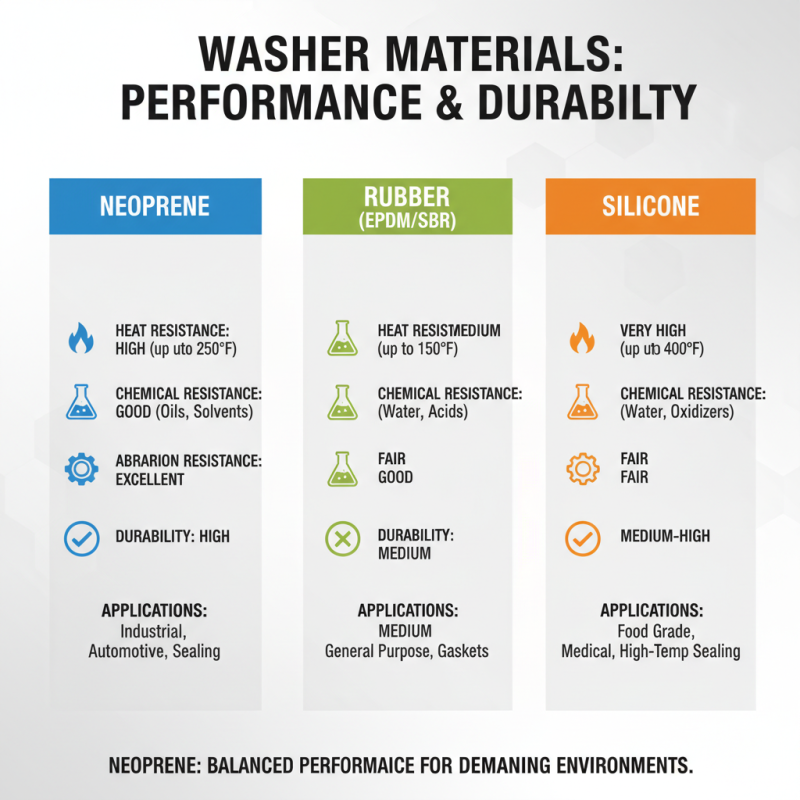
Neoprene washers are a popular choice for many applications due to their unique qualities. When comparing neoprene to other materials like rubber or silicone, several factors come into play. Neoprene offers excellent resistance to heat, chemicals, and abrasion. This durability is crucial in demanding environments. It handles high temperatures well, making it suitable for various industrial applications.
However, not all scenarios favor neoprene. Rubber, for instance, can be more flexible, which might be necessary in certain settings. Silicone offers superior temperature resistance but lacks the same level of abrasion resistance as neoprene. Users should weigh these pros and cons carefully. It's important to consider the specific environment where the washer will be used. Will it face extreme temperatures or harsh chemicals?
Understanding these differences helps in making informed choices. Neoprene washers sometimes wear out faster than anticipated under specific conditions. Reflecting on performance and durability will lead to better decisions. Evaluating the unique demands of your project is essential.
Industry Standards and Certifications for Neoprene Washers Explained
Neoprene washers are essential components in various applications, particularly in plumbing and automotive fields. Understanding the industry standards and certifications for these washers is vital for selecting the right ones. These standards ensure durability, performance, and safety in their use. Different certifications indicate specific properties, such as temperature resistance, chemical compatibility, and durability under stress.
When choosing neoprene washers, look for industry certifications like ASTM and ISO. These certifications guarantee the product meets high-quality standards. Additionally, consider the thickness and diameter. The right size ensures a proper seal and performance.
Tips for selection: Check the material composition. Ensure it meets your environmental needs. Don't overlook the importance of testing. Sometimes, what seems perfect may not hold up under pressure. Be wary of certifications that seem vague. Always seek clarity to make informed choices. Regularly revisiting your choices will help refine your selections over time.
What is Neoprene Washers and How to Choose the Right Ones? - Industry Standards and Certifications for Neoprene Washers Explained
| Dimension |
Description |
Industry Standard |
Certification |
| Thickness |
Varies based on application, from 1/32" to 1/2" |
ASTM D1056 |
ISO 9001 |
| Color |
Typically black, but can be colored for visibility |
ASTM D2240 |
RoHS compliant |
| Temperature Resistance |
-20°F to 180°F (-29°C to 82°C) |
ASTM D2000 |
UL Certified |
| Durometer Hardness |
Range from 40 to 90 Shore A |
ASTM D2240 |
ISO 14001 |
| Chemical Resistance |
Good resistance to oils, greases, and water |
ASTM D471 |
FDA Approved |