What is Rtv Molding and How Does it Work?
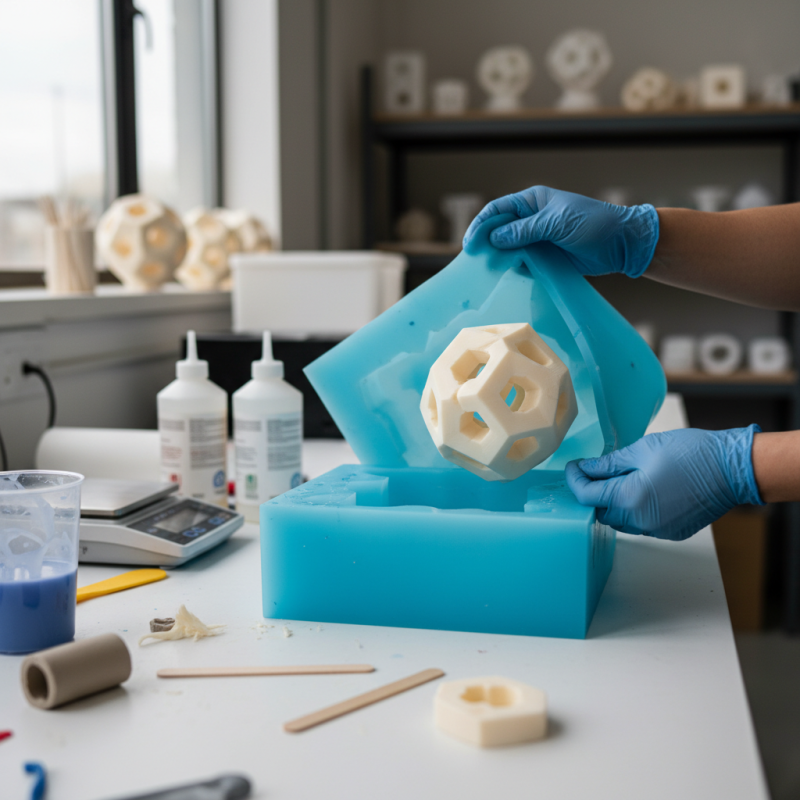
Rtv Molding is a fascinating process used in various industries. It stands for Room Temperature Vulcanization. This technique involves creating molds from silicone rubber that can set at room temperature.
The process of Rtv Molding offers several advantages. It allows for complex shapes and fine details. Many artists and manufacturers rely on this method for prototypes and small batch productions. However, the initial setup can be tricky. Miscalculating material amounts can lead to wasted resources. It's essential to understand the materials involved to achieve the best results.
Rtv Molding is not just about pouring materials into a mold. It requires precision, patience, and often, practice. Many creators find themselves learning through both success and failure. Developing skills in Rtv Molding can lead to impressive outcomes, while mistakes provide valuable lessons.
What is RTV Molding? A Basic Overview
RTV molding, or room temperature vulcanization molding, is a fascinating process in the world of materials science. It utilizes silicon rubber to create molds at room temperature, making it an accessible choice for many applications. According to recent industry studies, the global silicone market is projected to grow by 5.6% annually. This highlights the increasing demand for techniques like RTV molding.
RTV molding is often favored for its versatility. It allows for the reproduction of intricate designs and detailed features.
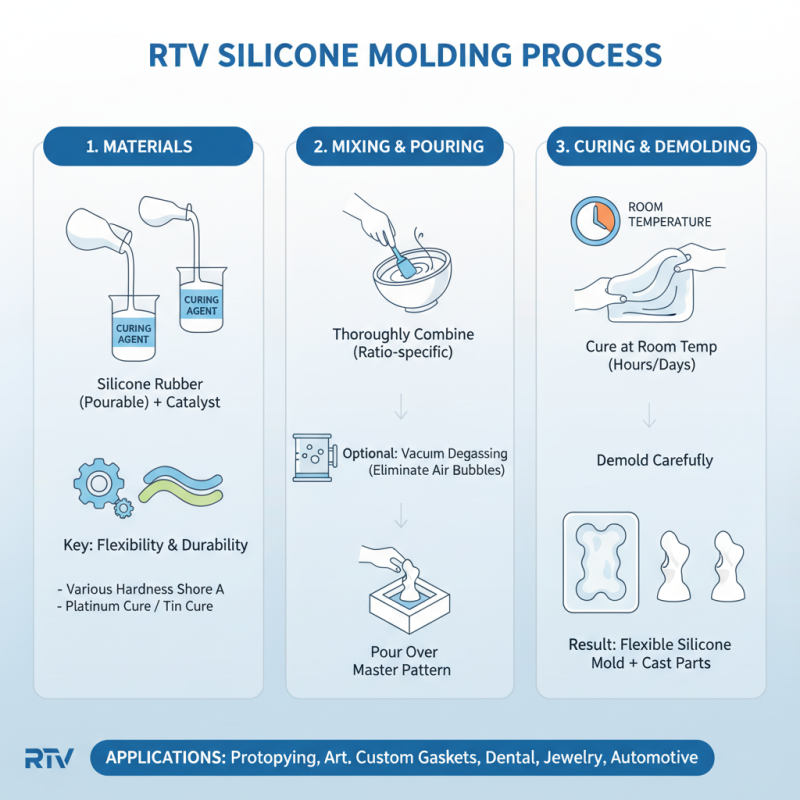
The process involves mixing a silicone rubber base with a curing agent, which then hardens over time. However, achieving the perfect mix can be tricky. Any inconsistencies might lead to flaws in the final product. This aspect of RTV molding illustrates the need for precision.
Moreover, RTV molds can be both soft and hard, dependent on the desired application. They are commonly used in art, engineering prototypes, and even in medical devices. However, the quality of RTV molds can vary widely, often requiring additional refinement.
Industry reports highlight that 30% of molds produced may require adjustments before reaching optimal performance, underscoring the importance of careful evaluation in the RTV molding process.
The Materials Used in RTV Molding Processes
RTV (Room Temperature Vulcanization) molding is a popular process in various industries, particularly for creating silicone molds. The materials used in this process are crucial for achieving desired outcomes. Most frequently, silicone rubber is chosen due to its flexibility and durability.
One of the key materials is high-consistency rubber (HCR). HCR offers strength and elasticity. It is often used for products requiring durability. Another common material is liquid silicone rubber (LSR), which provides excellent flow characteristics for intricate designs.
Tips: Ensure proper mixing of materials is crucial. An uneven blend can lead to weak spots in molds.
For applications requiring high precision, the right additives can enhance performance. Fillers, for example, increase the mold's strength. However, choosing the wrong type can compromise the mold’s integrity. Always verify compatibility with your primary material.
Also, consider environmental factors. Humidity can affect curing times. High moisture may slow the process or cause defects. Monitoring conditions is essential during production.
Overall, understanding the materials used in RTV molding processes enhances production quality. Be mindful of how each element interacts and adjust as necessary.
Step-by-Step Guide to the RTV Molding Process
RTV molding is a fascinating process used to create durable rubber parts. It involves a few straightforward steps, but attention to detail is essential. The initial part of the process is selecting the right RTV silicone. You’ll want to check for viscosity and cure times. Choosing poorly may lead to unwanted results.
Once you have the silicone, prepare your mold. Ensure that it's clean and dry. Apply a release agent if necessary. This step is crucial to prevent sticking. Pour the mixed silicone into the mold, making sure to eliminate any air bubbles. It’s easy to rush this phase, but patience pays off.
After the silicone has cured, gently remove the mold. Inspect the final product for imperfections. A few flaws are common, so don’t despair. Learning from these minor details will enhance future projects. RTV molding is as much about practice as it is about technique. Each attempt brings you closer to perfection.
Applications and Benefits of RTV Molding in Various Industries
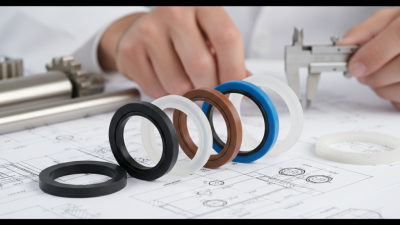
RTV molding, or room temperature vulcanization molding, is a popular method used across various industries. In automotive manufacturing, for instance, RTV is utilized for making gaskets and seals. This method offers flexibility and precision, which is crucial in preventing leaks and ensuring durability. However, it can be tricky to achieve the perfect consistency in the mixture.
The electronic industry also benefits from RTV molding. It's used to create encapsulation materials that protect sensitive components from moisture and dust. This application requires careful consideration of material properties. An improper mix can lead to product failures, making quality control vital.
In the construction sector, RTV molding is often used for creating architectural elements. It allows for intricate designs that enhance aesthetic appeal. But, not every mold turns out as expected. Some shapes may warp or fail to capture fine details. Continuous testing and adjustments help improve these outcomes.
Common Challenges and Solutions in RTV Molding Techniques
RTV molding often comes with its own set of challenges. One common issue is air bubbles. These bubbles can form during mixing or pouring and can ruin the final product. To minimize this, consider using a vacuum chamber. It helps remove trapped air. Additionally, slow pouring can also reduce bubble formation.
Another frequent problem is uneven curing. Factors like temperature and humidity can affect the curing process. If it cures too quickly, it may not set properly. To tackle this, maintain a stable environment. Check temperature and keep it consistent. Using a thermometer can be beneficial.
Tip: Always mix RTV components in small quantities first. This approach allows for better control over the mixing process.
Lastly, achieving the desired detail can be tricky. Sometimes, the mold might not capture fine features. If this happens, ensure the mold material is compatible with the object. A softer RTV can capture more detail than a rigid one. Patience is key in this process. It’s important to be ready to tweak your techniques until you find the perfect fit.
Tip: Practice on less critical projects to refine your skills. It's okay to make mistakes. Each attempt will teach you something new.