What is Rubber Oil Seals and How Do They Work?
Rubber Oil Seals are crucial components in many machines. They prevent oil leaks and protect internal parts. Understanding how they work helps us appreciate their importance.
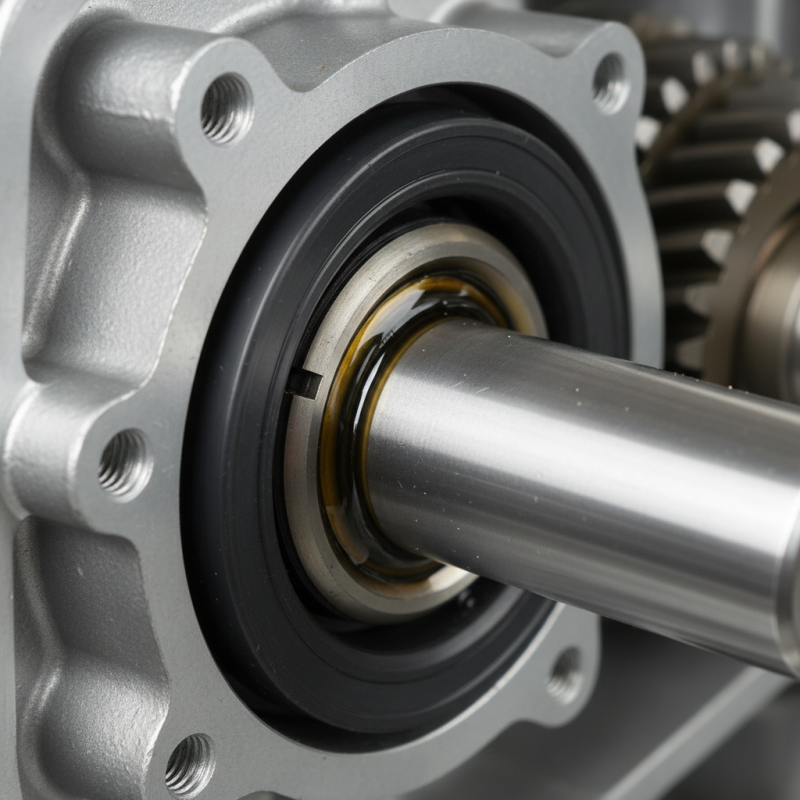
These seals are made from rubber, providing a flexible barrier. They fit snugly around shafts or in housings. This design prevents contaminants from entering and ensures the proper functioning of machinery. Rubber Oil Seals are found in engines, gearboxes, and pumps. Their reliable performance is essential for safety and efficiency.
However, not every seal performs perfectly. Environmental factors can lead to wear and tear. Over time, seals may harden or crack. Regular inspections are necessary to avoid unexpected breakdowns. Each application demands careful consideration of seal type and materials. Adapting to these needs can enhance machine longevity.
Definition and Composition of Rubber Oil Seals
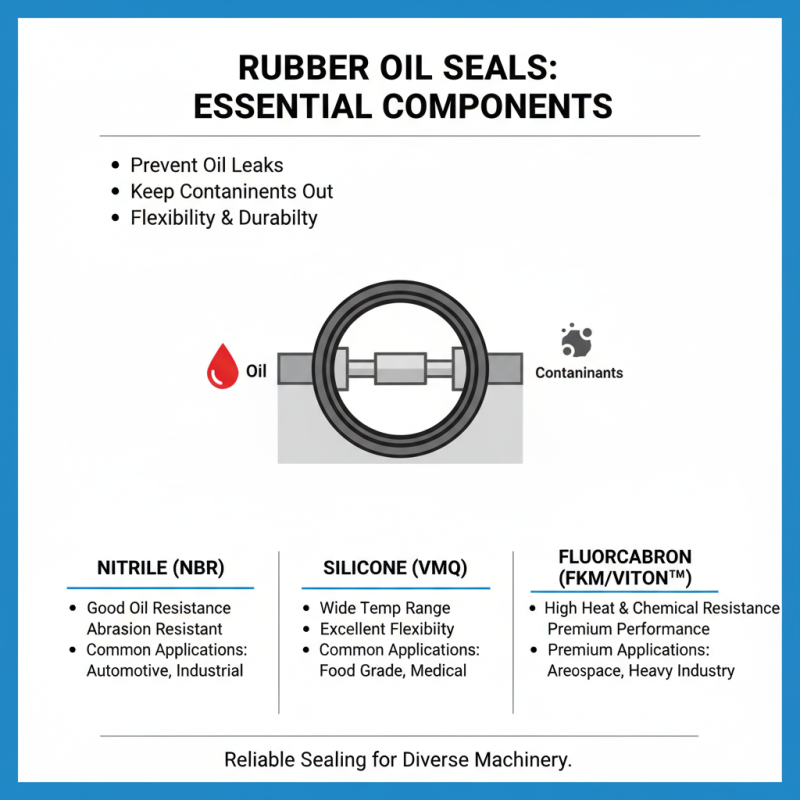
Rubber oil seals are essential components in various machinery. These seals prevent oil leaks and keep contaminants out. They are commonly made from rubber compounds that offer flexibility and durability. The most typical materials include nitrile, silicone, and fluorocarbon. Each material has its unique properties, making them suitable for different applications.
The composition of rubber oil seals typically includes a metal casing, which provides structural support. This casing helps maintain the seal's shape under pressure. The rubber component forms a tight fit against moving parts, effectively blocking oil escape. The design may include lips that enhance sealing efficiency. However, not all seals are perfect. Sometimes, they can wear out or fail under extreme conditions. It's essential to choose the correct type based on the environment and application to avoid malfunction.
Maintenance of rubber oil seals is crucial. Regular inspections can identify early signs of wear. If the seal is damaged, it may lead to significant leaks. Replacing faulty seals promptly can save time and resources. Despite being resilient, rubber oil seals can still be affected by temperature changes and oil additives. Understanding their properties can prevent unexpected failures in the long run.
Types of Rubber Oil Seals and Their Applications
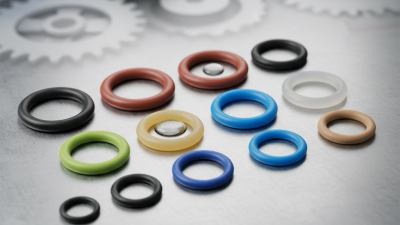
Rubber oil seals are vital components in various machinery. They help to prevent leakage and contamination of lubricants. There are several types of rubber oil seals, each with specific applications. Common types include lip seals, rotary seals, and o-rings. Each type serves distinct purposes in automotive and industrial settings.
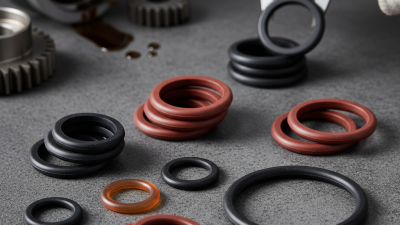
Lip seals are widely used in rotating machinery. They have a flexible lip that makes contact with the shaft, effectively sealing it. This type reduces the chance of oil leaking while keeping dirt and debris out. Rotary seals are another option; they can withstand higher pressures and accommodate axial movements. O-rings are versatile and often used in static applications. They create a strong seal in hydraulic and pneumatic systems.
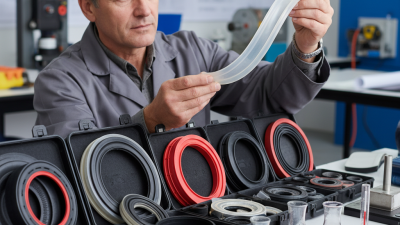
**Tips:** Always match the seal type to your application. A wrong choice can lead to premature failure. Regularly inspect seals for wear. Small cracks can indicate a bigger problem. Replace them to avoid costly repairs. Remember that installation matters. Misalignment can cause leaks, so pay attention to details.
Types of Rubber Oil Seals and Their Applications
This chart illustrates the different types of rubber oil seals used in various applications, highlighting their usage percentages.
Mechanism of Action: How Rubber Oil Seals Function
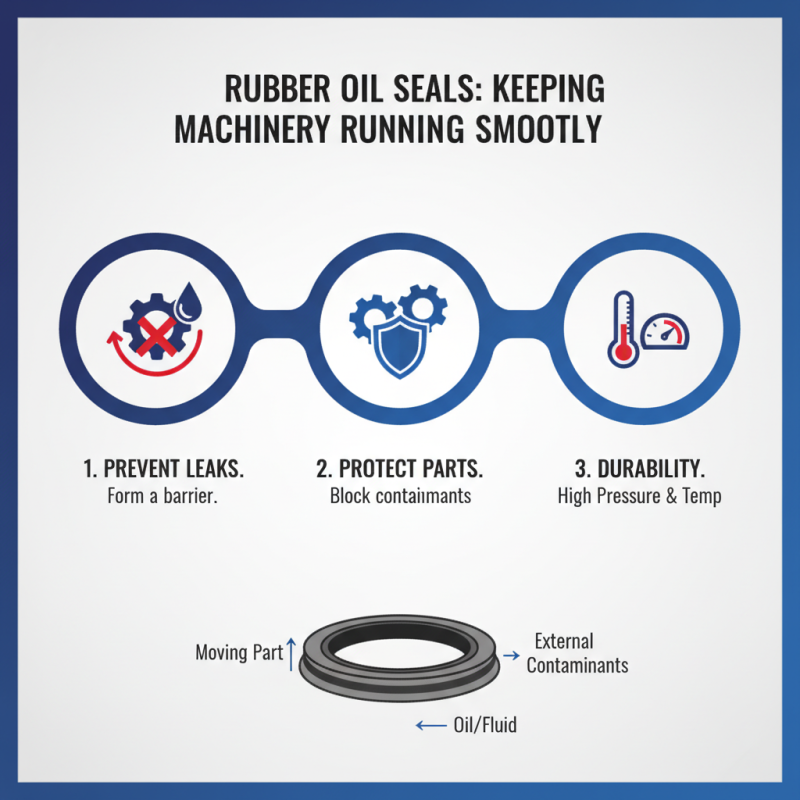
Rubber oil seals are essential components in various machinery, preventing oil leaks and protecting internal parts. Their primary function is to create a barrier between moving parts and external contaminants. They are designed to withstand high pressures and temperatures, ensuring optimal performance.
The mechanism of action in rubber oil seals involves the material's elasticity. When a seal is installed, it compresses against a shaft or housing. This compression creates a tight fit, which helps in keeping oils in while blocking out dirt and moisture. A study from the Society of Tribologists and Lubrication Engineers highlights that up to 90% of premature equipment failures result from lubrication failures. Properly functioning seals can significantly reduce these risks.
However, these seals can deteriorate over time. Issues may arise from excessive heat, chemical exposure, or improper fitting. For instance, aging seals may lose elasticity and become brittle, compromising their effectiveness. A report from the International Journal of Mechanical Engineering notes that maintenance costs for machines can rise by 30% when seals fail. Regular monitoring and timely replacements are crucial to ensure the longevity of these components.
Factors Influencing the Durability of Rubber Oil Seals
Rubber oil seals are essential in various mechanical systems. Their durability, however, can be influenced by several factors. Understanding these factors can aid in maintenance and performance.
One major influence is temperature. Extreme heat can cause rubber to degrade. Studies have shown that seal life decreases significantly at temperatures above 100°C. Conversely, low temperatures can also affect flexibility. This leads to higher susceptibility to cracking. Both scenarios highlight the need for proper thermal management.
Another critical factor is chemical exposure. Certain oils and chemicals can accelerate rubber degradation. For instance, petroleum-based oils can break down the seal material faster than synthetic alternatives. Many experts recommend reviewing compatibility charts to select suitable materials. Regular inspections are vital, too. They can help identify early signs of wear or damage. Over time, neglecting these checks can lead to costly failures. Balancing these factors is crucial for ensuring the longevity of rubber oil seals.
Installation and Maintenance Tips for Rubber Oil Seals
Rubber oil seals are essential components in various machinery, preventing leaks and contamination. Proper installation is crucial for optimal performance. Start by ensuring that the sealing surfaces are clean and free from debris. A little dirt can lead to significant issues later. Use a soft cloth to wipe the area.
When installing, avoid stretching the rubber seal excessively. This can cause premature wear or even failure. Align the seal carefully in its groove. A misaligned seal will not function as intended. After installation, check the seal for any visible gaps or distortions. These might indicate improper fitting.
Maintenance is equally important to extend the life of rubber oil seals. Regular inspections can catch wear early. Look for signs of cracking or hardening. If a seal appears damaged, it’s better to replace it sooner rather than later. Small issues can escalate quickly. Keeping an eye on these seals will save time and money in the long run.