Ultimate Tips for Choosing the Best Elastomer Keypad?
When selecting the best elastomer keypad, industry insights are invaluable. Expert engineer Dr. Jane T. Proctor emphasizes, “Choosing the right elastomer keypad can make or break a product’s usability.” Her experience highlights the critical role of material selection and design.
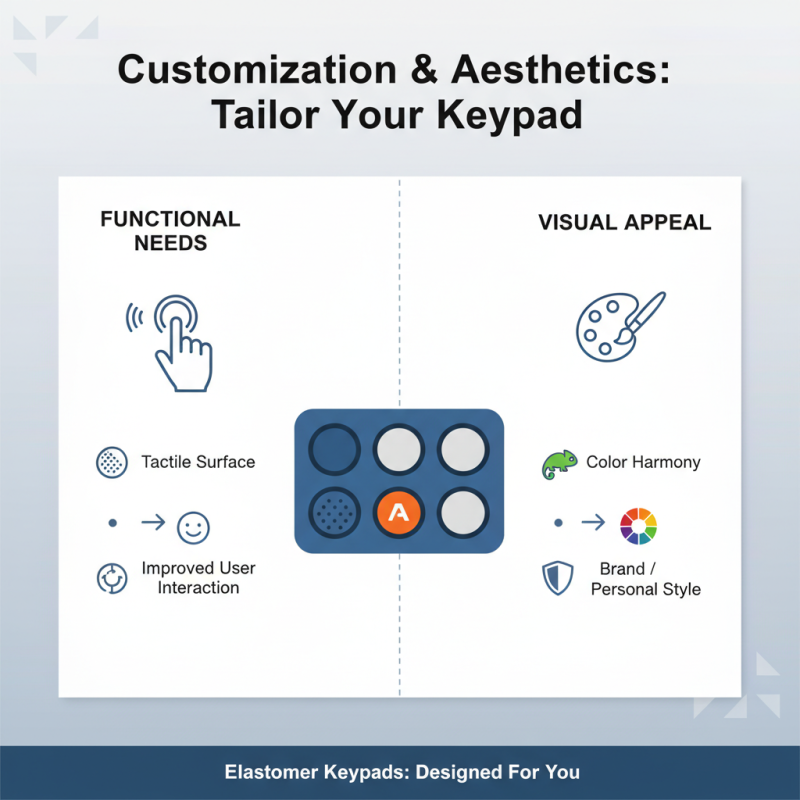
Elastomer keypads serve various applications, from consumer electronics to medical devices. The tactile response and durability of these keypads are paramount. They must withstand wear and provide a reliable user experience. Their design should not only be functional but also aesthetically pleasing.
Selecting an elastomer keypad often involves a balance. Manufacturers must weigh factors like cost, performance, and technology. This could lead to compromising some features. A poorly chosen keypad might result in reduced user satisfaction or increased return rates. Thus, it is crucial to thoroughly evaluate options and understand specific requirements before making a decision.

Understanding Elastomer Keypads and Their Applications
Understanding elastomer keypads requires appreciating their versatility. These keypads are made from flexible materials, offering tactile feedback. They are widely used in consumer electronics, medical devices, and automotive controls. Their durability and resistance to harsh conditions make them ideal for various applications.
When selecting an elastomer keypad, consider the environment it will be in. Factors like temperature and exposure to chemicals can affect performance. Pay attention to the design and functionalities you need. A well-designed keypad enriches user experience. It should feel intuitive, regardless of the context in which it is used.
Tip: Always test the keypad for ease of use. Feel its responsiveness and comfort. Check for pressure sensitivity and durability. These elements often get overlooked. Proper testing can save time and resources in the long run. Choosing the right keypad is essential for a successful product launch.
Key Factors to Consider When Choosing an Elastomer Keypad
When selecting an elastomer keypad, there are key factors that demand attention. One major consideration is the material quality. Elastomers can vary in durability, softness, and resilience. A thinner keypad might feel more responsive but could wear out quickly. Conversely, a thicker keypad might last longer but reduce tactile feedback. It is vital to find a balance that suits the intended use.
Another critical aspect is environmental factors. Consider where the keypad will be used. Will it be exposed to extreme temperatures, moisture, or chemicals? Selecting an elastomer that withstands these conditions is essential for longevity. Testing different samples can highlight how well various materials perform.
Lastly, don’t overlook design aspects. The shapes and sizes of keys should align with user comfort. Misaligned keys can frustrate users and may lead to errors. Engaging in user testing can reveal preferences. Pay attention to these details during the selection process to ensure optimal performance and user satisfaction.
Ultimate Tips for Choosing the Best Elastomer Keypad
This chart represents key factors considered when choosing an elastomer keypad. The data reflects various attributes ranked by importance for potential buyers.
Material and Design Options for Durability and Performance
When selecting an elastomer keypad, material and design play crucial roles in durability and performance. Common materials include silicone and polyurethane. These materials offer different levels of resistance to wear and tear. Silicone provides excellent flexibility and can withstand extreme temperatures. However, it may not be as durable as polyurethane in harsh environments.
Design also influences longevity. Keypads with raised buttons can enhance user experience. They provide tactile feedback, which is essential in various applications. However, intricate designs might complicate cleaning. This can lead to grime build-up, affecting functionality. Simple, flat designs are easier to maintain but may lack the desired feedback.
Choosing the right combination of material and design requires balancing durability and user experience. Different applications demand specific features. Understanding these needs helps in making informed decisions. A well-thought-out selection enhances the keypad’s overall performance.
Testing and Quality Assurance for Reliable Keypad Functionality
When it comes to elastomer keypads, testing and quality assurance play a crucial role. A recent industry report noted that defective keypads can account for nearly 15% of product returns. This statistic underscores the necessity of rigorous testing processes. Proper quality assurance involves examining the keypad's durability, tactile feedback, and resistance to environmental factors like moisture and temperature variations.
Testing methods should include wear and tear simulations, which can reveal long-term performance issues. Around 20% of elastomer keypads fail due to inadequate resilience. Therefore, employing accelerated aging tests helps in identifying potential weaknesses early on. Additionally, conducting user experience trials is essential; 30% of users report dissatisfaction with unresponsive keys or poor tactile response.
The complexity of elastomer materials requires specialized knowledge in handling and testing. Even minor flaws can lead to significant functionality concerns. Understanding the specific needs of various applications enhances design effectiveness. Continuous improvement is necessary in testing protocols, and elevating standards can foster better product reliability within the industry.
Ultimate Tips for Choosing the Best Elastomer Keypad
| Feature |
Description |
Importance |
Testing Method |
| Material Quality |
High-quality elastomer for durability and performance |
Critical |
Tensile strength testing |
| Button Response |
Immediate and tactile feedback when pressed |
Very Important |
Response time measurement |
| Environmental Resistance |
Resistant to moisture, dust, and extreme temperatures |
Critical |
Humidity and temperature cycling tests |
| Customization Options |
Ability to customize layouts and colors |
Moderately Important |
Design reviews and client feedback |
| Cost Efficiency |
Affordability while maintaining quality |
Important |
Cost analysis and comparison |