Essential Tips for Choosing Flat Rubber Sealing Rings?
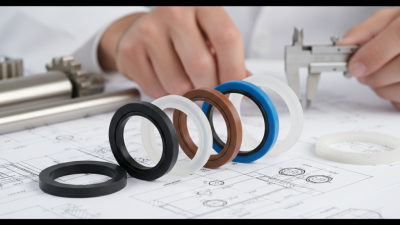
When selecting Flat Rubber Sealing Rings, several factors require careful consideration. These rings, crucial for preventing leaks, are widely used across various industries. According to a market research report from MarketsandMarkets, the global gasket and sealing market is projected to reach $32 billion by 2025, indicating a strong demand for quality sealing solutions.
Key aspects influence the effectiveness of Flat Rubber Sealing Rings. Material selection is vital; rubber compounds vary significantly in durability, temperature resistance, and chemical compatibility. According to the Rubber Manufacturing Association, the right choice can enhance equipment lifespan and reduce maintenance costs. However, many professionals overlook these specifications, often settling for generic options.
Customizing size and shape is equally important. A poor fit can lead to failures in sealing performance. There are cases where improper dimensions have resulted in costly repairs. Investing time in quality selection can save businesses both time and money. Ultimately, the decision should be informed by practical data and not just availability.
Understanding the Functionality of Flat Rubber Sealing Rings
Flat rubber sealing rings play a crucial role in various applications. They act as a barrier to prevent leakage of fluids or gases. Understanding their functionality is essential for selecting the right type. The rings compress when installed, creating a tight seal that protects against seepage. This reliability is vital in plumbing, automotive, and industrial settings.
The choice of material significantly impacts performance. Different compounds offer varying resistance to temperature and chemicals. It's important to assess the environment where the sealing ring will be used. Some materials may degrade quickly under harsh conditions. Therefore, testing chosen materials can reveal potential issues early on.
Installation also requires careful attention. Ensuring the surface is clean can improve sealing effectiveness. Misalignment can lead to leaks, rendering the sealing ring ineffective. It's worthwhile to reflect on these aspects before finalizing the selection. A small oversight in choosing or installing the rings can lead to significant problems down the line.
Key Materials Used in Flat Rubber Sealing Rings
When selecting flat rubber sealing rings, understanding the key materials involved is crucial. Common materials include nitrile rubber (NBR), silicone rubber, and EPDM. Each material has distinct properties. NBR, for instance, is known for its excellent oil resistance. It is widely used in automotive applications, where exposure to oil is frequent. A 2022 industry report indicated that NBR accounts for over 35% of the sealing ring market due to its versatility.
Silicone rubber stands out for its resilience in extreme temperatures. It can endure temperatures ranging from -60°C to 230°C. However, its resistance to petroleum-based products is limited. This makes silicone less suitable for specific applications, like fuel systems. Still, industries often choose it for food processing and medical devices. EPDM offers outstanding weather resistance and can withstand ozone and UV degradation. Yet, its performance with oils can be lacking.
Choosing the right material is not straightforward. Often, compromises must be made between cost, performance, and application requirements. Selecting the wrong type may lead to premature ring failure. Research shows that about 20% of sealing issues arise due to material incompatibilities. Thus, it's vital to assess both conditions and specifications before making a decision. Evaluate your needs closely, as one wrong choice could lead to higher replacement costs and safety concerns.
Essential Tips for Choosing Flat Rubber Sealing Rings - Key Materials Used in Flat Rubber Sealing Rings
| Material |
Temperature Resistance (°C) |
Chemical Resistance |
Applications |
| Nitrile Rubber (NBR) |
-40 to 120 |
Oils and Fuels |
Automotive, Aerospace |
| EPDM (Ethylene Propylene Diene Monomer) |
-50 to 150 |
Ozone, Weather |
Outdoor Applications, HVAC |
| Silicone Rubber |
-50 to 200 |
Many Chemicals |
Food Industry, Medical Devices |
| Viton (FKM) |
-20 to 200 |
Highly Corrosive Chemicals |
Oil and Gas, Aerospace |
| Neoprene |
-40 to 100 |
Mild Acids, Oils |
General Sealing, Refrigeration |
Common Applications of Flat Rubber Sealing Rings
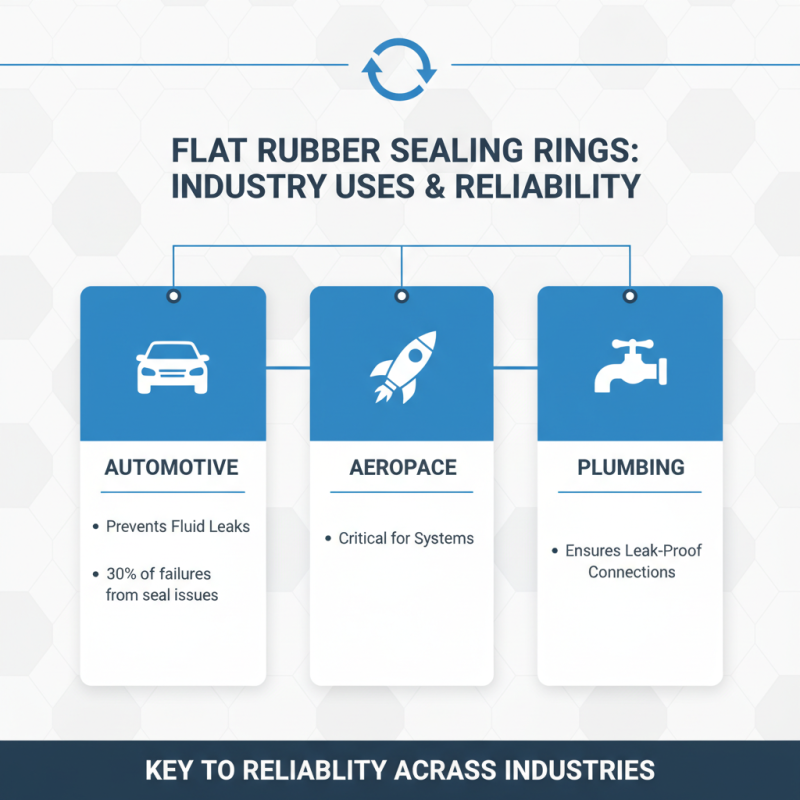
Flat rubber sealing rings are widely used across various industries. Common applications include automotive, aerospace, and plumbing. In the automotive sector, these rings help prevent fluid leaks. According to a recent industry report, around 30% of automotive failures are due to seal failures. This highlights their significance in ensuring vehicle reliability.
In the aerospace industry, flat rubber sealing rings are critical for maintaining pressure integrity in aircraft systems. They are essential in fuel systems, hydraulic lines, and cabin pressurization. A study indicated that proper sealing can improve system efficiency by up to 25%. However, challenges remain. In some cases, environmental factors can degrade sealing performance over time.
Plumbing applications also rely heavily on these rubber seals. They frequently help in faucets, pipes, and fittings. A significant percentage of leaks arise from worn-out seals, often leading to costly water damage. While it’s tempting to overlook seal maintenance, the impact on overall performance is significant. Choosing the right sealing ring requires careful consideration of material, size, and application. Adapting to the specific requirements is essential for long-lasting reliability.
Maintenance Tips for Longevity of Flat Rubber Sealing Rings
Flat rubber sealing rings are essential in various industries. Proper maintenance extends their lifespan. Regular inspection is crucial. Look for signs of wear or damage. Cracks and distortions can indicate fatigue. According to industry reports, timely replacement of worn rings can prevent leaks, reducing overall operational costs by up to 30%.
Cleaning the seals is also important. Use mild detergents. Avoid harsh chemicals that can degrade rubber. A gentle wash can enhance performance. Dry them completely before installation. Moisture can lead to corrosion and subsequent failure. Data suggests that 40% of sealing failures stem from improper cleaning and installation practices.
Storage is another factor. Keep rings in a cool, dry place to prevent deterioration. Excessive heat or sunlight can weaken the material. Look out for deformities during storage. Improper storage conditions can lead to premature aging. Regular training on handling and installation can mitigate these risks. Understanding these nuances is vital for maintaining operational efficiency.
Essential Tips for Choosing Flat Rubber Sealing Rings
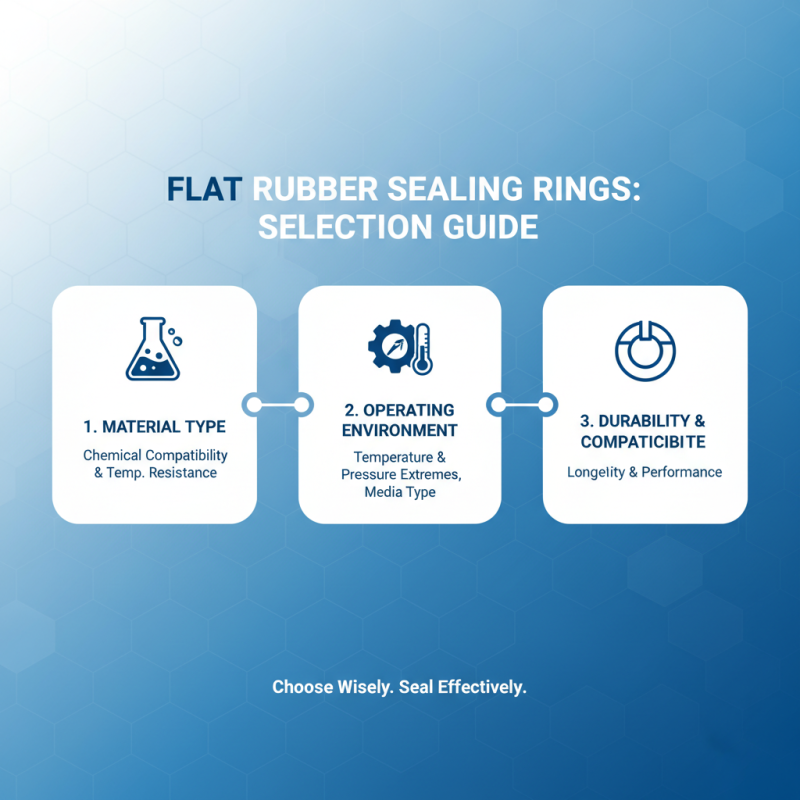
This chart illustrates the importance levels of various factors to consider when choosing flat rubber sealing rings. Each factor is rated on a scale of 1 to 10, helping to highlight the key areas to focus on for optimal performance and longevity.