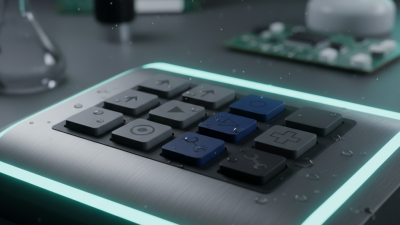
Choosing the right Elastomer Keypad in 2026 means looking beyond price and button count. Buyers need to match keypad construction to its environment, expected use, and control requirements. A handheld instrument may need compact keys with crisp tactile feedback. A factory panel may need sealed surfaces, clear legends, and dependable operation after repeated cleaning. Small details matter: key travel, dome shape, silicone hardness, and the feel of a gloved fingertip.
Common options include molded silicone keypads, conductive-carbon-contact designs, metal-dome assemblies, backlit keypads, and custom-molded layouts. Each serves a different purpose. Conductive pills can offer a simple, economical interface. Metal domes can create a sharper snap. Backlighting helps in dim spaces, but adds design and integration choices. No type wins in every application. That deserves a second look.
A useful expert quotation should come from a verifiable source, rather than being invented for this guide. Insert a confirmed statement here: “[Exact quotation about elastomer keypad selection or design.]” — [Expert Name], [professional title and organization]. The attribution should be checked against an interview, published article, or company source before publication.
This guide compares the leading types through practical buyer questions: How often will the keys be pressed? Will dust, moisture, or cleaning chemicals reach the panel? Does the user need a quiet touch or a firm tactile response? Clear answers can narrow the shortlist. Still, specifications alone are not enough. A sample pressed repeatedly on a workbench may reveal more than a polished drawing.
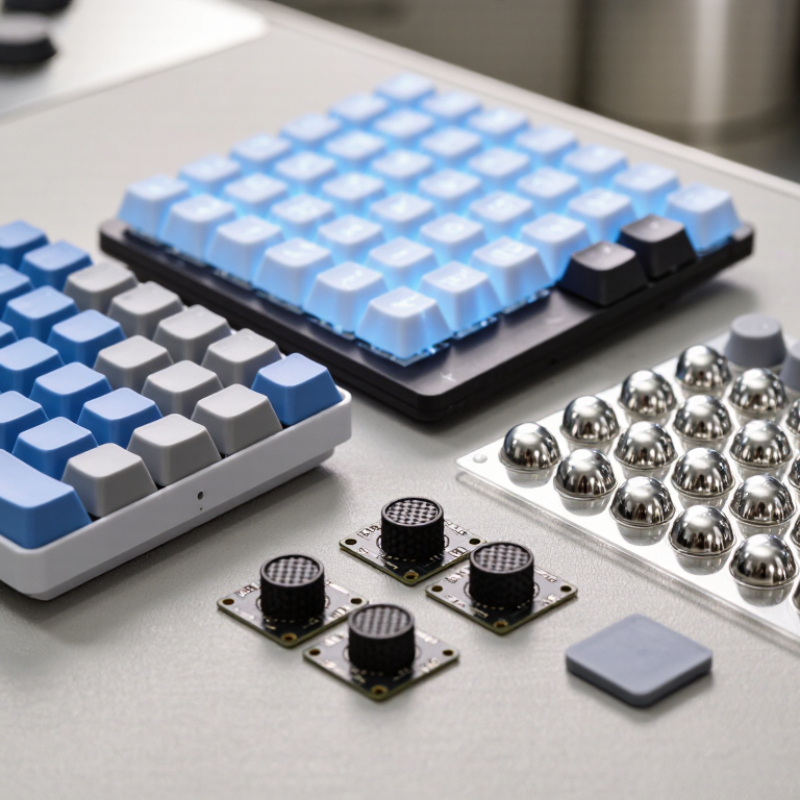
Elastomer keypads are flexible switches, usually molded from silicone rubber. Each key sits above a small contact area on a circuit board. Pressing the key bends its rubber dome and moves a conductive carbon pill underneath. The pill bridges two contacts, completing the electrical circuit and registering a press. Release the key, and the dome springs back. Simple, but not effortless.
That spring-back creates the familiar tactile response. Designers can adjust key shape, rubber thickness, and dome geometry to change how much force a press needs. Some keypads use metal domes or conductive ink instead of carbon pills. The right construction depends on the device, expected use, and board layout. A handheld meter, for example, may need raised keys that remain easy to feel with work gloves.
The rubber sheet can also help keep dust and splashes away from internal contacts, especially when its edges are properly sealed. But a keypad’s feel and durability depend on more than the material alone. Repeated presses, heat, cleaning fluids, and poor assembly can affect performance. Test real samples. Lab measurements do not always match the feel of a finished device. A small detail matters: key spacing can affect accuracy as much as the dome itself.
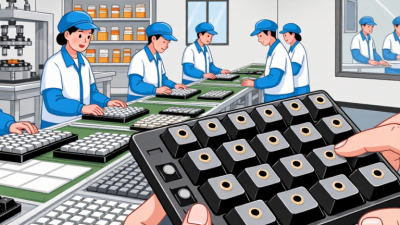
Elastomer keypads are commonly molded from silicone rubber because it flexes repeatedly and can hold fine surface details. The material’s hardness affects how each key feels and how much force it needs. Softer silicone may feel comfortable, but it can make keys less crisp. Feel matters.
Other elastomers, including EPDM and thermoplastic elastomers, may suit specific environments or manufacturing needs. Material choice should account for heat, cleaning agents, UV exposure, and expected key presses. A datasheet helps, but testing samples under real conditions is more reliable.
The structure does more than support the keytops. A molded web connects each key and controls its travel, while conductive carbon pills beneath the keys close circuits on a printed circuit board. Some designs add metal domes for a sharper tactile response. Backlighting may use translucent silicone or a separate light guide. Each added layer affects thickness and assembly.
Small details can change performance. Key spacing, web thickness, and the carbon contact area all influence feel and electrical response. A keypad that works well on a bench may feel different inside its enclosure. That gap deserves a closer look. Builders should test the complete assembly, not just the silicone part, and document results across temperature and repeated use.
Elastomer keypads differ in how they signal a press, conduct electricity, and handle wear. Tactile-web designs use a molded dome that snaps beneath the key; users feel a distinct click, useful when operating controls by touch. Non-tactile versions have a softer, quieter travel, but provide less physical feedback. Conductive-carbon pills close circuit contacts without separate metal parts. They are compact and practical, though contact performance depends on the pill and circuit-pad design.
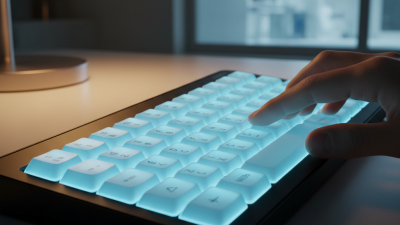
Backlit keypads use translucent silicone, with legends or selected areas allowing light through. Opaque coatings can improve contrast and protect printed markings, but may wear at frequently pressed keys. Hybrid designs combine silicone buttons with metal domes for a sharper click. They add parts and assembly steps. No type wins every time.
For market context, Grand View Research estimated the global silicone elastomers market at about US$8.7 billion in 2022, with projected annual growth of 7.4% through 2030. This figure covers many uses, not keypad sales alone. Still, it reflects the material’s broad industrial role. Buyers should compare force-to-actuate, key travel, legend durability, and resistance to dust or moisture against actual use conditions. A keypad tested with gloves or wet fingers may feel different from one assessed on a clean sample. Small details matter.
| Keypad Type | Construction and Switching Method | Distinguishing Features | Common Advantages | Considerations | Typical Applications |
|---|---|---|---|---|---|
| Carbon-Pill Silicone Keypad | Molded silicone keys use conductive carbon pills that bridge contacts on a printed circuit board when pressed. | Provides a familiar tactile response; the pill-to-contact interface is a widely used switching approach. | Durable molded construction, flexible layout options, and suitability for sealed control panels. | Contact resistance and switching performance depend on the pill, circuit-pad design, and operating conditions. | Handheld instruments, appliance controls, industrial panels, and remote controls. |
| Metal-Dome Silicone Hybrid | Silicone keys are combined with metal snap domes, which make and break the electrical circuit when pressed. | The dome provides a distinct snap sensation and can deliver a more pronounced tactile response than a basic rubber contact. | Clear feedback for the user and compatibility with compact keypad assemblies. | Requires careful dome, key, and circuit alignment; the dome layer adds assembly considerations. | Portable electronics, control units, and interfaces where positive key feedback is important. |
| Conductive-Ink Contact Keypad | Conductive material is applied to the underside of each silicone key and makes contact with circuit traces when pressed. | Uses printed conductive contacts rather than a separate carbon pill or metal dome. | Can support compact designs and reduce the need for separately placed contact components. | Ink formulation, contact geometry, and wear behavior should be evaluated for the intended duty cycle. | Low-profile controls, consumer devices, and compact electronic equipment. |
| Backlit Translucent Silicone Keypad | Translucent or selectively opaque silicone keys are paired with LEDs or another light source beneath the keypad. | Light can pass through legends or defined areas of the keys for visibility in dim conditions. | Improves nighttime or low-light legibility and supports illuminated interface designs. | Requires attention to light distribution, legend masking, and the available space for the light source. | Medical and industrial instruments, vehicle controls, and equipment used in low-light settings. |
| Sealed Silicone Keypad | A molded silicone keypad or keypad-and-panel assembly uses design features such as a continuous perimeter seal to limit ingress around the controls. | Emphasizes environmental protection at the keypad interface; the achieved protection depends on the complete assembly. | Can help protect internal electronics from dust, moisture, and routine cleaning exposure when properly engineered. | Ingress protection is not determined by the silicone keypad alone; enclosure design, bonding, and testing matter. | Outdoor equipment, industrial controls, and devices exposed to frequent cleaning. |
| Overmolded Silicone Keypad | Silicone is molded over or bonded to a supporting component, such as a rigid carrier or panel, to create an integrated interface. | Combines the soft, flexible key surface with a supporting structure in one assembled component. | Can simplify handling and support integrated designs with defined alignment or mounting features. | Material compatibility, bonding method, and tooling design need to be considered during development. | Custom industrial controls, handheld devices, and assemblies requiring integrated mounting features. |
Buyer note: Select a keypad based on required tactile feel, operating environment, lighting needs, expected use, and the design of the complete electronic enclosure. Protection and service life should be verified for the finished assembly and its intended conditions.
Elastomer keypad selection starts with the feel and environment users will encounter. Standard molded silicone keys are quiet, flexible, and suited to handheld controls or equipment panels. Conductive carbon pills close a circuit when pressed, offering a simple switching method for frequent use. They work well when moderate tactile feedback is acceptable. The feel can be subtle. Metal-dome and silicone hybrids add a sharper snap beneath the soft key surface. They may suit medical instruments or industrial controls where clear confirmation matters. That trade-off is easy to underestimate.
Backlit elastomer keypads use translucent key areas to guide operation in dim spaces, but lighting can affect cost, power use, and layout choices. Sealed designs can resist dust and splashes when their geometry and assembly are properly engineered; the keypad material alone does not guarantee protection. Check actuation force, travel, expected press cycles, and cleaning conditions against the actual application. A firm key may work well with gloves, yet tire users during rapid data entry. Prototype the intended layout. Then test it with real users, since a specification sheet cannot fully describe comfort.
Choosing an elastomer keypad in 2026 starts with its operating conditions, not its appearance. For an outdoor handheld meter, check silicone hardness, key travel, and gaps where dust or moisture may enter. A soft dome can feel comfortable but provide weak feedback in a noisy room. Test it.
Match the keypad structure to the interface. Carbon pills suit simple PCB contacts; metal domes can deliver a sharper tactile response, while conductive coatings may help maintain reliable contact. Ask for force-and-travel curves, contact-resistance data, and life-cycle results from the intended assembly, rather than relying only on generic catalog figures. Small details matter.
Check environmental and production constraints early. UV exposure, oils, cleaning agents, temperature swings, and gloves can affect feel or legibility. If illumination is needed, verify symbol brightness across every key; legends may appear uneven. Confirm order quantities, tooling ownership, and replacement availability, since a low unit price can hide future costs. I would still prototype: specifications rarely reveal a mushy return or a key that catches at its edge.