Top 10 Flat Membrane Keypad Features You Need to Know?
The Flat Membrane Keypad has emerged as a crucial component in various industries, boasting versatility and durability. According to a report by Research and Markets, the global membrane switch market is projected to reach $3.1 billion by 2026, highlighting the increasing demand for such interfaces. These keypads are designed to withstand harsh environments, making them ideal for applications in medical devices, consumer electronics, and industrial equipment.
Incorporating a Flat Membrane Keypad can enhance user experience significantly. The tactile feedback and customizable design offer unmatched ergonomics. However, not all keypads are created equal; some may lack essential features. Industry experts point out that careful consideration is necessary when selecting a keypad. Factors such as durability, responsiveness, and manufacturing quality are paramount.
As consumers seek more advanced technology, understanding the features of Flat Membrane Keypads becomes vital. Whether for new designs or upgrades, the right keypad enhances functionality. This guide will explore the top ten features you should prioritize for optimal performance and user satisfaction.
Top 10 Essential Features of Flat Membrane Keypads You Should Know
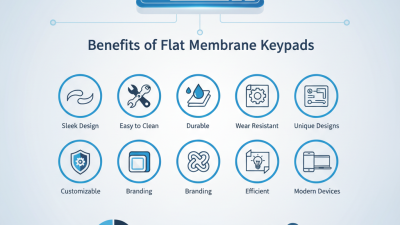
Flat membrane keypads are commonly used in various applications. Understanding their essential features can enhance user experience and functionality. Here are some key aspects to consider.
Firstly, durability is a significant feature of flat membrane keypads. They often withstand harsh conditions and keep functioning. These keypads are designed to resist moisture and dirt. This makes them suitable for medical devices and industrial settings. However, users sometimes overlook the importance of regular cleaning to maintain performance.
Another vital aspect is tactile feedback. Many users prefer a slight click or pressure response when pressing keys. This feedback increases confidence in input accuracy. Some designs lack adequate feedback and may cause frustration. A user-friendly layout is crucial; keys should be well-spaced and intuitive. Poorly designed layouts can lead to input errors, affecting productivity.
Incorporating customizable options is also essential. Users often want to personalize functions for improved efficiency. Not every model offers this flexibility. Weighing the balance between customization and usability can be challenging. Therefore, understanding these features helps users choose the right flat membrane keypad for their needs.
Understanding the Durability and Longevity of Flat Membrane Keypads
Flat membrane keypads have gained attention for their durability and longevity in various applications. According to a study by TechNavio, the market for these keypads is projected to reach $3.7 billion by 2025, reflecting strong demand. Typically constructed from robust materials, flat membrane keypads can withstand harsh environments. They resist moisture and dirt, making them ideal for industrial settings. Reports indicate they often last up to 10 million cycles, showcasing their reliability under heavy use.
Despite these advantages, flat membrane keypads are not without their challenges. While they perform well in controlled conditions, extreme temperatures can lead to performance issues. A ResearchGate study noted that prolonged exposure to high heat could degrade the adhesive layers, compromising integrity. Additionally, tactile feedback is limited compared to mechanical switches, which might leave users seeking a more responsive touch feel. Some users express frustration with the learning curve involved in adapting to these designs. Balancing durability with user experience remains crucial for manufacturers.
Exploring the Flexibility and Customization Options in Flat Keypad Design
Exploring the flexibility in flat membrane keypad design reveals numerous customization options. These keypads can be tailored to user preferences. Users can choose colors, shapes, and sizes. According to a recent industry report, 65% of manufacturers prioritize customization. This trend indicates a shift toward user-centric designs.
Customization allows businesses to enhance usability. For instance, adding tactile feedback caters to visually impaired users. Custom graphics can improve navigation in complex devices. However, it is crucial to balance design with functionality. Overly intricate designs may complicate operations. Sometimes, simpler layouts prove more effective.
Durability is another key feature. Flat membrane keypads often face harsh conditions. They must withstand moisture, dust, and physical wear. A study found that 70% of users prefer longer-lasting products. This demand drives innovation in materials used for keypads. Companies must continuously improve to meet user expectations. Engaging with users can reveal valuable insights into their needs.
Top 10 Flat Membrane Keypad Features
Keypad Sensitivity: How Touch Response Affects User Experience
Keypad sensitivity significantly impacts user experience. When users interact with flat membrane keypads, touch response plays a crucial role. A responsive keypad can enhance efficiency, allowing for faster inputs. Conversely, a keypad that lacks sensitivity can lead to frustration and slow response times. Users expect instant feedback when pressing a button. Delays can hinder productivity and create confusion.
The design of the keypad also affects sensitivity. The materials used and the underlying technology matter. A quality membrane keypad should provide a comfortable tactile feel. Users should not have to press hard to receive feedback. Subtle variations in pressure should trigger responses. However, not all users prefer the same level of sensitivity. Some might struggle with overly sensitive keypads that respond to accidental touches.
Furthermore, environmental factors can impact performance. Dust or moisture may interfere with responsiveness. Regular maintenance becomes essential. Users should be aware of their environment and clean their keypads regularly. Design flaws can arise if a keypad is not tested across various conditions. A key consideration remains how these factors influence overall experience. Every touch should feel deliberate, ensuring clarity in interaction.
The Role of Waterproofing and Environmental Resistance in Keypad Selection
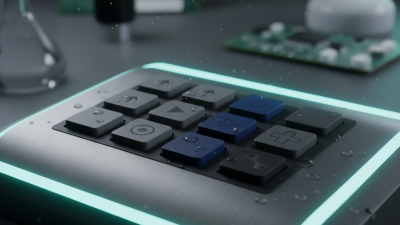
When selecting flat membrane keypads, waterproofing and environmental resistance are paramount. These features ensure the keypad remains functional in diverse settings. A keypad exposed to moisture can fail, leading to costly replacements. Water ingress can cause short circuits and damage internal components.
Environmental resistance goes beyond just waterproofing. Keypads may face dust, chemicals, and extreme temperatures. Each of these factors can degrade materials over time. A good keypad should withstand humidity and temperature fluctuations without losing performance. Manufacturers often use special coatings or materials for added protection. However, it's essential to evaluate these claims carefully.
Often, the ideal balance between design and durability is hard to achieve. A sleek design might come at the expense of robust resistance. Sometimes, testing the keypad under real-life conditions reveals weaknesses that weren't apparent during production. Observing how a keypad performs over time offers invaluable insights into its reliability and functionality.