Leave Your Message

2026 Top Neoprene Washers How to Choose the Right Type?

Choosing a washer can seem like a small detail. It is not always. A leak around a roof screw, a rattling panel, or a compressed seal can trace back to the wrong washer. This guide to 2026 Neoprene Washers explains how to compare types and select one for the job, rather than relying on appearance alone.

Start with the application. Will the washer face rain, vibration, sunlight, oil, or repeated compression? Neoprene can provide useful cushioning and sealing, but performance depends on its formulation and operating conditions. Check the product’s stated temperature range and chemical compatibility. Then confirm the inner diameter, outer diameter, and thickness against the fastener and mounting hole. A washer that looks close may still sit poorly or leave too little sealing area.

Small measurements matter. A caliper helps verify dimensions, while a product data sheet can clarify hardness and material limits. Consider the surface, too: a painted panel, a rough flange, and a flexible enclosure may need different levels of support. Tightening force matters as well. Too little may leave a gap; too much can distort the washer and reduce its useful life. And quick guesses often fail here. When conditions are unusual, ask the supplier for application guidance and test a sample assembly before ordering in volume. The right choice is rarely the thickest or cheapest option. It is the washer that fits, seals, and holds up under the actual conditions.
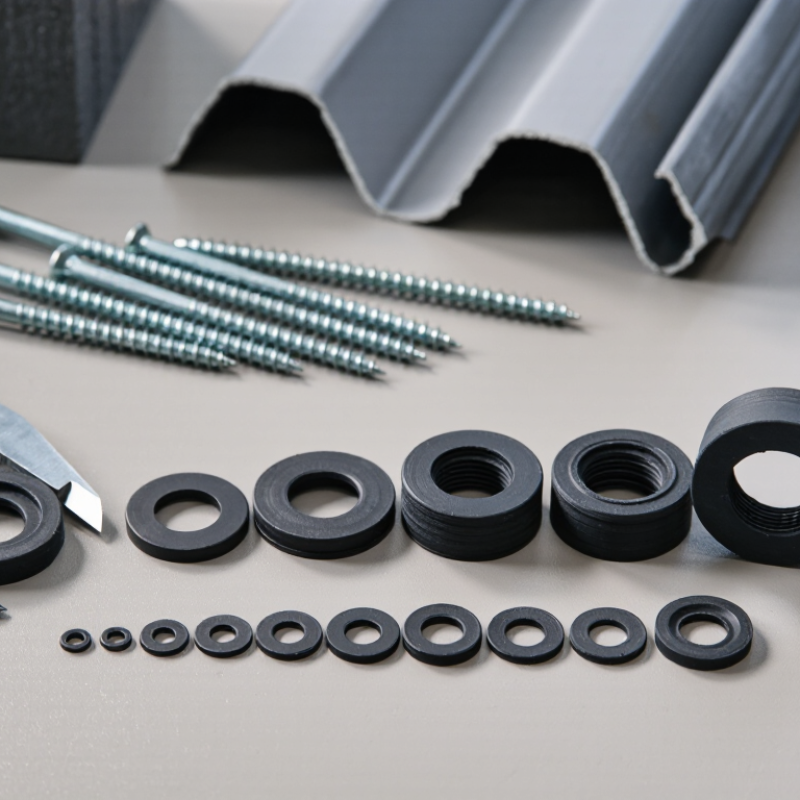
2026 Top Neoprene Washers How to Choose the Right Type?

What Neoprene Washers Are and How They Work

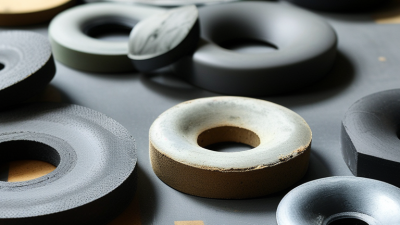
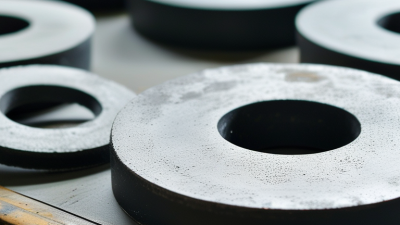
Neoprene washers are flat, flexible rings made from synthetic rubber. They sit beneath a bolt head, nut, or screw, creating a cushion between the fastener and the surface. Neoprene can compress and recover, helping the washer fill small gaps and reduce water or dust entry. It also softens vibration and helps protect painted or delicate panels from direct metal contact. A small part. A useful one.

When a fastener is tightened, the washer compresses against both surfaces. This contact pressure forms the seal; the washer does not work like glue. A clean, flat mating surface helps it seal more evenly. Tighten too little, and gaps may remain. Tighten too much, and the rubber can bulge, split, or lose its shape. That is easy to overlook. Neoprene generally handles outdoor exposure and some oils, but compatibility depends on the specific fluid, temperature, and compound. For a real installation, check the washer’s dimensions and material data, then inspect it after tightening. I would not assume one washer suits every job.
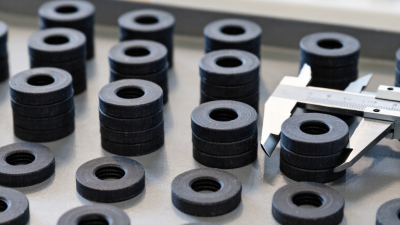

Key Properties That Affect Neoprene Washer Performance

Key Properties That Affect Neoprene Washer Performance

A neoprene washer seals through controlled compression, not hardness alone. ASTM D2240 specifies the durometer method used to measure Shore A hardness; the result helps compare compounds, but does not predict sealing force by itself. A harder washer may resist deformation, yet fail to conform to a rough flange. Check thickness, inside diameter, and edge finish against the actual joint. Small mismatches matter. A washer that looks right on a bench can leak after tightening.

Compression set is another key property: it measures how much thickness remains lost after sustained compression. ASTM D395 Method B uses 25% deflection, while test temperature and duration must also be reported for meaningful comparisons. ASTM D2000 classifies rubber by specified physical and resistance requirements; it does not make every neoprene compound interchangeable. Ask for test results on the exact compound, especially for heat, oil, or weather exposure. A material chart is useful, but it can hide the joint’s real conditions. Measure the mating surfaces, note the service temperature, and compare like-for-like test data before choosing.

2026 Top Neoprene Washers: How to Choose the Right Type? — Key Properties That Affect Neoprene Washer Performance

Compare common neoprene washer characteristics with your operating conditions. The ranges below are general guidance; actual performance depends on the compound, washer dimensions, manufacturing process, and installation.

Washer Type or Selection Profile Typical Hardness Useful Characteristics Best-Fit Applications Key Limitation to Check Selection Guidance
General-purpose neoprene Commonly about 50–70 Shore A Balanced flexibility, water resistance, and resistance to weathering and moderate oils General sealing, vibration isolation, and hardware exposed to outdoor conditions Compatibility varies with the specific fluid, temperature, and compound formulation Use as a starting point when exposure and load are moderate and no specialized chemical resistance is required
Soft, conformable sealing profile Often about 40–60 Shore A More readily conforms to minor surface irregularities at a given compression Low-pressure seals and assemblies where the mating surfaces are not perfectly smooth May deform more under sustained compression or high bolt loads Check compression, extrusion clearance, and whether the washer will be over-tightened
Firm, load-supporting profile Often about 60–80 Shore A Greater resistance to deformation under load than softer grades Fastener assemblies and applications needing a firmer spacer or cushioning layer May conform less readily to uneven surfaces and may provide less sealing at low compression Match hardness and thickness to the clamping load; verify that the contact surfaces are sufficiently flat
Oil-exposure selection profile Compound-dependent; commonly specified within roughly 50–80 Shore A Neoprene compounds can offer resistance to some oils and greases Equipment exposed to limited or intermittent contact with compatible oils Resistance is not universal; oil type, additives, temperature, and exposure duration matter Confirm compatibility using the exact fluid and service conditions, rather than relying on the material name alone
Outdoor and weather-exposure profile Compound-dependent; commonly specified within roughly 50–70 Shore A Neoprene generally performs well against ozone and weathering compared with many general-purpose elastomers Outdoor fasteners, enclosures, and equipment exposed to sunlight and changing weather UV, heat, and long-term exposure can still age rubber; formulation and installation affect service life Review the supplier’s aging and environmental data for continuous outdoor exposure
Electrical insulating washer profile Specified by the application; hardness alone does not establish insulation performance Neoprene is electrically insulating in many applications Assemblies requiring separation between conductive parts, when the electrical requirements are modest Voltage rating, dielectric properties, moisture, temperature, and washer thickness must be assessed Use documented electrical test data and suitable safety margins for the intended voltage and environment
Temperature-sensitive selection Choose hardness separately from temperature suitability Many neoprene compounds are used over an approximate range of −40°C to +100°C Applications within the selected compound’s documented temperature limits Usable limits vary by formulation; heat can accelerate aging and cold can reduce flexibility Check the compound specification for continuous and intermittent temperature limits at the actual load
Custom thickness or diameter Selected independently of dimensions Correct inner diameter, outer diameter, and thickness help control fit, sealing area, and compression Non-standard fasteners, oversized sealing surfaces, or limited installation space Incorrect dimensions can cause poor sealing, tearing, excessive bulging, or interference Specify inner diameter, outer diameter, thickness, tolerances, and the mating surface dimensions

Note: Shore A values and temperature ranges are indicative rather than universal specifications. For critical service, request compound-specific test data and confirm fluid compatibility, compression set, dimensions, and required sealing load.

Common Neoprene Washer Types and Their Best Uses

Neoprene washers come in several forms, and the right choice depends on what the joint must do. A plain flat washer suits general cushioning and light sealing under a bolt head or nut. It can help protect painted panels from scratches and reduce vibration around equipment covers. Check the hole and outer diameter carefully; a washer that shifts during tightening may leave part of the joint exposed.

Bonded sealing washers combine a metal ring with a neoprene layer. The metal spreads the fastener’s load, while the rubber compresses against the surface to help limit water entry. They are common on outdoor enclosures and sheet-metal panels. Tighten evenly, not excessively. Too much compression can deform the rubber and weaken the seal. Small detail, big effect.

Shouldered neoprene washers have a raised inner sleeve that can center a fastener and separate it from a panel. They are useful where rubbing or electrical contact is a concern, though they are not a substitute for a verified insulation design. Neoprene grades differ in hardness, thickness, and resistance to heat, oils, and sunlight. Check the product data against the actual environment. A quick fit test helps, but it cannot replace checking long-term compression and compatibility.

How to choose: Select a flat washer for general sealing and surface protection, a fender washer when a wider load-bearing area is needed, a bonded washer for sealing beneath a fastener head, or a shoulder washer for electrical isolation and surface protection. The chart shows common functions, not a performance rating; actual suitability depends on dimensions, load, temperature, and the application.

How to Choose the Right Washer Size and Thickness

Choosing the right neoprene washer starts with measuring the bolt and the space around it. Check the inner diameter, outer diameter, and thickness with a caliper. The inner hole should clear the bolt without shifting excessively. The outer edge should cover the contact area and sit flat beneath the bolt head or nut. A washer that is too small may leave part of the joint exposed.

Thickness affects both sealing and fit. A thin washer suits a tight assembly with limited clearance, while a thicker one can accommodate uneven surfaces or small gaps. Too much thickness may reduce thread engagement or make the joint unstable. There is no universal thickness for every application; material hardness and expected pressure also matter. I have seen dimensions look right on paper, yet the washer still bulged after tightening.

Tips: Measure the joint, not just the fastener. Check the actual joint. Do not guess. Compare your measurements with the supplier’s dimensional data, then test a sample under normal assembly conditions. Tighten evenly and avoid crushing the neoprene. If the washer must seal against fluid or weather, inspect it after installation and again after initial use. A small fit problem can be easy to miss.

How to Match Washer Grade to Your Operating Conditions

2026 Top Neoprene Washers: How to Choose the Right Type?

How to Match Washer Grade to Your Operating Conditions

A washer grade should match the conditions at the joint, not just the bolt size. Start with temperature, fluid contact, sunlight, and compression. A washer beneath an outdoor equipment panel may face ozone and rain, while one inside a pump housing may encounter oil and heat. Neoprene compounds vary, so “neoprene” alone does not confirm suitability. Check the supplier’s compound data and recommended temperature range.

Next, consider hardness and thickness. A softer washer can conform to a slightly uneven surface, but excessive bolt pressure may squeeze it out. A harder grade may hold its shape better under load, yet seal poorly on a rough flange. Measure the gap and check the required clamping force. Grade labels may also differ between suppliers. That can be confusing, and it is worth verifying rather than guessing.

Tips: Match chemical exposure to a compatibility chart, and confirm the actual operating temperature. For critical seals, test a sample under real pressure and fluid contact. Inspect for swelling, cracks, or permanent flattening after service. Small details matter. A washer that works on the bench may behave differently after months of vibration and heat.