Best Tips for Choosing Neoprene Washers for Your Projects?
When embarking on a project, selecting the right materials is crucial. Neoprene washers stand out due to their versatility and durability. These rubber-like components are particularly effective in sealing applications, making them essential in plumbing, automotive, and electrical projects.
Understanding the specifications of neoprene washers can enhance your project's success. Consider factors such as size, thickness, and temperature resistance. Regardless of your experience level, making informed choices is vital. It’s common to overlook minor details, leading to unexpected complications down the line.
In a world of countless options, the right neoprene washers can significantly impact the integrity of your work. Keep an eye on the quality of materials, as the best choices often reflect in your results. The process of selecting neoprene washers may not be perfect, but reflection can guide you toward a better outcome.
Understanding Neoprene Washers: Material Properties and Advantages
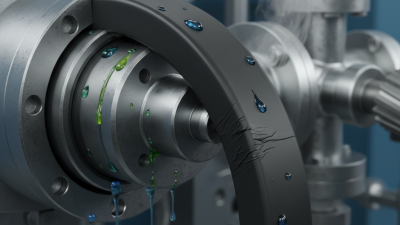
Neoprene washers are vital components in many projects due to their unique material properties. These washers are made from a synthetic rubber that is resistant to water, oil, and various chemicals. This resilience makes them ideal for marine applications and plumbing projects. Their ability to withstand extreme temperatures contributes to their versatility. However, it's essential to recognize that not all neoprene washers are created equal. Different formulations can affect durability and performance.
When selecting neoprene washers, consider the specific requirements of your project. The thickness and diameter must match the application to ensure proper sealing. Look for options that offer flexibility and compression resistance. However, some lower-quality washers may degrade faster in certain environments. It's crucial to source from reliable suppliers to avoid pitfalls. Check certifications and user reviews to gauge quality.
Moreover, be aware that neoprene can be affected by prolonged exposure to UV light. This detail often gets overlooked. After all, even the best materials have their limits. Assess the conditions your washers will face. Making informed choices can prevent future issues. Testing a few different types may be necessary to identify the best match for your needs. Balancing quality and cost is always a challenge worth considering.
Key Factors to Consider When Choosing Neoprene Washers for Projects
When selecting neoprene washers for your projects, consider several key factors. Neoprene is known for its durability and flexibility, making it suitable for many applications. Look for washers that can withstand temperature variations from -40°F to 212°F. This range ensures that they perform effectively in various environments.
Understanding the specific thickness needed for your project is crucial. Thicker washers offer enhanced sealing capabilities, while thinner ones can provide optimal flexibility. According to industry data, nearly 70% of neoprene washer failures originate from improper sizing. Therefore, measure accurately and choose sizes that match your project's requirements.
Regarding material quality, always check for commercial-grade neoprene. Lower-grade options may not withstand harsh conditions. Pay attention to the durometer rating, which measures hardness. A durometer of 60-70 is often ideal for standard applications.
Tips:
- Choose washers with a snug fit to avoid leaks.
- Test in your specific environment before full deployment.
- Always keep a variety of sizes on hand for flexibility in your projects.
Making informed decisions about neoprene washers can greatly enhance the success of your projects.
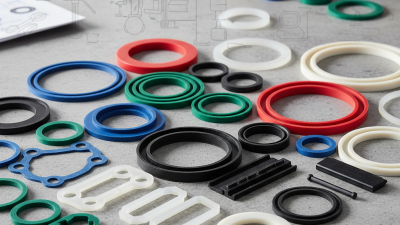
Different Types of Neoprene Washers and Their Specific Applications
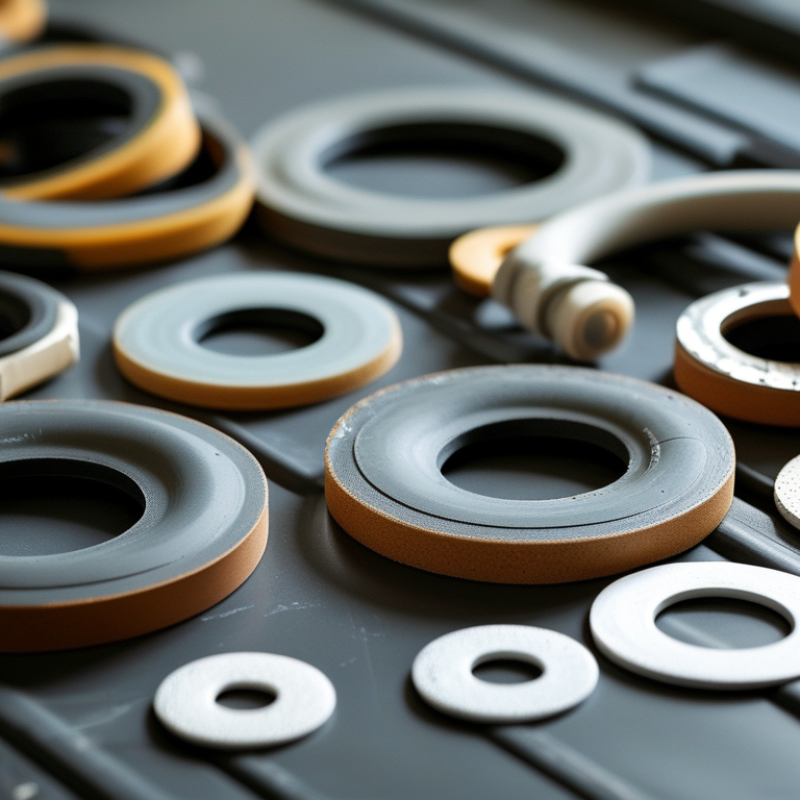
Neoprene washers are versatile components used in various applications. Understanding the different types is crucial for selecting the right one. Solid neoprene washers are ideal for providing a tight seal in plumbing fittings. They resist water and chemicals effectively, making them suitable for outdoor use.
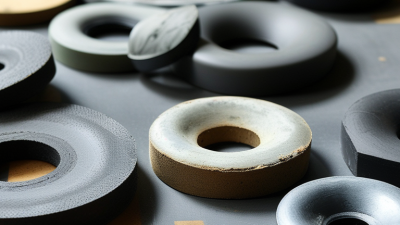
Foam neoprene washers, on the other hand, offer cushioning properties. They absorb shock and reduce vibration, fitting well in automotive and machinery applications. However, users may find that foam types wear out faster under certain conditions. Choosing the correct thickness and density can help mitigate this issue.
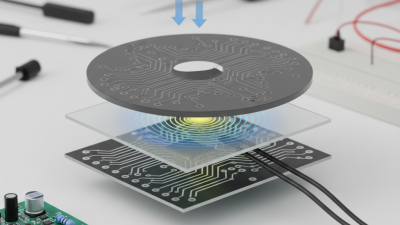
For electrical projects, consider using neoprene washers with enhanced insulation properties. These can prevent electrical contact and reduce noise. Be cautious, though. Every application has its requirements. If the wrong washer is selected, it can lead to inefficiencies or failure. Always assess the specific needs of your project before making a decision.
Best Tips for Choosing Neoprene Washers for Your Projects
| Type of Neoprene Washer |
Diameter (mm) |
Thickness (mm) |
Temperature Resistance (°C) |
Specific Applications |
| Standard Neoprene Washer |
10 |
1.5 |
-20 to 70 |
General purpose sealing and cushioning |
| Weather-Resistant Neoprene Washer |
15 |
2 |
-30 to 80 |
Outdoor applications, exposed to elements |
| Oil-Resistant Neoprene Washer |
20 |
3 |
-20 to 100 |
Automotive and machinery applications |
| High-Temperature Neoprene Washer |
25 |
2.5 |
-40 to 120 |
Electrical applications, high-heat environments |
| Custom Neoprene Washer |
Varied |
Varied |
-20 to 100 |
Special projects requiring specific dimensions |
Sizing and Thickness: How to Select the Right Fit for Your Needs
When selecting neoprene washers, sizing and thickness are crucial factors. Neoprene, known for its resistance to water and heat, often serves in various applications, from plumbing to automotive. Industry data indicates that a majority of failures in applications arise from improper fit. A washer that is too thick may create unnecessary pressure and deformation. Conversely, a washer that is too thin might not provide adequate sealing.
Understanding the specific dimensions needed for your project is vital. For instance, a 1-inch neoprene washer could have different thickness requirements based on the bolt size and the application pressure. According to a report by the American Society for Testing and Materials, proper sizing can greatly enhance durability and performance. Yet, many users overlook the importance of precise measurements. They may select washers based solely on convenience or cost, leading to potential leaks and damages.
Thickness options can range from 1/16" to 1/4". Determining the right thickness involves considering the application and environmental exposure. An incorrect thickness can lead to premature wear and service failures. Always refer to manufacturer guidelines or industry standards for the best results. A well-suited neoprene washer can last significantly longer and perform better, making thoughtful selection essential.
Common Misconceptions About Neoprene Washers You Should Know
When dealing with neoprene washers, many misconceptions can lead to poor decisions. One common belief is that all neoprene washers are the same. In reality, they vary in composition, density, and thickness. According to industry standards, neoprene offers different grades, which can significantly influence performance. High-grade neoprene is often more durable and resistant to weathering compared to lower grades.
Another misunderstanding is related to temperature tolerance. Some users assume that neoprene can withstand extreme temperatures without issue. However, studies indicate that neoprene's effectiveness declines outside a specific temperature range. The material typically performs best between -40°F to 220°F. Exceeding these limits may lead to degradation, affecting the washer's sealing capability.
Lastly, many underestimate the importance of proper installation. Even the highest quality washers can fail if not installed correctly. A report from the American Society of Mechanical Engineers emphasizes that improper torque specifications can compromise the performance of the washer. Understanding these aspects can help in making informed choices, ensuring the neoprene washers serve their intended purpose effectively.