2026 Top Trends in Embossed Membrane Keypads for Buyers?
As the world moves towards more advanced technologies, the demand for high-quality input devices grows. The **Embossed Membrane Keypad** industry stands at the forefront of this evolution. Industry expert Dr. Anna Lee notes, “Understanding the future trends in embossed membrane keypads is essential for staying competitive.”
In 2026, buyers should anticipate significant changes. Key trends will focus on durability, customization, and user experience. The materials used are evolving. More sustainable options may appear on the market, reflecting a growing environmental consciousness. Alongside this, designs will become more ergonomic to enhance usability. Buyers must remain vigilant, as the right choices can lead to substantial advantages.
Yet, challenges exist. Not all manufacturers prioritize quality. Buyers may face confusion in a crowded market. A well-informed decision requires research and expert opinions. As trends shift, keeping an eye on innovations becomes crucial for maximizing the effectiveness of **Embossed Membrane Keypads**. Reflecting on past experiences can guide future purchases.
Emerging Technologies in Embossed Membrane Keypad Design
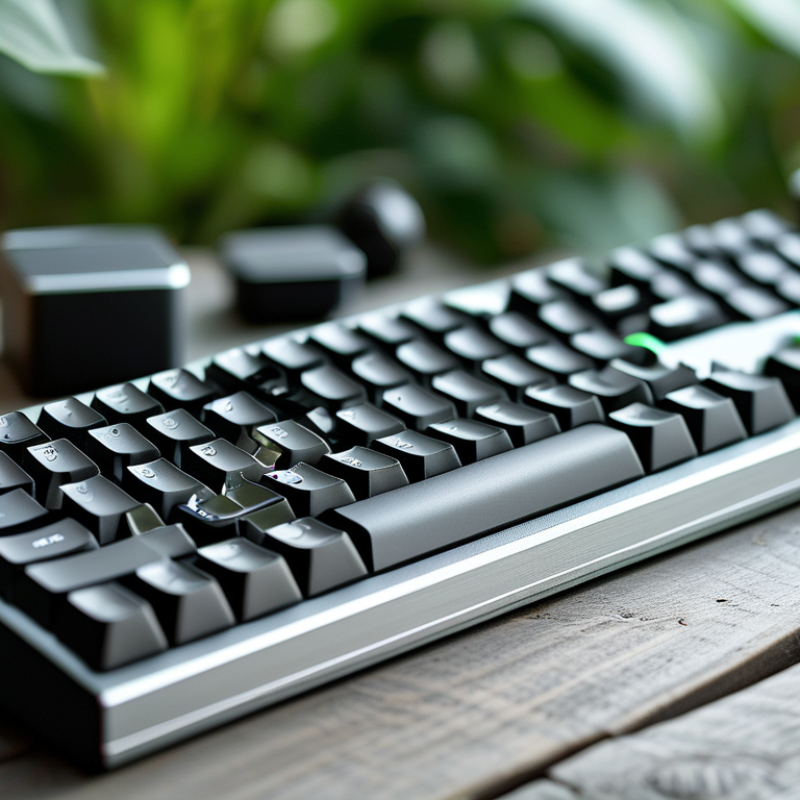
Emerging technologies are reshaping the design of embossed membrane keypads. Enhanced tactile feedback is one of the most notable trends. Manufacturers are integrating advanced materials that improve user experience. These materials can create a more distinctive feel, making key presses more satisfying.
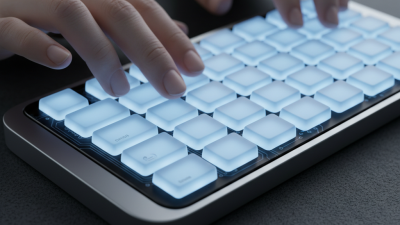
Touch sensitivity is another area of innovation. New designs incorporate capacitive elements alongside traditional tactile feedback. This blend allows for a seamless interaction. Users can expect keypads to become even more intuitive, catering to both user preference and ergonomic needs.
Tips: Consider how usability could change with each new design. Evaluate the materials used in keypads. They directly impact durability and user satisfaction. Pay attention to emerging trends but also examine their long-term reliability. It’s essential to balance innovation with practical application. Keep in mind that not every new feature will resonate with all users. Testing is crucial before any widespread adoption.
2026 Top Trends in Embossed Membrane Keypads
Key Features Buyers Should Look for in 2026
As we move into 2026, embossed membrane keypads continue to evolve. Buyers need to pay close attention to crucial features. Durability is paramount. Keypads should withstand wear and tear from daily use. Look for options that offer a solid lifespan and reliable performance. A keypad with a robust outer layer can resist scratches and fading, ensuring long-term functionality.
Another important factor is tactile feedback. Responsive keypads enhance user experience significantly. The right amount of resistance can make a keypad satisfying to use. Buyers must find a balance between softness and firmness in pressure. Also, backlighting options should be considered. Illuminated keys can improve accessibility in low-light conditions. Not all keypads have this feature, and it can greatly affect usability.
Water resistance is often overlooked. A keypad that can endure spills is invaluable. This quality extends its lifespan and reliability in varying environments. However, not all waterproof solutions are equal. Buyers should investigate the specific ratings and materials used. While many keypads claim durability, real-world performance can differ. Testing is essential to ensure they meet expectations in everyday situations.
2026 Top Trends in Embossed Membrane Keypads for Buyers
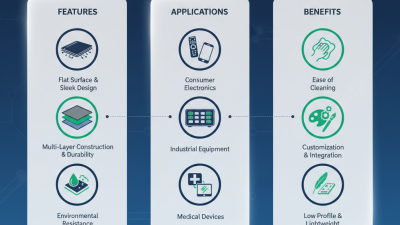
| Key Features |
Trends |
Benefits |
| Customization Options |
Increased demand for personalized designs |
Appeals to diverse consumer preferences |
| Durability |
Use of advanced materials for longevity |
Reduced replacement costs and increased reliability |
| Touch Sensitivity |
Development of improved touch response technology |
Enhanced user experience and accessibility |
| Backlighting Options |
Integration of customizable backlighting |
Improved visibility in various lighting conditions |
| Environmental Resistance |
Production of waterproof and dustproof designs |
Suitability for harsh environments and longer lifespan |
Market Trends Influencing Membrane Keypad Production
The landscape of membrane keypad production is evolving rapidly. One significant market trend is the increasing demand for customizable designs. Buyers seek unique features to enhance user experiences. Customization allows manufacturers to differentiate their products in a competitive market. It provides users with tailored options, boosting engagement.
Another trend shaping the industry is the focus on sustainability. Many manufacturers are exploring eco-friendly materials. Reusable and biodegradable options are gaining traction. This shift not only meets consumer demand but also aligns with global environmental goals. Brands need to reflect on their production methods. Do they truly prioritize sustainability?
Advancements in technology also play a vital role. Integration of touch sensitivity and backlighting is becoming standard. This enhances functionality and aesthetics, but raises production costs. Manufacturers may struggle to balance quality and affordability. Hence, careful planning is essential to navigate these challenges effectively. These trends reflect a complex and dynamic market landscape for buyers in 2026.
Comparative Analysis of Materials Used in Membrane Keypads
Choosing materials for embossed membrane keypads is critical. Different materials affect durability, functionality, and user experience.
Polycarbonate and polyester are popular choices. They offer strength and flexibility, making them suitable for various applications.
Polycarbonate is known for its impact resistance. It stands up to harsh environments but can be prone to scratching.
Polyester, on the other hand, is less durable but offers excellent graphics capabilities.
It allows for vibrant colors and intricate designs. Users must weigh these factors based on their needs.
However, not all materials are created equal. Some options may result in higher production costs. Others could lead to performance issues over time.
Understanding the trade-offs is essential for making informed decisions. The right choice depends on specific application requirements.
It's worth considering how these materials perform under real-world conditions.
Future Innovations to Watch in the Keypad Manufacturing Sector
As we look towards 2026, key innovations in embossed membrane keypads promise to reshape the landscape of the manufacturing sector. The integration of touch-sensitive technology is one such advancement. This feature enhances user interaction by allowing pressure-sensitive responses, making devices more intuitive. However, this technology poses challenges in design and durability. Manufacturers must balance innovation with reliability.
Another notable trend is the use of eco-friendly materials. Sustainable production methods are becoming increasingly important. Many companies are exploring bioplastics and recyclable materials for their keypads. While this shift is commendable, sourcing these materials can be problematic. Manufacturers need reliable suppliers to ensure high-quality production.
Moreover, customization will play a crucial role. Consumers demand personalized solutions, pushing manufacturers to offer tailored options. This trend may lead to higher production costs and longer lead times. Brands must find ways to meet these evolving expectations while maintaining quality. The road ahead is filled with potential, yet obstacles remain. The key to success lies in navigating these challenges effectively.