Leave Your Message

How to Choose the Best Rubber Oil Seals?

Choosing the best Rubber Oil Seals is not a matter of selecting the thickest seal or the lowest price. It requires a practical understanding of fluid type, shaft speed, temperature, pressure, and installation conditions. A seal that performs well in a clean hydraulic pump may fail quickly in a dusty agricultural machine. Small details matter. Even a sharp shaft edge can damage the sealing lip.

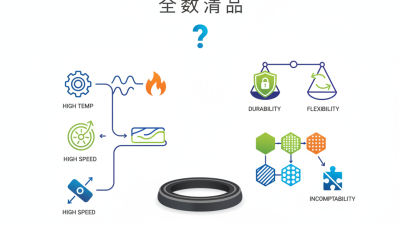
Robert Flitney, author of the Seals and Sealing Handbook, describes the basic purpose clearly: “A seal is a device which prevents the passage of fluid through a gap.” This simple statement supports a deeper evaluation. The correct Rubber Oil Seals must control leakage while resisting heat, wear, chemical exposure, and friction. Material choice is critical. Nitrile rubber suits many mineral oils, while fluorocarbon rubber often handles higher temperatures and aggressive fluids more reliably. Still, no material is perfect.

Real experience also shows that specifications can mislead. A seal may meet a catalogue rating but fail because of poor shaft finish, incorrect compression, or careless fitting. That uncomfortable possibility deserves attention. Selection should combine manufacturer data, application testing, and inspection of the actual operating environment. Look for verified dimensions, material traceability, documented performance, and clear technical support. The best choice is not always the most advanced option. It is the seal that remains dependable in the machine you actually operate.
How to Choose the Best Rubber Oil Seals?

Understanding Rubber Oil Seal Types and Their Applications

How to Choose the Best Rubber Oil Seals?

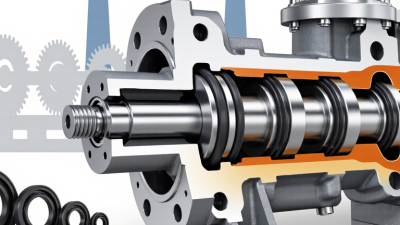
Rubber oil seals protect rotating shafts from oil loss, dust, and moisture. Their design must match the working environment. A single-lip seal suits clean gearboxes with moderate pressure. A double-lip seal adds protection where dust or water may enter. For higher pressure, a reinforced seal often performs more reliably than a basic design.

Material choice matters just as much. Nitrile rubber handles common mineral oils and moderate temperatures. Fluorocarbon rubber suits hotter areas and aggressive fluids. Silicone rubber performs well in cold conditions, but it may resist wear less effectively. Ethylene propylene rubber works with water-based fluids, yet it is usually unsuitable for petroleum oils. I once saw a new seal fail quickly because the material looked suitable, but the lubricant was ignored.

Tips: Check shaft diameter, housing size, speed, pressure, and temperature before ordering. Measure the shaft for scratches or grooves. A sharp groove can cut the sealing lip within hours. Keep the lip clean during installation, and apply compatible lubricant. Avoid forcing the seal with a dry screwdriver. Small damage is easy to miss. Also, confirm the lip direction: it should face the fluid it must retain. No chart replaces inspection. Application details can change the correct choice, especially in pumps, hydraulic equipment, electric motors, and dusty industrial drives.

How to Choose the Best Rubber Oil Seals? - Understanding Rubber Oil Seal Types and Their Applications

Seal Type / Material Typical Construction Typical Temperature Range* Suitable Fluids and Media Common Applications Main Advantages Important Limitations
Single-Lip Radial Oil Seal
NBR
Molded elastomer lip, metal case, and garter spring; one primary sealing lip. Approximately −40°C to +100°C Mineral oils, lubricating oils, and greases. Gearboxes, electric motors, pumps, axles, and general rotating shafts. Cost-effective, widely available, and offers good resistance to petroleum-based lubricants. Limited resistance to ozone, weathering, high temperatures, and many aggressive chemicals.
Double-Lip Radial Oil Seal
NBR
Primary oil-sealing lip plus a secondary dust-exclusion lip. Approximately −40°C to +100°C Mineral oils, grease, and moderately dusty operating environments. Automotive hubs, agricultural equipment, conveyors, and industrial gear drives. Improved protection against dust, dirt, and splash contamination compared with a single-lip design. Higher friction and heat generation; the extra lip may require more installation space.
High-Temperature Oil Seal
FKM
Radial lip seal manufactured from fluorocarbon rubber, often with a metal case and spring. Approximately −20°C to +200°C Mineral oils, fuels, many synthetic lubricants, and selected chemicals. High-temperature gearboxes, engines, pumps, compressors, and chemical-processing equipment. Excellent heat, oxidation, ozone, and chemical resistance. Higher cost; performance can be poor at low temperatures and in contact with hot steam or certain amines.
Low-Friction Oil Seal
PTFE-Based
PTFE sealing element, commonly energized by a spring or supported by a carrier. Approximately −60°C to +200°C; compound-dependent Oils, fuels, hydraulic fluids, and many chemically aggressive media. High-speed shafts, hydraulic systems, compressors, and applications requiring low friction. Very low friction, broad chemical resistance, and suitability for high peripheral speeds. More sensitive to shaft damage and installation technique; generally more expensive than standard elastomer seals.
V-Ring Seal
NBR or FKM
Flexible axial sealing ring that stretches over the shaft and seals against a counterface. NBR: approximately −40°C to +100°C
FKM: approximately −20°C to +200°C
Grease, oil mist, water splash, dust, and light contamination. Electric motors, agricultural machinery, bearings, and exposed rotating shafts. Simple installation, low friction, and effective exclusion of external contaminants. Usually not the first choice for retaining pressurized oil; requires a suitable counterface and axial space.
O-Ring
NBR
Circular elastomer ring installed in a machined groove for static or controlled dynamic sealing. Approximately −40°C to +100°C Mineral oils, hydraulic oils, fuels, and lubricating greases. Flanges, housings, hydraulic fittings, valves, and low-speed reciprocating components. Compact, economical, easy to source, and suitable for many static sealing designs. Can twist, extrude, or wear in unsuitable dynamic applications; groove design and compression are critical.
EPDM Oil Seal
EPDM
Radial lip or molded seal made from ethylene-propylene rubber. Approximately −50°C to +150°C Water, glycol-based coolants, dilute acids, alkalis, and weathering environments. Cooling systems, water pumps, outdoor equipment, and brake-fluid-related applications where compatible. Excellent resistance to hot water, steam, ozone, and weathering. Generally unsuitable for petroleum oils, mineral-oil greases, and many hydrocarbon fuels.
Silicone Oil Seal
VMQ
Molded silicone rubber lip seal, selected when wide temperature flexibility is required. Approximately −60°C to +200°C Dry heat, ozone, weathering, and selected oils depending on the compound. Temperature-sensitive instruments, food-contact-related equipment where approved, and selected automotive components. Excellent flexibility at low temperatures and good resistance to heat, ozone, and aging. Lower tear and abrasion resistance; generally unsuitable for high-pressure dynamic sealing and many fuels.
Selection notes: Temperature ranges are typical guide values and vary with compound formulation, pressure, speed, lubrication, shaft finish, and installation conditions. Always verify chemical compatibility, shaft diameter, housing dimensions, permissible speed, pressure, and the manufacturer’s technical data before final selection.

Identifying Operating Conditions and Seal Performance Requirements

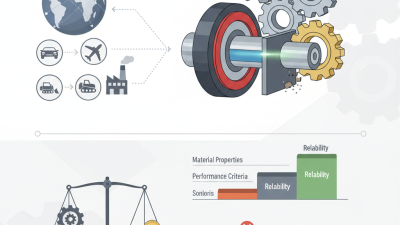
Choosing the best rubber oil seal begins with operating conditions, not catalogue dimensions. Record shaft speed, temperature, pressure, lubricant type, and contamination risks. A seal running at 3,000 rpm faces different heat and wear than one operating at 600 rpm. ISO 6194-1 highlights shaft surface, installation, and sealing geometry as key performance factors.

Temperature deserves careful attention. Brief heat spikes can harden rubber, even when the average temperature seems acceptable. Check the lubricant’s chemical compatibility and the seal material’s continuous temperature range. The U.S. Department of Energy reports that compressed-air leaks may waste 20–30% of compressor output. In rotating equipment, poor sealing can create similar hidden losses through lubricant leakage, contamination, and unplanned maintenance. Field inspections often reveal installation damage before material failure. I have seen a small shaft scratch destroy a new seal within weeks. That detail is easy to miss.

Tips: Measure the shaft, housing bore, and runout before ordering. Check whether dust, water, or abrasive particles can reach the lip. Choose a seal with suitable pressure capability, but avoid excessive lip loading. Review ISO 6194 guidance and ASTM D1418 material designations. Keep a sample of the failed seal. Its wear pattern may explain more than a specification sheet. When conditions are uncertain, test the seal under realistic speed, temperature, and lubricant exposure. A perfect selection on paper can still fail in service.

Comparing Rubber Materials for Temperature, Fluid, and Wear Resistance

Choosing a rubber oil seal begins with the actual temperature, fluid, and motion. Do not rely on a catalog range alone. Measure the housing, shaft speed, pressure, and nearby heat sources. Nitrile rubber suits many mineral oils and moderate temperatures, while offering practical wear resistance. Fluoroelastomer handles higher heat and aggressive fuels better, but it costs more and may harden in cold conditions. Small details matter.

Ethylene propylene rubber suits hot water, steam, and glycol fluids. It should not contact petroleum oils. Silicone remains flexible across broad temperatures, but its tear and abrasion resistance can disappoint in dynamic sealing. For abrasive dust, compound hardness and lip design deserve equal attention. Compatibility is not automatic.

Check the fluid chemistry, temperature cycles, and shaft finish together. A polished shaft may reduce wear, but excessive smoothness can limit oil retention. Installation also changes results: a twisted lip, dry start, or sharp groove can destroy a good seal within hours. Use verified data sheets, then confirm uncertain combinations with a small immersion or bench test. That extra test may expose swelling, shrinkage, or softening before production begins. Still, no chart predicts every field condition. Review failures honestly.

Selecting the Correct Seal Size, Design, and Installation Fit

Choosing a rubber oil seal starts with measurements, not appearance. Measure the shaft diameter, housing bore, and seal width with calibrated tools. A small error can create immediate leakage or excessive friction. Select the rubber compound for the oil, temperature, and rotational speed. Nitrile suits many general applications, while fluoroelastomer handles higher heat and aggressive fluids more reliably. Fortune Business Insights estimated the global oil seals market at approximately USD 13.66 billion in 2023, showing how critical reliable sealing remains across industrial equipment.

Design must match the working environment. A single lip suits basic oil retention, while a dust lip helps protect bearings in dirty areas. Check shaft hardness, runout, and surface finish against the seal supplier’s technical data. ISO 6194-1 provides dimensional guidance for rotary shaft lip seals. Installation fit matters just as much. Clean the bore, apply a thin film of compatible lubricant, and use a proper driver that contacts the seal’s outer edge. Never force the lip across sharp keyways or splines without protection. Keep it square.

Small details decide performance. A perfect fit on paper can still leak. Field inspections often reveal tilted seals, scratched shafts, or dry lips during startup. Those mistakes are easy to overlook. I would also recheck the housing measurement; assuming it is standard has caused avoidable failures. Allow the seal to run briefly, then inspect for heat, noise, and oil traces. Reconsider the design when operating conditions change.

How to Choose the Best Rubber Oil Seals?

Selecting the correct seal size, design, and installation fit

How to read the chart: The dimensions show common metric oil-seal size combinations in millimetres, written as shaft diameter × housing bore diameter × seal width. The shaft diameter must match the rotating shaft, while the outside diameter must match the housing bore.

Before ordering, confirm the seal lip design, rubber compound, operating temperature, shaft speed, pressure, and fluid compatibility. During installation, keep the shaft and housing clean, lubricate the sealing lip, protect the lip from sharp edges, and press the seal in squarely without damaging the spring or sealing edge.

Evaluating Quality, Service Life, Cost, and Supplier Reliability

Choosing the Best Rubber Oil Seals

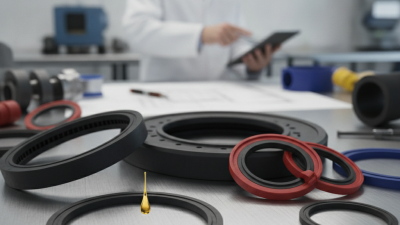
Quality begins with application details, not a low catalog price. Check the fluid type, operating temperature, pressure, shaft speed, and available space. A seal that handles engine oil may fail quickly with aggressive chemicals or contaminated hydraulic fluid. Material choice matters. Nitrile suits many standard oils, while fluorocarbon rubber usually tolerates higher temperatures and harsher fluids. Shaft finish matters too. A rough shaft can cut the sealing lip within weeks. Measure it carefully.

Service life depends on more than rubber quality. Correct installation prevents twisted lips, scratches, and uneven compression. In real maintenance work, a small installation mistake can look like a material failure. That is easy to overlook. Ask for test data, dimensional tolerances, temperature limits, and wear results. Useful records should identify production batches and inspection methods. Long service life lowers downtime, but only when the seal matches the equipment’s actual working conditions.

Cost should include labor, leakage risk, replacement frequency, and inventory pressure. The cheapest option may become expensive after repeated shutdowns. Still, a premium seal is not automatically better. Compare measurable performance instead of trusting confident claims. Supplier reliability also deserves close attention. Review delivery history, technical response times, complaint handling, and consistency between batches. Request samples before a larger order. Discuss packaging and storage conditions, because heat and ozone can damage unused seals. I would also question suppliers who promise unlimited life. Good suppliers admit limits, provide clear documents, and help investigate failures rather than blaming installation immediately.