What is a Flat Rubber Ring and How to Choose the Right One?
When it comes to choosing the right Flat Rubber Ring, expertise is crucial. According to Michael Smith, a leading authority in sealing technology, "The right Flat Rubber Ring can make all the difference in performance." This insight emphasizes the importance of understanding the specifics of these essential components.
Flat Rubber Rings are used in various applications, from automotive to plumbing systems. Their effectiveness relies on material properties and precise dimensions. However, many industries face challenges in selecting the ideal ring. Factors like temperature resistance and chemical compatibility often complicate the decision process.
Choosing the correct Flat Rubber Ring can prevent issues like leaks and mechanical failures. Yet, not all manufacturers provide clear guidance. Users may find themselves puzzled by the vast options available. It's essential to consider both application and environmental factors when making a choice. Proper knowledge will lead to reliable and efficient usage of Flat Rubber Rings.
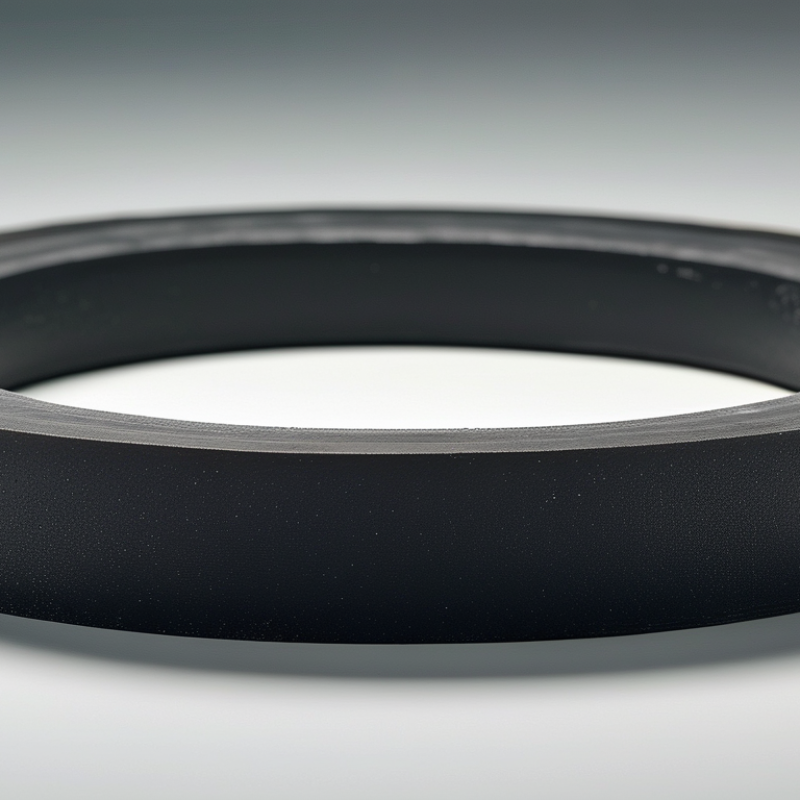
What is a Flat Rubber Ring?
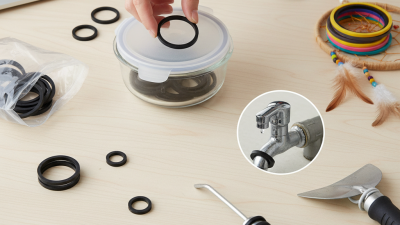
A flat rubber ring is a versatile component used in various applications, from plumbing to automotive systems. Made from durable rubber materials, these rings provide seals to prevent leaks and ensure proper functioning of machines. Their design allows them to fit snugly into grooves, creating an effective barrier against fluids and gases.
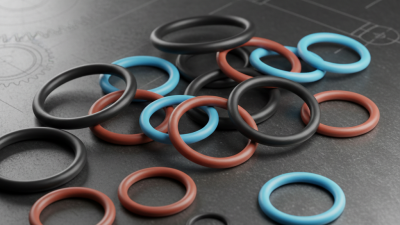
When choosing a flat rubber ring, consider the size, material, and application. The diameter and thickness must match the specific requirements. Common materials include Nitrile, Silicone, and EPDM. Each material has unique properties, making it suitable for different environments.
**Tips:** Measure the area where the ring will be used. Ensuring a proper fit can prevent future issues. Always check the temperature and chemical compatibility of the ring with the application. Using the wrong material can compromise performance.
Selecting the right flat rubber ring can be challenging. Often, users overlook the importance of installation. An improperly seated ring can lead to leaks. Double-checking alignment during installation is essential. A careful approach saves time and resources.
Common Applications of Flat Rubber Rings
Flat rubber rings, often referred to as seals or gaskets, play a vital role in various industries. They are commonly used in automotive, plumbing, and industrial equipment applications. These rings create a tight seal between surfaces, preventing leaks and protecting components from contamination.
In the automotive sector, flat rubber rings help ensure proper sealing in engines and fuel systems. They are found in fuel injectors, oil pans, and other critical areas.
In plumbing, these rings are essential for preventing water leaks around faucets and pipes. Industrial machinery also relies on these rings to maintain pressure and prevent fluid leakage.
Choosing the right flat rubber ring is crucial for performance. Consider the material, size, and temperature tolerance. Inspect the environment it will be used in. It's easy to overlook these details, but they significantly impact durability. Take your time to evaluate the application thoroughly. Simple mistakes can lead to leaks or failures, which may cause costly downtime.
Key Materials Used in Flat Rubber Rings
Flat rubber rings play a crucial role in various industries, mainly for sealing and cushioning applications. Choosing the right material for these rings is key. Common materials include Nitrile, Neoprene, and EPDM rubber. Each material has unique properties that cater to specific needs.
Nitrile rubber offers excellent resistance to oils and fuels. It is widely used in automotive applications. However, it can degrade under prolonged exposure to ozone. Neoprene, on the other hand, provides balanced resistance to a range of chemicals and reasonable temperature stability. It’s a versatile choice but may not perform well in extreme conditions. EPDM rubber excels in outdoor applications. It withstands heat, moisture, and UV radiation, making it ideal for seals in roofing and automotive industries.
While selecting flat rubber rings, consider the environment they will operate in. The right material can enhance longevity and efficiency. However, some factors might be overlooked. For instance, compatibility with specific chemicals needs careful assessment. Proper research and consultation with experts can help mitigate potential issues. Ultimately, a thoughtful choice can prevent future failures.
What is a Flat Rubber Ring and How to Choose the Right One? - Key Materials Used in Flat Rubber Rings
| Material |
Temperature Range (°C) |
Applications |
Advantages |
Disadvantages |
| Nitrile Rubber (NBR) |
-30 to 120 |
Automotive, Oil Seals |
Good oil resistance, Durable |
Limited heat resistance |
| Silicone Rubber |
-60 to 200 |
Food Industry, Medical Devices |
High temperature stability, Biocompatible |
Poor abrasion resistance |
| EPDM Rubber |
-40 to 120 |
Automotive, Roof Sealing |
Excellent weather resistance |
Limited fuel and oil resistance |
| Viton (FKM) |
-20 to 200 |
Chemical Processing, Aerospace |
Excellent chemical resistance |
Higher cost |
| Chloroprene Rubber (CR) |
-40 to 120 |
Electronics, Gaskets |
Good aging stability, weather resistant |
Moderate oil resistance |
Factors to Consider When Choosing a Flat Rubber Ring
When selecting a flat rubber ring, several factors should be considered. The material's hardness is crucial. A harder rubber may last longer but might not provide a good seal. Softer rubber can conform better to surfaces but may wear out quickly. Knowing the application helps determine the required hardness.
Next, consider the size and thickness of the rubber ring. An incorrect fit may lead to leaks or failures. Measurements should be precise. Additionally, temperature tolerance plays a role. Some materials perform better in extreme heat or cold. Ignoring these details can result in failed applications. Always consult technical specifications for guidance.
Lastly, the application environment affects durability. Exposure to chemicals can degrade specific rubber compounds. Evaluate the surrounding conditions thoroughly. Some users overlook this aspect, leading to premature failures. Taking time to assess these factors leads to better choices in flat rubber rings. Reflecting on these elements ensures reliability in your applications.
Flat Rubber Rings: Factors to Consider When Choosing the Right One
Maintenance Tips for Prolonging the Life of Flat Rubber Rings
Flat rubber rings, often called O-rings, require proper care for longevity. Regular inspection is essential. Look for signs of wear, such as cracking or deformation. These indicators suggest it’s time for replacement. Keeping a watchful eye helps avoid unexpected failures.
Cleaning is another vital aspect. Use a mild soap solution and a soft cloth to remove dirt and debris. Harsh chemicals can damage the rubber. After cleaning, dry the rings thoroughly before reinstallation. Storing them in a cool, dry place will also help maintain their integrity. Avoid exposure to UV light and extreme temperatures.
When using these rings, always ensure they are seated properly. Misalignment can lead to leaks and early degradation. Take the time to understand the specific application of your flat rubber rings. This understanding is key to making informed choices. Regular maintenance extends their life, enhancing performance and reliability.