Why Choose Nitrile Gasket for Your Industrial Needs?
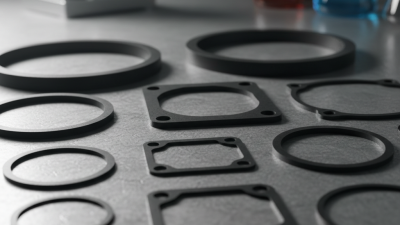
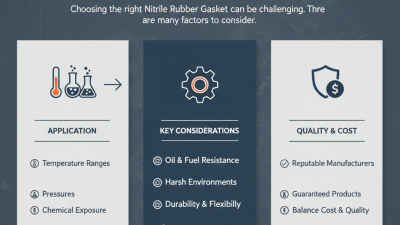
When it comes to industrial applications, choosing the right gasket material is crucial. Nitrile Gasket stands out as a reliable option for a variety of industries. Its resistance to oil, fuel, and exposure to harsh chemicals make it a preferred choice. The global market for nitrile gaskets is expected to grow significantly, with a projected increase of over 5% annually through 2027, as reported by market research firms.
Nitrile Gaskets offer exceptional durability and flexibility. Their temperature tolerance ranges from -40°F to 250°F, ensuring functionality in diverse environments. However, wavering performance can occur under extreme conditions, necessitating careful selection based on specific operational demands. Proper installation and maintenance are key to realizing their full potential.
Industry experts emphasize the impact of using quality materials like Nitrile Gasket on overall equipment lifespan. Investing in high-grade gaskets can reduce leakages and maintenance costs significantly. Nonetheless, users must assess their unique requirements to make informed decisions. Balancing cost and performance may lead to better long-term solutions.
Understanding Nitrile Gaskets: Composition and Properties
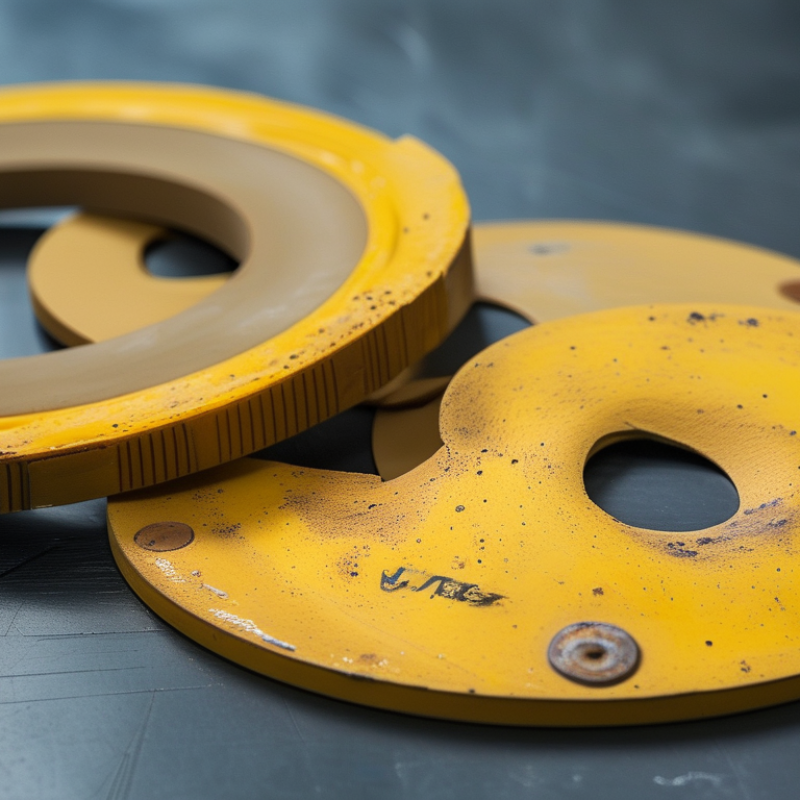
Nitrile gaskets are essential in various industrial applications. They are composed of Acrylonitrile and Butadiene. This combination creates a synthetic rubber that offers excellent resistance to oil and fuel. Nitrile gaskets withstand a wide temperature range, typically between -40°F to 250°F. They provide strong seals for machinery and automotive components.
According to a report from the American Society for Testing and Materials, nitrile gaskets exhibit superior tensile strength. This property is crucial in high-pressure environments. Their flexibility also allows for better compression and sealing. Industries like automotive and aerospace demand reliable sealing materials to prevent leaks. Nitrile gaskets meet these rigorous demands.
Tip: Always check the chemical compatibility of nitrile with your application fluids to prevent degradation.
Nitrile gaskets are not perfect. Over time, they can become brittle or lose elasticity. Environmental factors, such as ozone exposure, can accelerate deterioration. Regular inspections are vital to ensure performance. In many instances, switching to a different material might offer better longevity.
Tip: Consider the environmental conditions in your operations when selecting a gasket material.
Advantages of Nitrile Gaskets in Industrial Applications
Nitrile gaskets are gaining popularity in various industrial applications. Their excellent resistance to oil and fuel makes them a preferred choice in automotive and aerospace sectors. These gaskets can handle extreme temperatures and pressures, ensuring reliable sealing in demanding environments. Nitrile rubber also offers flexibility, which allows for a tight seal, reducing the risk of leaks or contamination.
One often overlooked aspect is the durability of nitrile gaskets. They can maintain their integrity even in harsh conditions. For instance, they can resist degradation from exposure to ozone and weather conditions. However, users must consider the specific requirements of their applications. While nitrile gaskets are versatile, they may not perform well in high-temperature steam applications. Understanding these factors is essential.
Moreover, cost-effectiveness drives many industries to choose nitrile gaskets. They offer reliable performance without a hefty price tag. Yet, not all nitrile gaskets are created equal. Variations in manufacturing processes can affect performance. Conducting thorough research is vital to ensure the selected gasket meets the required standards for safety and reliability. This diligence can mean the difference between a successful operation and costly repairs.
Common Uses of Nitrile Gaskets Across Various Industries
Nitrile gaskets are widely used in various industrial applications due to their excellent resistance to oils and fuels. These gaskets are prevalent in the automotive and aerospace industries, where they seal components that encounter harsh conditions. For instance, they are often used in fuel injection systems and engine components. Their ability to withstand high temperatures makes them ideal for such environments.
In the food and beverage industry, nitrile gaskets serve a critical role. They are commonly found in machinery that handles oils and fats. Their durability ensures that they maintain integrity, preventing leaks and contamination. Additionally, pharmaceutical companies use these gaskets for equipment that requires strict hygiene standards. The non-reactive nature of nitrile materials helps in preserving product quality.
Despite their many advantages, nitrile gaskets are not perfect. They can degrade when exposed to ozone over time. Users should regularly inspect gaskets for signs of wear and tear, especially in outdoor applications. This scrutiny ensures continuous performance and safety in industrial processes. Understanding both the strengths and weaknesses of nitrile gaskets allows industries to make informed decisions.
Comparing Nitrile Gaskets to Other Common Gasket Materials
When it comes to industrial gaskets, nitrile stands out for various applications. Nitrile gaskets are known for their excellent oil and fuel resistance. These properties make them ideal for automotive, aerospace, and manufacturing sectors. A study from the Rubber Manufacturers Association reveals that nitrile rubber can withstand temperatures ranging from -40°F to 250°F, opening a broad range of applications.
In contrast, materials like silicone or neoprene often fall short in oil resistance. While silicone is praised for high-temperature stability, it typically fails in oily environments. Neoprene, while versatile, can deteriorate when exposed to certain chemicals. According to a report by the American Society for Testing and Materials, nitrile performs better in demanding conditions due to its high tensile strength and durability.
However, nitrile gaskets are not without limitations. They have a reduced lifespan when exposed to prolonged ultraviolet light, unlike EPDM gaskets. Therefore, evaluating the specific requirements of an application is crucial. This assists in selecting the right material while considering factors like temperature range, exposure to chemicals, and mechanical stress. Certain applications might indeed benefit from taking a mixed-material or composite approach. Understanding these nuances allows for better decision-making in gasket selection.
Why Choose Nitrile Gasket for Your Industrial Needs?
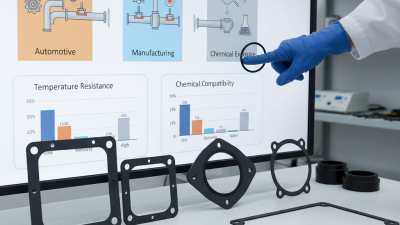
This chart compares the performance characteristics of nitrile gaskets against other common gasket materials, highlighting key attributes such as temperature resistance, pressure tolerance, chemical resistance, and durability.
Maintenance and Longevity of Nitrile Gaskets in Industrial Settings
Nitrile gaskets are an excellent choice for industrial applications due to their durability and resistance to various substances. They excel in environments where oil and chemicals are common. According to a 2022 industry report by the Polymer Institute, nitrile gaskets can withstand temperatures ranging from -40°F to 250°F. This adaptability is crucial for operations in fluctuating conditions.
In terms of maintenance, nitrile gaskets require minimal upkeep. Regular inspections can predict wear and extend life. However, there are instances where improper installation or use may lead to premature degradation. Frequent temperature shifts can also cause flexibility loss. Industry studies suggest that a well-maintained nitrile gasket can last over 10 years, but many factors influence this longevity.
Reliability is another advantage. Nitrile gaskets often outperform rubber alternatives in specific applications. Research indicates they can resist aging and ozone degradation effectively. Yet, users must be aware of the environmental conditions. For example, exposure to strong acids can challenge their integrity. Understanding these nuances is vital for maximizing gasket performance in industrial settings.