Essential Tips for Choosing the Right Flat Membrane Keypad?
Choosing the right flat membrane keypad can be a daunting task. Industry expert John Smith, with over fifteen years of experience, emphasizes the importance of this choice. He once said, "The right flat membrane keypad not only enhances functionality but also user satisfaction."
When selecting a flat membrane keypad, consider various factors. The material and design play a crucial role. High-quality materials ensure durability. Customization options allow for a unique touch that meets specific needs. Brands vary widely, and not all are equal in reliability. Researching well-known manufacturers is essential to avoid disappointments.
Installation aspects cannot be overlooked. A complex installation can lead to operational issues. Seek keypads that offer straightforward installation guides. Poor choices can lead to frustration. Thus, thorough evaluation is key. Ultimately, the right flat membrane keypad should seamlessly integrate into your project while meeting usability expectations.
Understanding Flat Membrane Keypads: Key Features and Benefits
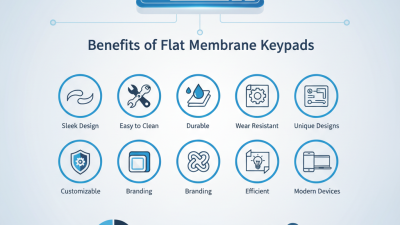
Flat membrane keypads offer numerous advantages. They are commonly used in various applications, from home appliances to industrial equipment. One key feature is their durability. These keypads are resistant to dust and moisture, making them ideal for various environments. Their flat surface allows for easy cleaning, enhancing their practicality.
Another important factor is customization. Flat membrane keypads can be designed with different layouts, colors, and graphics. This flexibility enables users to create controls that meet specific operational needs. Users might struggle with finding the right aesthetic fit, which can impact usability. It is essential to ensure that the tactile feedback is satisfactory. Users have pointed out that some designs may lack sufficient sensitivity.
When selecting a membrane keypad, consider how these elements contribute to functionality. Weight and thickness can vary, affecting installation and usage. A thinner keypad may look sleek but could be less durable in high-traffic areas. Thus, balancing design with performance is critical. Users should also reflect on their unique requirements, as what works for one application may not work for another.
Identifying Your Application: Selecting the Right Keypad Type
When it comes to selecting the right flat membrane keypad, understanding your specific application is crucial. The application dictates the required features, whether resistance to moisture or a particular operating temperature. According to a recent industry study, over 45% of keypad failures stem from inappropriate application matches. Identifying your needs should be the first step.
Consider the environment in which the keypad will be used. Will it face harsh conditions? A keypad designed for outdoor use typically has higher durability standards. Look for keypads that boast IP ratings that indicate their resistance to dust and water. For example, an IP67 rating ensures the keypad can withstand temporary immersion in water.
When assessing functionality, think about user interaction. The tactile feedback of each button plays a significant role in user satisfaction. A report from the Human Factors and Ergonomics Society revealed that 70% of users prefer keypads with a distinct tactile response. Testing different designs allows you to balance aesthetics and usability.
Incorporate these essential tips in your selection process. Choose a keypad that aligns with your application’s demands. Assess the environmental durability and interface options. Make informed decisions based on user feedback to enhance usability. Remember, a mismatch can lead to costly errors and dissatisfaction.
Material and Durability: Factors to Consider for Longevity
When selecting a flat membrane keypad, material choices significantly impact durability and longevity. Common options include polyester, polycarbonate, and silicone. Each material behaves differently under various environmental factors. For instance, polyester is often noted for its scratch resistance. According to a recent industry report, up to 35% of keypads fail due to surface damage. This suggests that selecting a durable top layer is critical for device longevity.
Durability is not just about the material; it also depends on conditions like temperature and humidity. Polycarbonate offers greater impact resistance, but extreme heat can cause warping. Data indicates a 25% reduction in lifespan for devices exposed to high temperatures consistently. Consider the operational environment when choosing materials for keypads. The right choice can reduce replacement costs.
Finally, evaluating the tactile quality and functionality of the keypad matters. Many users prefer softer tactile feedback, which may reduce long-term wear. However, softer materials can wear out faster when used frequently. Balancing comfort with durability is essential. Establishing clear priorities based on intended use will guide the selection process effectively.
Design Aesthetics: Matching the Keypad to Your Brand
When selecting a flat membrane keypad, design aesthetics play a crucial role in brand alignment. Your keypad is often the first point of interaction for users. A well-designed keypad can reflect your brand’s identity and values. A cohesive look enhances user experience and builds trust. Consider colors, textures, and materials that resonate with your brand image.
A thoughtful design isn’t just about aesthetics; it also impacts functionality. Ensure the layout complements user needs. Sometimes, a keypad looks great but feels awkward in use. Feedback from test users can highlight these discrepancies. Seek balance between visual appeal and ergonomic design. Small adjustments, like button spacing, can greatly affect usability.
Consider how your keypad fits within the overall product design. It should feel like a seamless part of the device. A keypad that clashes with other elements can confuse users. Reflect on how different designs can evoke various emotions. What do you want your users to feel? Being aware of these subtleties can guide you in creating a keypad that enhances your brand presence.
Essential Tips for Choosing the Right Flat Membrane Keypad
| Aspect |
Considerations |
Impact on Brand |
| Design Aesthetics |
Color, shape, and finish |
Enhances brand identity |
| Functional Layout |
Key positioning and spacing |
User experience and accessibility |
| Durability |
Material quality, resistance to wear |
Perceived quality of brand |
| Customization Options |
Logo, branding elements |
Stronger brand recognition |
| Feedback Mechanism |
Tactile response, auditory feedback |
Increases user satisfaction |
Budget Considerations: Balancing Quality and Cost-effectiveness
When selecting a flat membrane keypad,
budget considerations play a crucial role. The balance between quality and
cost-effectiveness can often feel overwhelming. High-quality keypads feature
responsive buttons and durable materials, which
can be a bit pricey. However, opting for lower-cost options might lead to a
compromise in performance and longevity.
Assess your specific needs and how often the keypad will be used. If it’s
for a high-traffic area, investing in quality is essential. On the other
hand, for infrequent use, a more budget-friendly option may suffice.
Consider the total cost of ownership. Sometimes, spending more upfront can
lead to savings in the long run. Defective keypads
can lead to unexpected costs from replacements or repairs.
Researching and comparing
different keypads is vital. Look for customer reviews and expert opinions.
Reliability of the supplier also matters. A reputable vendor can provide
quality assurance and better support. Be cautious of deals that seem too
good to be true; they often are. The right keypad should fit your budget
while meeting your functional requirements, offering both value
and peace of mind.