Choosing among China’s top Rubber Seal O Ring manufacturers requires more than comparing product photos and quoted prices. A dependable supplier should demonstrate material knowledge, stable production, and clear quality controls. This guide examines manufacturers through practical evidence, including factory capability, molding experience, testing procedures, and customer support.
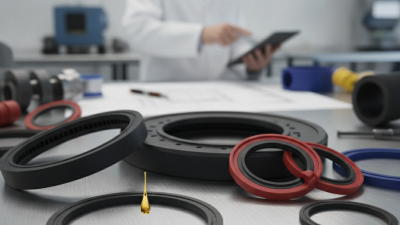
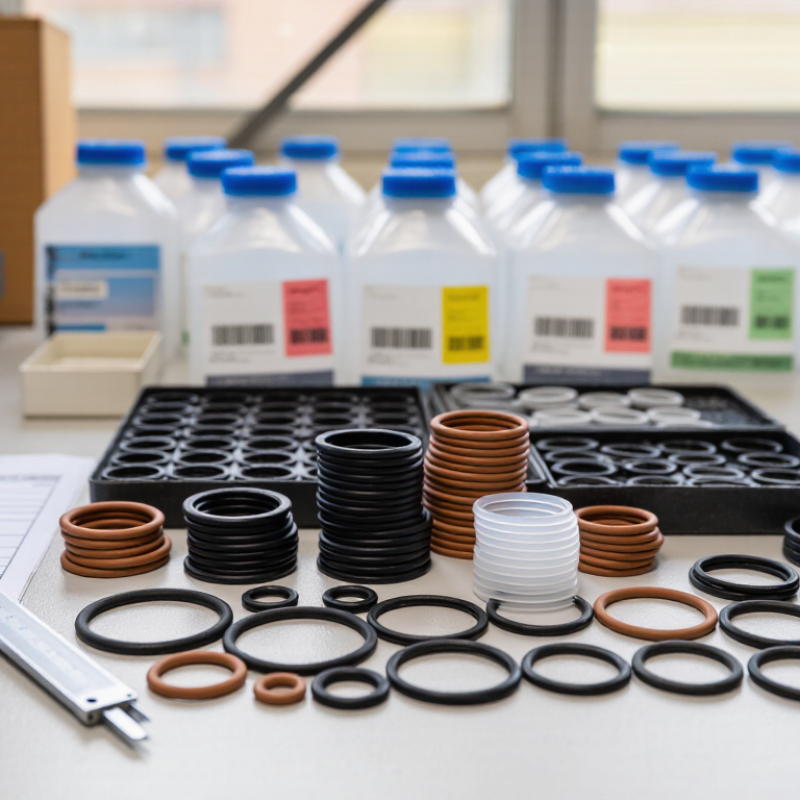
Rubber compound selection matters. Nitrile suits many oil-contact applications, while silicone performs well across broader temperature ranges. Fluoroelastomer can support demanding chemical environments, but it often costs more. Experienced manufacturers should explain these differences clearly. They should also provide dimensional reports, hardness results, and batch traceability. Useful details may include a calibrated testing room, labeled sample bags, and inspection records linked to production orders.
Real performance matters most.
A serious evaluation should consider ISO-based quality systems, tooling control, sealing consistency, and response speed after delivery. However, certificates alone do not prove manufacturing excellence. Independent verification, sample testing, and direct communication remain valuable. Some supplier information may be incomplete or overly promotional. That deserves careful review. Buyers should confirm tolerances, operating temperatures, packaging methods, minimum order quantities, and replacement policies before making a decision. This article introduces leading Chinese manufacturers from a practical and balanced perspective. It recognizes proven strengths while acknowledging possible gaps in public data, product specialization, and service reliability. The goal is not to name a winner too quickly. It is to help engineers, distributors, and purchasing teams identify a suitable long-term partner for reliable sealing applications.
A top rubber seal O-ring manufacturer in China is defined by controlled processes, not attractive catalogs. Experienced teams select compounds according to temperature, pressure, fluid exposure, and installation conditions. They can explain why EPDM, FKM, silicone, or NBR fits a specific application. Details matter.
Reliable production begins with traceable raw materials and stable mixing records. Each batch should connect to a compound number, curing condition, and inspection report. Skilled engineers also control mold temperature, flash, compression set, hardness, and dimensional tolerance. A clean workshop helps, but disciplined records prove more. A perfect sample proves little.
During supplier evaluations, buyers should request first-article reports, material certificates, aging results, and lot-based inspection data. Independent testing can verify tensile strength, elongation, leakage resistance, and compression behavior. Practical experience matters here: an O-ring may pass a short test yet fail after repeated heat cycles. Strong manufacturers investigate such failures instead of hiding them. Their corrective actions should identify the cause, document the change, and confirm improvement with another test. Communication deserves attention too. Engineers who ask about groove design, surface finish, and assembly tools usually understand real sealing risks. No factory is flawless. Even capable teams may overlook a tight tolerance or a packaging issue. Careful reviews, honest questions, and small trial orders reveal more than promises.
Material selection determines whether an O-ring survives heat, oil, pressure, or outdoor exposure. NBR suits many hydraulic and pneumatic applications. FKM handles higher temperatures and aggressive fluids. EPDM performs well with water, steam, and weathering. Silicone remains flexible in cold conditions, but it may resist tearing less effectively.
Experienced Chinese suppliers usually begin with controlled rubber compounding. Technicians weigh polymers, fillers, curing agents, and pigments by batch record. Mixing temperature and time matter. Small errors can change hardness and compression set. The compound then enters compression, transfer, or injection molding. Mold temperature, pressure, and curing time require close monitoring.
Details matter here. A properly molded ring should show a clean parting line and no visible cracks. Flash trimming must not cut the sealing edge. I have seen attractive samples fail after repeated compression. Appearance alone proves little. Reliable factories test dimensions, hardness, tensile strength, elongation, and compression set. They may reference ISO 3601 or suitable ASTM methods, depending on the application.
Traceability strengthens supplier credibility. Each batch should link to raw materials, mold data, operators, and inspection results. This makes corrective action faster. Some production records still depend heavily on manual checks. That is a weakness worth discussing. Buyers should request samples, drawings, test reports, and storage guidance before approving volume production.
China Top Rubber Seal O Ring Manufacturers?
How to Evaluate China’s Leading O-Ring Manufacturers
Evaluating an O-ring manufacturer requires more than checking product photos or export claims. A capable supplier should explain material selection, hardness, temperature range, and chemical resistance clearly. Ask for technical data sheets and inspection records. Vague answers deserve attention.
Production experience becomes visible in small details. Visit the factory, if possible, or request a live video audit. Observe mixing equipment, molding presses, trimming areas, and storage conditions. A reliable manufacturer controls flash, surface defects, dimensions, and batch consistency. Request samples from actual production, not specially prepared pieces. Measure them with calibrated tools. Numbers matter.
Material traceability is equally important. Each batch should connect to compound records, inspection results, and shipment documents. Common test methods may include hardness, tensile strength, compression set, and dimensional checks. Confirm whether testing occurs in-house or through an independent laboratory. Both options can work, but the process must be transparent.
Communication also reveals technical maturity. Engineers should discuss tolerances, groove design, sealing pressure, and service conditions. Low pricing can hide weak tooling or unstable compounds. A cheaper sample may pass briefly, then fail after heat exposure. That risk is easy to underestimate. One practical weakness remains: supplier audits consume time and budget. Still, skipping them often creates higher costs through leakage, rework, and delayed production. Reliable evaluation depends on evidence, not polished promises.
Material capability is an important factor when evaluating an O-ring manufacturer. The chart below compares typical continuous operating temperature ranges for commonly used O-ring elastomers.
Temperature ranges are typical engineering values and may vary by compound formulation, pressure, media compatibility, and application conditions. Always verify the manufacturer’s technical datasheet before selection.
When evaluating China’s top rubber seal O-ring manufacturers, buyers should inspect standards before comparing prices. A reliable factory controls compound formulation, molding temperature, dimensional tolerances, and traceability. For industrial seals, material selection should match fluid, pressure, temperature, and compression conditions. Nitrile suits many oil applications, while EPDM often handles water and weather better. These are starting points, not universal rules.
Quality control begins with incoming elastomer testing and verified supplier documents. Technicians should check hardness, tensile strength, elongation, compression set, and volume change. Visual inspection can find flash, cracks, blisters, and incomplete filling. It cannot replace measurement. Critical dimensions require calibrated gauges, sampling plans, and recorded inspection results. For demanding applications, batch traceability should connect each seal to its compound and production date. Independent laboratory testing adds confidence when certificates appear unclear or incomplete.
In practice, ask for process records, material data, dimensional reports, and sample approval procedures. A capable manufacturer explains failure risks instead of promising zero defects. That honesty matters. Still, audits can miss problems hidden between production shifts. Repeat testing, storage checks, and field feedback may reveal swelling or lost elasticity. One weakness remains common: inspection standards may differ between the factory and the buyer. A written acceptance limit prevents disputes after shipment and supports consistent purchasing decisions.
Chinese O-ring manufacturers serve demanding applications across industrial equipment, automotive systems, hydraulic units, and water-treatment machinery. Their seals are commonly produced from NBR, EPDM, silicone, FKM, and other engineered elastomers. Material choice depends on temperature, pressure, fluid exposure, and expected service life.
Production experience is visible in the details. A capable supplier checks mold dimensions, surface finish, hardness, and compression set. Some facilities also use automated visual inspection for tiny flash defects. These defects matter. A seal that looks acceptable may still leak after repeated pressure cycles. Practical manufacturers provide batch records, inspection reports, and controlled packaging for overseas shipments.
Export strength comes from flexible production and established logistics. Chinese producers can handle prototype quantities, regular industrial orders, and customized cross-sections. Many support metric and imperial sizes, while export teams manage technical drawings, packing lists, and shipment schedules. This reduces delays for distributors and equipment builders. Still, lower pricing should not be treated as proof of quality. Supplier evaluation remains necessary. Sample testing, material verification, and clear tolerance agreements can reveal weaknesses before mass production. Communication is not always perfect, especially when technical terms are translated. A detailed drawing helps. Reliable cooperation often develops through repeated inspection, honest feedback, and measured improvements.
| Data Dimension | Industry-Level Information | Typical Applications | Export and Supply Strengths |
|---|---|---|---|
| NBR / Buna-N | Commonly selected for petroleum-based oils and fuels. Typical operating range is approximately -30°C to +100°C, depending on the compound and service conditions. | Hydraulic systems, pneumatic equipment, automotive fuel systems, oil seals, pumps and general industrial machinery. | Widely available in standard metric and inch sizes; suitable for high-volume production and cost-sensitive export orders. |
| FKM / Fluorocarbon | Offers strong resistance to many fuels, oils and elevated temperatures. Typical service temperatures can reach approximately 200°C for suitable grades. | Automotive engines, fuel injection, chemical processing, aerospace-related equipment and high-temperature fluid systems. | Chinese producers commonly support compound selection, color identification, custom tooling and small-to-large batch production. |
| EPDM | Provides good resistance to hot water, steam, ozone and weathering, but is generally unsuitable for petroleum-based oils. Typical range is approximately -45°C to +150°C. | Water valves, HVAC systems, brake systems, sanitary equipment, outdoor machinery and steam-related applications. | Suitable for outdoor and water-service products; suppliers often offer multiple hardness levels and peroxide-cured options. |
| Silicone / VMQ | Maintains flexibility across a broad temperature range, commonly around -60°C to +200°C, with formulation-dependent performance. | Food and beverage equipment, medical devices, electronics, lighting, laboratory equipment and low-pressure sealing. | Color matching, translucent compounds, molded custom parts and documentation support are commonly available for OEM projects. |
| FKM, EPDM and Silicone Special Grades | Special compounds may improve resistance to low temperatures, fuels, steam, chemicals, compression set or food-contact conditions. | Energy equipment, chemical processing, food machinery, medical products, refrigeration and demanding OEM assemblies. | Custom formulation and material traceability can be requested; suitability should be confirmed through technical data and validation testing. |
| Common Standards | ISO 3601 is widely used for O-ring dimensions and quality requirements. AS568 is commonly referenced for inch-size O-rings; metric standards are also used. | Hydraulics, pneumatics, automotive, industrial equipment, valves and replacement-part distribution. | Production for both metric and inch markets supports international sourcing and reduces the need for local resizing or redesign. |
| Manufacturing Processes | Compression molding, transfer molding, injection molding, trimming, post-curing and automated visual inspection are commonly used. | Standard O-rings, custom gaskets, bonded seals, molded rubber parts and assembly components. | Established tooling supply chains and scalable molding capacity can support prototypes, recurring orders and mass production. |
| Quality Controls | Typical controls include dimensional inspection, hardness testing, visual inspection, tensile testing, elongation testing and compression-set testing. | Safety-critical assemblies, fluid-control products, OEM parts and aftermarket sealing kits. | Export buyers can request inspection records, material certificates, batch traceability, samples and pre-shipment inspection. |
| Customization Capability | Customization may cover cross-section, inside diameter, compound, hardness, color, surface finish, packaging and special tolerances. | Non-standard housings, compact assemblies, custom machinery and replacement parts with non-standard dimensions. | Flexible tooling and private-label packaging services are frequently available for distributors and equipment manufacturers. |
| Main Export Destinations | Chinese O-ring suppliers commonly serve North America, Europe, Southeast Asia, the Middle East, Australia and other industrial markets. | Industrial maintenance, automotive aftermarket, hydraulic distribution, machinery production and equipment servicing. | Broad port access, established freight routes, multilingual export teams and experience with international documentation support overseas orders. |
| Commercial Advantages | Large domestic raw-material and component supply networks support competitive production for standard and customized rubber seals. | High-volume standard parts, mixed-size orders, OEM programs and distributor stock replenishment. | Competitive pricing, broad size availability, tooling support and order consolidation are common sourcing benefits. |
| Buyer Verification Points | Confirm compound compatibility, temperature, pressure, media, hardness, dimensional tolerance, shelf life and applicable standards before approval. | All sealing applications where leakage, swelling, hardening or compression-set failure could affect equipment performance. | Request samples, technical data sheets, test reports, production samples and lot-level inspection before placing repeat export orders. |
Note: Operating-temperature ranges and chemical-resistance descriptions are typical industry references. Actual performance depends on compound formulation, hardness, design, pressure, media and installation conditions.