How to Choose the Best Embossed Membrane Keypad for Your Needs?
Choosing the right Embossed Membrane Keypad can significantly impact your project’s success. According to industry expert Mark Thompson, “A well-chosen keypad enhances user experience and functionality.” This statement underlines the importance of making informed decisions.
Embossed Membrane Keypads come in various designs and functionalities. Each option has its unique features, making the selection process challenging. Factors like tactile feedback, durability, and aesthetic appeal should be considered. It’s easy to overlook how these elements can affect usability.
The right choice is not just about the keypad itself. It's about how it fits into your overall design and user interaction. Take time to reflect on your specific needs. A hasty decision might lead to regret later. Evaluating different options can provide clarity. Understanding your requirements is essential for a satisfactory outcome.
Understanding Embossed Membrane Keypads and Their Applications
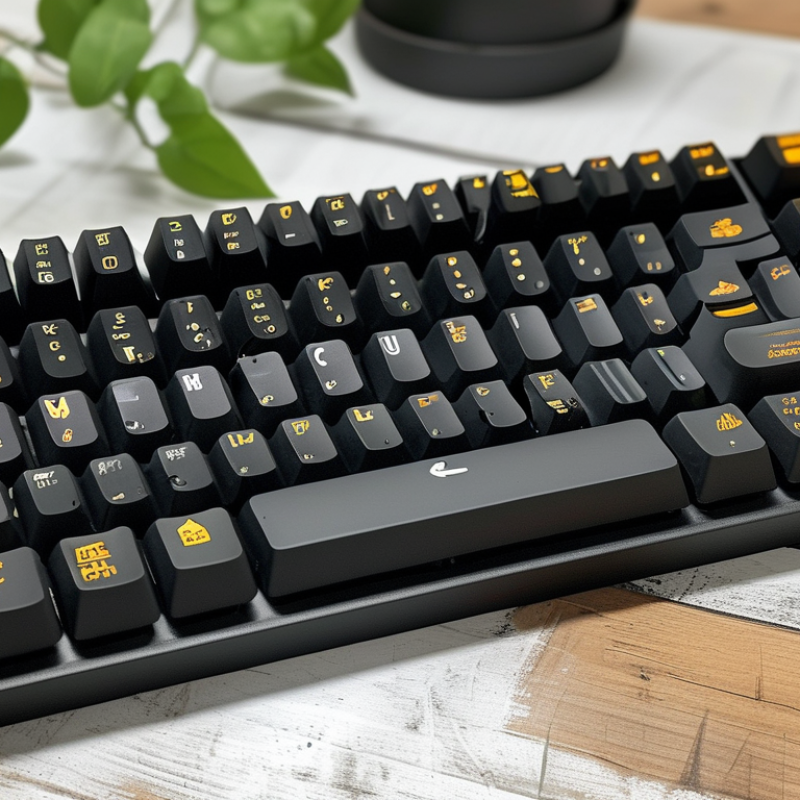
Embossed membrane keypads are unique input devices. They consist of thin layers with raised areas. This design creates tactile feedback, making them user-friendly. The keypads are commonly used in various applications, such as home appliances and industrial equipment. Their versatility is one of their key strengths.
When selecting an embossed membrane keypad, consider the intended application. Think about the environment where the keypad will be used. For instance, if it will be exposed to moisture, choose a keypad with high durability. Some keypads can resist dust and liquid, which is crucial for reliability. Color and graphics can also enhance usability and brand identity.
Embossed membrane keypads may not suit every scenario. For complex applications, additional features may be needed. A keypad might lack certain functionalities that users expect. Testing different designs can help identify potential flaws. User feedback is vital for refining the product. This iterative approach can lead to more effective designs that meet specific needs.
Key Features to Consider When Selecting an Embossed Membrane Keypad
When selecting an embossed membrane keypad, several key features should guide your decision. The first is tactile feedback. A good keypad provides a satisfying response when pressed. This ensures users can operate the device accurately, even in noisy environments. Another feature is durability. Look for products designed to withstand wear and tear, particularly if used frequently. High-quality options often resist dirt and moisture.
Consider the electrical specifications. Make sure the keypad matches your device's voltage and current needs. Incompatible models can lead to malfunctions or reduced lifespan. Assessing the layout is also crucial. The arrangement of buttons should fit your intended use. A poorly designed layout can confuse users.
Tips: Always request samples before finalizing your choice. Testing the keypad in real-life scenarios is vital. Don’t skip user feedback either. Genuine insights from actual users can highlight strengths and weaknesses. Quality varies, and sometimes the most popular options aren’t the best for your specific needs. Remember, function and user experience should guide your selection.
Key Features to Consider When Selecting an Embossed Membrane Keypad
Evaluating Durability and Environmental Resistance in Keypad Choices
Choosing the right embossed membrane keypad involves a careful evaluation of its durability and environmental resistance. A keypad faced with water exposure may degrade quickly if it lacks proper sealing. Check the material specifications to ensure they can withstand moisture. Additionally, consider the temperature range. Keypads that function in extreme heat or cold must be constructed from robust materials to prevent damage.
Environmental factors like dust, chemicals, and UV exposure also play significant roles. Keypads used in industrial settings often face harsh conditions. Look for options with an IP rating that indicates protection from dust and water. Not all keypads have the same resistance levels. Some may fade or become brittle when exposed to sunlight.
It's crucial to acknowledge that not every product will be flawless. Variations in quality can lead to unexpected failures. Regular testing under real-life conditions is beneficial. Users often report issues that manufacturers may not have anticipated. In selecting the best option, consider both performance and reliability.
Comparing Costs and Technical Specifications of Different Keypads
When selecting an embossed membrane keypad, examining costs and technical specifications is crucial. Understanding the price range is essential. Keypads can vary widely in cost depending on their features and materials. More advanced options typically exist at higher price points. However, lower-priced keypads may not offer the durability or functionalities required for specific applications.
Technical specifications matter a great deal. Factors like key travel, tactile feedback, and durability must align with your needs. A keypad with good sensitivity can enhance user experience. Some keypads provide a high level of water resistance, which is ideal for harsh environments. It’s also important to consider the keypad’s lifespan and how many presses it can withstand. This aspect often gets overlooked.
Cost and specifications should be carefully compared. Sometimes, a more expensive option might offer better long-term value. It may prevent the additional costs of replacements and repairs. Therefore, weighing both aspects can lead to a more informed decision. Reflect on your requirements, and don’t just focus on the price tag. Evaluate the overall performance against your specific needs for an optimal choice.
Design Considerations for Enhanced User Experience in Keypads
When selecting an embossed membrane keypad, design plays a crucial role in enhancing user experience. An effective keypad must not only be functional but also intuitive. Users should easily locate buttons without confusion. The tactile feedback from embossed keys can significantly improve accessibility. This ensures that users can operate devices accurately, even in low-light environments.
Tips: Consider the layout design carefully. A well-organized keypad guides users effortlessly. Use distinct shapes and sizes for various functions. This helps prevent mistakes during operation.
Colors also matter. A contrasting color scheme can aid visibility. Users with visual impairments will find this particularly beneficial. However, excessive colors may create distraction. Aim for a balance that maintains focus while being visually appealing.
Incorporate durability into your design. Membrane keypads are often exposed to harsh conditions. Choose materials that withstand wear and tear. Reflect on how long-term usability impacts user satisfaction. Gathering feedback from users can guide necessary adjustments, ensuring the keypad meets diverse needs.