Leave Your Message

2026 Best Nitrile O Rings for Global Buyers?

Choosing the best Nitrile O Rings for global buyers in 2026 requires more than comparing prices. Material grade, certification, compression behavior, and supply consistency can determine whether a seal survives or fails. A ring may look perfect on a warehouse shelf, yet leak after repeated exposure to oil, vibration, or temperature changes.

Industry forecasts support careful sourcing. Grand View Research’s Nitrile Butadiene Rubber Market Size, Share & Trends Analysis, 2024–2030, identifies automotive, industrial, and oil-related applications as important demand areas. These sectors commonly use nitrile compounds because they provide practical resistance to petroleum-based oils and fuels. However, nitrile is not a universal solution. Ozone, sunlight, ketones, and extreme temperatures can shorten its service life. That limitation is easy to overlook.

Reliable buyers should examine compound hardness, temperature range, operating pressure, and dimensional tolerances. ISO 3601 provides internationally recognized requirements for O-ring dimensions, sizes, and quality control. ASTM D2000 also helps buyers compare elastomer classifications and performance properties. For food, pharmaceutical, or regulated equipment, additional documentation may be necessary, including traceability and applicable compliance declarations.

The “best” option depends on the application.

Supplier experience matters too. A technically correct specification can still fail through poor molding, inconsistent batches, or weak packaging. Our comparison approach considers both laboratory data and practical purchasing details, including batch certificates, export packaging, lead times, and replacement availability. Some recommendations may require reconsideration as regulations, raw-material costs, and regional supply conditions change. That uncertainty should be stated clearly, not hidden behind confident marketing language.
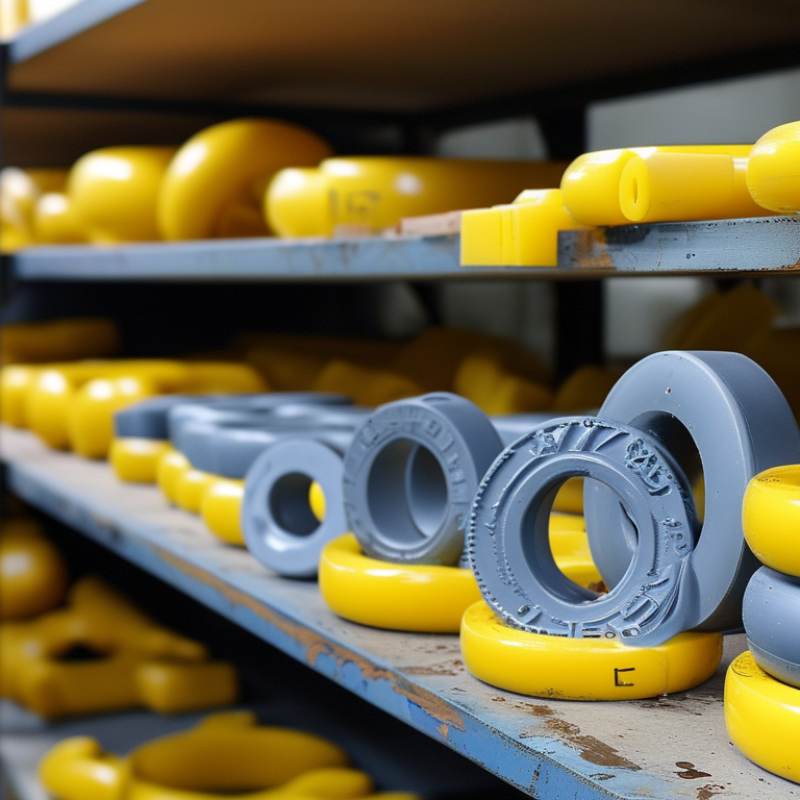
2026 Best Nitrile O Rings for Global Buyers?

What Are Nitrile O Rings and Where Are They Used?

Nitrile O rings, often called NBR seals, are circular elastomeric components used to prevent fluid or gas leakage. They sit inside a groove and compress against a mating surface. This pressure forms a practical barrier around shafts, covers, valves, and pipe connections. Nitrile rubber performs well with petroleum oils, hydraulic fluids, and many greases. Small details matter.

These seals appear in pumps, automotive systems, construction equipment, compressors, and industrial maintenance assemblies. Standard compounds often operate from about -30°C to 100°C, but the actual range depends on formulation and exposure time. Nitrile handles abrasion reasonably well, which helps in moving applications. It is not a universal material. Ozone, sunlight, and some aggressive chemicals can cause swelling, cracking, or early failure.

Global buyers should check inside diameter, cross-section, hardness, compound grade, and operating temperature before ordering. Groove dimensions must match recognized engineering tolerances, not visual guesses. A ring that looks correct may still leak after heat cycling. This happens more often than expected. Ask suppliers for material data, batch traceability, inspection records, and chemical compatibility information. Storage also deserves attention: keep unused rings sealed, cool, dry, and away from direct light. A careful selection process reduces waste, although real equipment conditions can still reveal assumptions that seemed reasonable on paper.
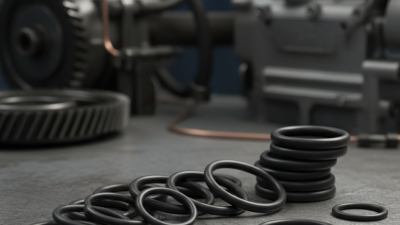
Key Properties of Nitrile O Rings for Industrial Applications

2026 Best Nitrile O Rings for Global Buyers?

Key Properties of Nitrile O Rings for Industrial Applications

Nitrile O rings remain practical for hydraulic, pneumatic, and fuel-related equipment. Their main strength is resistance to petroleum oils, grease, and many hydraulic fluids. Standard compounds usually operate from about -30°C to 100°C. Special formulations can reach approximately 120°C. Hardness commonly ranges from 70 to 90 Shore A, balancing sealing force with extrusion resistance.

A 2024 Grand View Research analysis identified automotive and industrial sealing as major nitrile rubber demand sectors. It also projected continued market growth through the decade. These figures support nitrile’s relevance, but they do not guarantee performance in every machine. ISO 3601 stresses dimensional accuracy for O rings, while ASTM D2000 helps engineers compare compound requirements. In field inspections, a smooth groove, correct squeeze, and clean installation often matter as much as the polymer itself. Small errors cause large leaks.

Tips: Check fluid compatibility, temperature peaks, pressure, and shaft movement together. For dynamic seals, excessive squeeze can increase friction and heat. For static seals, insufficient squeeze may allow leakage. Storage also matters. Keep rings away from sunlight, ozone, and sharp metal edges. A six-month inspection is sensible, though some maintenance teams still overlook it. That habit deserves review.

2026 Best Nitrile O-Rings for Global Buyers: Key Properties for Industrial Applications

Typical operating-temperature windows for common nitrile rubber compound designs. Actual limits depend on formulation, hardness, pressure, media, and installation conditions.

Nitrile O-rings are widely selected for mineral oils, hydraulic fluids, fuels, and general industrial sealing. Standard compounds commonly operate from approximately −30°C to +100°C, while specially formulated low-temperature compounds can reach about −50°C and high-temperature compounds may reach approximately +120°C. Always verify compatibility with the specific fluid and operating environment before selection.

How to Choose the Right Nitrile O Ring for Your Needs

2026 Best Nitrile O Rings for Global Buyers?

How to Choose the Right Nitrile O Ring for Your Needs

Start with the fluid, temperature, and pressure. Nitrile O rings suit many oils, fuels, and pneumatic systems. They usually perform well in moderate heat, but compound limits vary. Check the actual temperature range, not only a catalog headline. A common working range is about -30°C to 100°C. Some grades can extend beyond it. Confirm this with technical data.

Measure the groove and mating parts carefully. Select the correct inside diameter, cross-section, and hardness. A ring that feels tight may still fail under pressure. For static sealing, standard hardness often works well. Dynamic movement may require a softer or more wear-resistant compound. Inspect the shaft surface, too. Small scratches can create a slow leak. I have seen buyers blame the seal when the groove was the real problem.

Ask for batch traceability, material data, and dimensional inspection records. Standards such as ISO 3601 and ASTM D2000 can support consistent purchasing, but they do not replace application testing. Store rings away from sunlight, ozone, heat, and sharp edges. Keep them relaxed. Avoid stretching them over tools or dirty fittings. One practical trial is valuable. Test the ring with the real fluid and pressure cycle. Results may differ from laboratory claims. That uncertainty deserves attention. Cost matters, but replacement labor and downtime often matter more.

2026 Best Nitrile O Rings for Global Buyers? — How to Choose the Right Nitrile O Ring for Your Needs
Selection Profile Recommended Nitrile Formulation Typical Temperature Range* Oil and Fuel Resistance Flexibility and Low-Temperature Performance Typical Hardness Suitable Applications Main Limitations
General-purpose industrial sealing Standard NBR with medium acrylonitrile content, approximately 30–35% Approximately −30 to +100 °C Good Balanced flexibility and swelling resistance 70 Shore A is commonly specified; 60–90 Shore A is available Hydraulic equipment, pneumatic components, pumps, valves, pipe connections and general machinery Not suitable for continuous exposure to ozone, sunlight, weathering or hot air
Petroleum oil and fuel service NBR with higher acrylonitrile content, approximately 36–45% Approximately −20 to +100 °C Very good for many mineral oils, greases and petroleum-based fuels Lower flexibility at low temperatures than low-ACN NBR 70–90 Shore A Oil systems, fuel-handling equipment, automotive fluid circuits and industrial gear assemblies Higher acrylonitrile content can reduce cold-temperature elasticity; compatibility must be checked for each fuel blend
Cold-environment sealing NBR with lower acrylonitrile content, approximately 18–25% Approximately −40 to +100 °C, depending on compound design Moderate to good Better low-temperature flexibility and resilience 60–80 Shore A Outdoor machinery, refrigeration-related equipment without refrigerant exposure, mobile equipment and cold warehouses Lower resistance to oil and fuel swelling than high-acrylonitrile grades
High-pressure static sealing Medium- or high-ACN NBR with a firm compound and suitable extrusion resistance Approximately −30 to +100 °C Good to very good Moderate; firmness is prioritized over maximum flexibility 80–90 Shore A Hydraulic manifolds, flanges, pressure ports and static face seals May require backup rings when pressure, clearance or decompression risk is high
Dynamic reciprocating service Low-friction NBR compound with controlled compression set and a compatible lubricant Approximately −30 to +100 °C Good in mineral-oil-based systems Good when groove design, surface finish and lubrication are properly controlled 70–80 Shore A Hydraulic cylinders, pneumatic actuators and reciprocating shafts Poor lubrication, excessive squeeze, sharp edges or rough surfaces can cause wear and leakage
High-temperature oil service Special heat-resistant NBR compound; verify the supplier's compound-specific rating Often around −25 to +120 °C; some compounds are rated higher for limited exposure Good in selected oils at elevated temperature Usually lower than standard NBR at low temperature 70–90 Shore A Warm oil circuits, compressors and industrial equipment operating above standard NBR limits Continuous temperature capability depends strongly on formulation, pressure, media and exposure time
Low-compression-set requirement Peroxide-cured or specially formulated NBR, subject to compound validation Approximately −30 to +100 °C for many standard formulations Good Good elastic recovery when correctly designed and installed 70–90 Shore A Long-term static seals, covers, inspection ports and low-maintenance equipment Compression set varies with temperature, cure system, hardness, squeeze and storage conditions
Food, drinking-water or regulated service Only a specifically certified NBR compound approved for the target regulation and application Use the certified compound's stated range; do not rely on generic NBR limits Depends on the certified formulation and cleaning chemicals Depends on compound design Commonly 70 Shore A, but certification may specify other values Food-processing equipment, beverage systems or potable-water equipment only when the required compliance documentation is available Generic NBR must not be assumed to be food-contact, potable-water or pharmaceutical compliant
Cost-sensitive replacement parts Standard NBR, medium ACN, selected by media, temperature and size standard Approximately −30 to +100 °C Good for common mineral oils and greases Balanced 70 Shore A Maintenance kits, standard hydraulic seals, pumps, connectors and general replacement work The lowest purchase price may increase total cost if the compound, dimensions or certification are unsuitable
*Temperature ranges are general guidance for common NBR compounds, not universal guarantees. Final selection should be based on the exact compound data sheet, operating pressure, fluid composition, exposure duration, squeeze, groove dimensions, surface finish and required regulatory approvals.
Global Buyer Specification Checklist for Nitrile O Rings
Specification Dimension What to Confirm Practical Selection Guidance Common Reference or Unit
Material NBR compound, acrylonitrile content, cure system and additives Choose lower ACN for better cold flexibility and higher ACN for improved oil and fuel resistance NBR; ACN percentage; compound code
Hardness Shore A hardness and permitted tolerance Use softer grades for improved conformity at lower pressure; use harder grades to reduce extrusion risk and support higher pressure Shore A, commonly 70 ± 5
Size standard Inside diameter, cross-section and applicable dimensional standard Match the groove and mating hardware; do not select by inside diameter alone ISO 3601, AS568, DIN 3771 or another required regional standard
Fluid compatibility Exact fluid, additives, concentration, pressure and temperature Test the actual fluid where blends, aggressive additives or long service life are involved Fluid name, concentration, °C, bar or MPa
Pressure and extrusion control Maximum pressure, diametral clearance, gap size and backup-ring requirement Use a harder compound, reduce clearance or add backup rings when extrusion risk is present bar, MPa, clearance in mm
Seal movement Static, reciprocating, oscillating or rotary operation Dynamic applications require suitable lubrication, groove geometry and surface finish Movement type; speed in m/s; cycle rate
Compression and groove design Squeeze, stretch, gland fill and permissible dimensional tolerances Follow the applicable design standard and avoid excessive squeeze that can increase friction and compression set Percentage squeeze; gland fill percentage
Surface and installation Surface roughness, chamfer, edge condition, lubrication and assembly method Remove burrs and sharp edges, use a compatible lubricant and prevent twisting during installation Ra in µm; assembly lubricant specification
Quality documentation Material certificate, batch traceability, inspection report and dimensional records Request lot-based documentation for critical applications and define acceptance criteria before purchasing Certificate of conformity; inspection report; batch number
Storage and shelf life Protection from ozone, ultraviolet light, heat, humidity, oils and deformation Store sealed, cool and dark; keep away from electric motors and other ozone-generating equipment Storage temperature, packaging date and shelf-life policy

Global Standards, Sizes, and Quality Requirements for Buyers

2026 Best Nitrile O Rings for Global Buyers?

Global buyers need more than a familiar size. They need documented compatibility, stable dimensions, and traceable production records. AS568 dash numbers serve inch-based applications, while ISO 3601 supports international sizing and inspection requirements. JIS B 2401 is also common in Asian equipment. Fit is not universal. Measure the groove.

Nitrile rubber suits many hydraulic oils, fuels, and pneumatic systems. Its performance depends on compound grade, hardness, temperature, and pressure. ASTM D2000 helps buyers compare rubber classifications, while ASTM D2240 defines Shore A hardness testing. Request test results for compression set, tensile strength, elongation, and volume change.

A 70 Shore A ring may work well in a static flange, but dynamic sealing can require a different formulation.

The 2024 IMARC Group market analysis identifies automotive, industrial machinery, and aerospace equipment as major demand sectors for O-rings. That demand increases pressure on suppliers to provide consistent batches. Ask for lot numbers, material declarations, dimensional inspection records, and storage dates. A certificate alone is not enough.

I would still sample incoming parts and inspect surface marks under bright light. Even careful specifications can miss real assembly conditions. A small mismatch in groove fill may cause leakage after thermal cycling. Temperature limits should be verified against the actual medium, not copied from a general catalog.

How to Compare Suppliers, Pricing, and Long-Term Performance

2026 Best Nitrile O Rings for Global Buyers?

For global buyers, the best nitrile O ring is not always the cheapest item. Supplier comparison should begin with application data, not catalog promises. Confirm the required hardness, diameter tolerance, operating temperature, pressure, and fluid exposure. Request material certificates, batch traceability, and recent inspection records. A reliable supplier should explain testing methods clearly. Vague answers deserve caution.

Pricing needs a wider calculation. Compare the unit price, tooling fees, sample charges, packaging, freight, and potential import costs. Ask whether the quotation covers inspection and replacement terms. A lower price may hide inconsistent sizing or weak quality control. I have seen small dimensional errors create leaks after installation. That mistake costs more than the original savings. Still, buyers should not assume higher prices guarantee better performance.

Long-term performance depends on compression set, resistance to oils, and storage conditions. Request test data that matches the real working environment. A seal used near hot hydraulic fluid needs different evidence than one used in a dry assembly. Check production capacity and lead-time history before approving a large order. One useful trial places samples through repeated temperature cycles, then measures elasticity and visible cracking. It is not perfect, but it reveals practical weaknesses. Keep records of batch numbers, installation dates, and failure patterns. Supplier reviews should include these details, not only polished sales claims.