China Top Led Inks Innovations and Industry Impact?
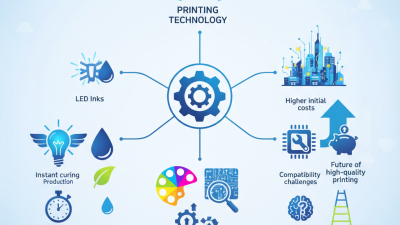
The landscape of printing technology is rapidly evolving, with China at the forefront of innovations in led inks. According to a recent report by Smithers, the global market for led inks is projected to reach USD 1.36 billion by 2025. This growth is primarily driven by the increased demand for sustainable solutions and the shift from conventional inks to LED-cured options. Businesses are recognizing the benefits, including faster drying times and energy efficiency.
Chinese manufacturers have played a pivotal role in this transition. They have invested heavily in research and development, often leading to breakthroughs in formulation and application techniques. A report from Grand View Research highlights that the use of led inks has grown by over 15% annually in China alone. Despite these advancements, there are still significant challenges. Quality consistency and the cost of raw materials remain pressing issues for manufacturers.
The impact of led inks on various industries is profound. From packaging to commercial printing, the applications are extensive. However, the variability in performance and the need for industry standardization raise valid questions. Companies must continually evaluate their processes to ensure they meet evolving market demands while maintaining product quality.

China's Leadership in LED Ink Innovations
China has emerged as a leader in the realm of LED inks, making significant strides in innovation. This progress is not merely a matter of technology. It reflects a broader commitment to sustainable practices within the printing industry. LED inks offer quicker curing times and reduced energy consumption, which aligns with global environmental goals. As manufacturers embrace these advances, the demand for greener solutions spikes.
The innovations are impressive but come with challenges. Many companies face a steep learning curve in adapting existing processes to incorporate LED inks. There are concerns about color vibrancy and adhesion on various substrates. These issues require ongoing research and development. The market is dynamic, and staying ahead is a necessity. Success in this field hinges on collaboration across the industry.
Despite the challenges, the future looks promising. The potential for LED inks to transform printing is substantial. However, companies must remain vigilant. Understanding the limitations and addressing them will define the future landscape. Leaders in innovation must embrace a trial-and-error approach, fostering an environment where creativity can thrive. This mindset could propel further advancements in LED inks.
Key Technologies Driving LED Ink Development in China
In recent years, China has emerged as a leader in the development of LED inks. Various technological advancements are at the forefront of this growth. Key innovations include improved light stability and enhanced color vibrancy. These advancements allow for better printing quality and durability. Many manufacturers in China focus on creating eco-friendly formulations, addressing environmental concerns and sustainability.
Numerous companies are investing in research and development to refine the performance of LED inks. Research shows that using UV-curable materials can lead to faster curing times and reduced energy consumption. While this is promising, challenges still exist. For instance, ensuring consistent quality across different production batches can be difficult. Many manufacturers are still struggling with this issue, which affects overall reliability.
Collaboration between research institutions and industry leaders is crucial for driving further innovation. Partnerships can facilitate knowledge sharing and accelerate technology transfer. However, the rapid pace of development can sometimes lead to inconsistencies in application methods. Balancing innovation with practical implementation remains an ongoing challenge. As the industry evolves, continuous adaptation will be essential for maintaining leadership in LED ink technology in China.
The Impact of LED Inks on the Printing Industry
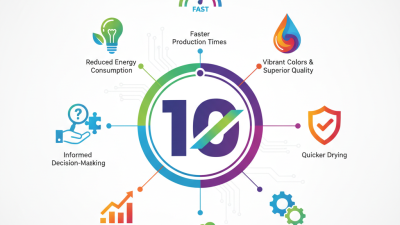
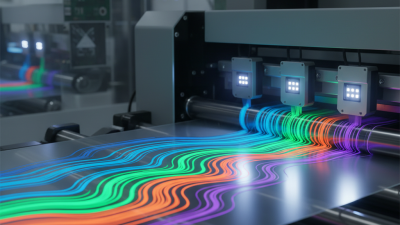
LED inks are revolutionizing the printing industry. Their energy efficiency is notable. These inks cure rapidly under UV light. This means faster production times. Many printers are switching to LED technology for this reason.
The impact on the environment is significant. LED inks contain fewer volatile organic compounds (VOCs). This leads to healthier working conditions for print operators. However, transitioning to LED inks isn't always smooth. Initial costs can be high. Not all printers are equipped for this change.
Quality is another aspect worth discussing. LED inks provide vibrant colors and sharp images. They adhere well to various substrates. Yet, some users report challenges with adhesion on specific materials. There’s a learning curve when adapting to new equipment. The printing industry must weigh these factors. Balancing quality with the need for eco-friendliness is crucial as technology evolves.
Sustainability and Environmental Benefits of LED Inks
The use of LED inks is revolutionizing the printing industry. These inks offer significant environmental benefits compared to traditional solvents. According to recent studies, LED inks reduce volatile organic compounds (VOCs) by over 90%. This reduction plays a vital role in improving air quality and protecting the environment.
LED inks cure quickly under UV light, allowing for faster production times. This efficiency means less energy consumption during the printing process. Reports indicate that using LED technology can cut energy usage by up to 50%. Additionally, businesses save on costs associated with waste disposal due to the lower chemical content in LED inks.
However, the transition to LED inks is not without challenges. Some print providers struggle with the initial investment costs. Moreover, there is ongoing research needed to enhance color vibrancy and adhesion for various substrates. Balancing these factors is crucial. The industry must address these hurdles to fully unlock the sustainable potential of LED inks.
China Top LED Inks Innovations and Industry Impact - Sustainability and Environmental Benefits of LED Inks
| Innovation Type |
Description |
Environmental Benefit |
Industry Impact |
| Low-VOC Inks |
Inks developed with reduced volatile organic compounds. |
Lower air pollution and improved indoor air quality. |
Attracts eco-conscious consumers and enhances brand value. |
| Energy-efficient Curing |
Utilization of LED technology for ink curing. |
Significantly reduces energy consumption during production. |
Decreases operational costs and improves manufacturing efficiency. |
| Recyclable Inks |
Inks formulated from biodegradable and recyclable materials. |
Reduces waste and promotes a circular economy. |
Enhances sustainability profile of printed products. |
| Water-based Inks |
Inks that use water as a primary solvent instead of harmful chemicals. |
Lower toxicity and better safety for workers and consumers. |
Widens market reach to eco-friendly companies. |
| Fast-drying Inks |
Inks designed for quick drying times to increase production speed. |
Reduces waste in production process. |
Enhances throughput and responsiveness to market demands. |
Future Trends and Challenges in China's LED Ink Market
China's LED ink market is rapidly evolving, driven by technological advancements and increasing demand across various sectors. A recent report predicts that the market will grow at a compound annual growth rate (CAGR) of 8.5% from 2023 to 2028. This growth is fueled by innovations in printing technologies and a push for more sustainable materials. However, challenges remain, particularly in the formulation of these inks to ensure compatibility with diverse substrates and printing methods.
As the market expands, manufacturers face pressure to meet stringent environmental regulations. An analysis revealed that eco-friendly formulations could reduce the environmental impact by 30% compared to traditional inks. It is essential for companies to invest in R&D to overcome these hurdles. Improved supply chain practices can also enhance production efficiency.
Tips: Stay informed about regulatory changes. Develop partnerships with eco-conscious suppliers. Focus on consumer education regarding the advantages of LED inks. Embrace innovation, but do not overlook the need for thorough testing to ensure quality and consistency. The journey toward a sustainable future may reveal unexpected challenges, but it is imperative to tackle these issues head-on.