Essential Tips for Choosing Rubber Oil Seals for Your Needs?
When selecting the right Rubber Oil Seals, it is crucial to consider your specific needs. Rubber Oil Seals play a vital role in preventing leaks and ensuring the efficient operation of machinery. Choosing the wrong seal can lead to costly repairs and downtime.
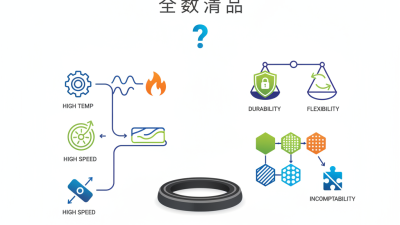
Experience is essential when navigating the various options available. Different applications demand different types of seals. Understanding the environment and conditions in which the seals will operate can significantly influence your choice. For example, high temperatures and aggressive chemicals require specialized materials.
It’s easy to overlook certain details in the selection process. However, a reliable seal must not only fit perfectly but also withstand operational stresses. Quality and expertise in manufacturing will ensure durability and reliability. Don't rush the selection; reflect on both technical specifications and real-world performance.
Understanding the Role and Function of Rubber Oil Seals in Machinery
Rubber oil seals play a crucial role in machinery. They prevent leaks and keep lubricants in. This helps maintain the efficiency of many systems. Properly chosen seals can enhance equipment longevity. Understanding their function is vital for effective maintenance.
When choosing rubber oil seals, consider the working environment. Factors like temperature, pressure, and oil type matter. Different seals handle different conditions. For instance, high temperatures may require special materials. Always examine the specifications to ensure compatibility.
One common mistake is ignoring wear and tear. Always check seals during maintenance. Signs of damage can include cracks or deformation. Signs may not be obvious, but they can lead to failures. Regular inspections can save time and costs. Ultimately, selecting the right rubber oil seal involves both knowledge and attention to detail.
Essential Tips for Choosing Rubber Oil Seals
The bar chart above illustrates the key factors to consider when selecting rubber oil seals for machinery, emphasizing the importance of material quality, temperature resistance, and chemical compatibility, among others. Each factor plays a crucial role in ensuring the seals function effectively and enhance the overall performance of machinery.
Factors to Consider When Selecting Rubber Oil Seals for Applications
When selecting rubber oil seals, several factors come into play. The type of application is crucial. Consider whether the seal will be used in automotive, industrial, or marine environments. Each application has unique requirements.
Temperature ranges also matter. Some seals work well in extreme heat, while others are designed for cold conditions.
Material composition is another significant aspect. Different types of rubber, such as nitrile or fluorocarbon, offer various benefits.
- Nitrile provides good resistance to oil.
- Fluorocarbon, on the other hand, withstands high temperatures and harsh chemicals.
Think about what your specific needs are.
Installation ease is often overlooked.
A poorly installed seal can lead to leaks or failures. Ensure that you choose seals designed for your machinery. A professional’s input can be invaluable. Involving someone with experience can help mitigate errors.
Sometimes, the cheapest option isn't the best. Consider
durability and
long-term performance. You might need to reflect on your priorities before making a choice.
Types of Rubber Materials Used in Oil Seals and Their Characteristics
When it comes to selecting rubber oil seals, understanding the materials used is crucial. Common rubber materials include Nitrile, EPDM, and Viton. Nitrile rubber, known for its excellent resistance to oil and fuel, is widely used in various applications. According to a report by the Rubber Manufacturers Association, around 40% of oil seals in automotive applications are made from Nitrile. This material can effectively operate in temperatures ranging from -40°F to 250°F.
EPDM rubber is another popular choice for oil seals. It's particularly effective against weathering and aging. Its high resistance to ozone makes it ideal for outdoor applications. However, EPDM does not perform well against petroleum-based oils. This limitation is significant in automotive and industrial contexts, where exposure is common. Studies indicate that seals made from EPDM can last up to 10 years if used correctly, but they require careful consideration of their intended use.
Viton rubber offers superior thermal and chemical resistance, making it suitable for extreme environments. However, its cost can be a drawback. A detailed survey noted that less than 15% of manufacturers choose Viton due to its higher price, despite its long lifespan. It's essential to evaluate the working conditions and compatibility of these materials with the fluid types involved. Each choice requires careful thought to ensure optimal function and longevity in critical applications.
Essential Tips for Choosing Rubber Oil Seals for Your Needs
| Rubber Material Type |
Characteristics |
Temperature Range (°C) |
Typical Applications |
| Nitrile Rubber (NBR) |
Good oil resistance, excellent mechanical properties. |
-40 to 120 |
Automotive seals, hydraulic applications. |
| Fluoroelastomer (FKM) |
Excellent resistance to high temperatures and oils. |
-20 to 200 |
Chemical processing, aerospace, automotive. |
| Silicone Rubber (VMQ) |
Good high-temperature resistance and flexibility. |
-50 to 220 |
Food processing, medical equipment. |
| Neoprene Rubber (CR) |
Moderate oil resistance, good weathering properties. |
-40 to 120 |
Marine applications, electrical insulation. |
Key Measurements and Specifications Required for Proper Fit
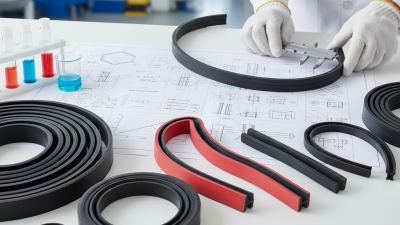
When selecting rubber oil seals, proper measurements are crucial for a good fit. Start with the outer diameter (OD) to ensure it matches the housing. An improper OD could lead to leakage. The inner diameter (ID) is equally important and needs to fit the shaft securely. If the ID is too loose, it can cause failure over time.
Next, consider the thickness of the seal. A thicker seal may offer better resistance to wear. However, too thick could cause installation issues. Pay attention to the material of the seal. Different applications require different rubber compounds. For example, some seals withstand extreme temperatures better than others.
Additionally, think about the sealing lip design. It can impact how well the seal performs. A good design minimizes friction and extends life. Remember, small details matter. Take your time to measure accurately and choose wisely. This process can prevent costly repairs later on. Missteps in selecting seals often lead to frustration, so double-check before making a decision.
Maintenance Tips for Prolonging the Life of Rubber Oil Seals
Maintaining rubber oil seals is crucial for their longevity. Regular inspection helps identify wear and tear early. Check for cracks or hardening, as these can lead to leaks. It's essential to maintain the proper lubrication levels around the seals. Insufficient lubrication may cause them to dry out.
Temperature fluctuations impact the seals' effectiveness. High heat can accelerate degradation, while extreme cold may cause brittleness. It’s wise to store equipment in a controlled environment. Many overlook the need for proper storage. Ensure seals are kept away from direct sunlight and harsh chemicals. Even small factors can affect their lifespan.
Using rubber oil seals in the right applications is also vital. Compatibility with the environment is key. Some seals may work well in one situation but fail in another. Using the wrong type can lead to premature failure. Awareness and attention to detail can significantly extend the life of these components. Regularly revisiting your maintenance routine can prevent costly repairs.