








Dual-Technology Routes for Flexible Tactile Sensors Commercialized: Silicone-based and Polymer-based Solutions Empower Robots with Precise Sensing
As robotic manipulation evolves from vision-dependent to tactile-driven contact-rich interaction, high-resolution vision-based tactile sensors have garnered growing attention. Capacitive-resistive flexible pressure sensor, which integrate the high sensitivity of capacitive technology and the superior stability of resistive technology while leveraging the compatibility advantages of flexible substrates, have emerged as the mainstream technical solution to address this industry challenge. Among them, the silicone-based and polymer-based approaches represent the two primary development routes.
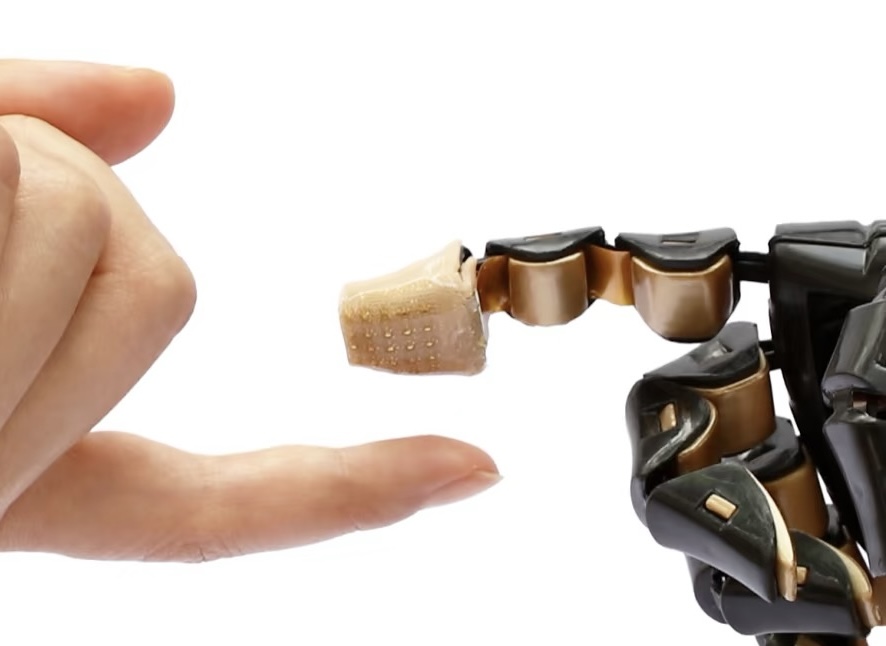
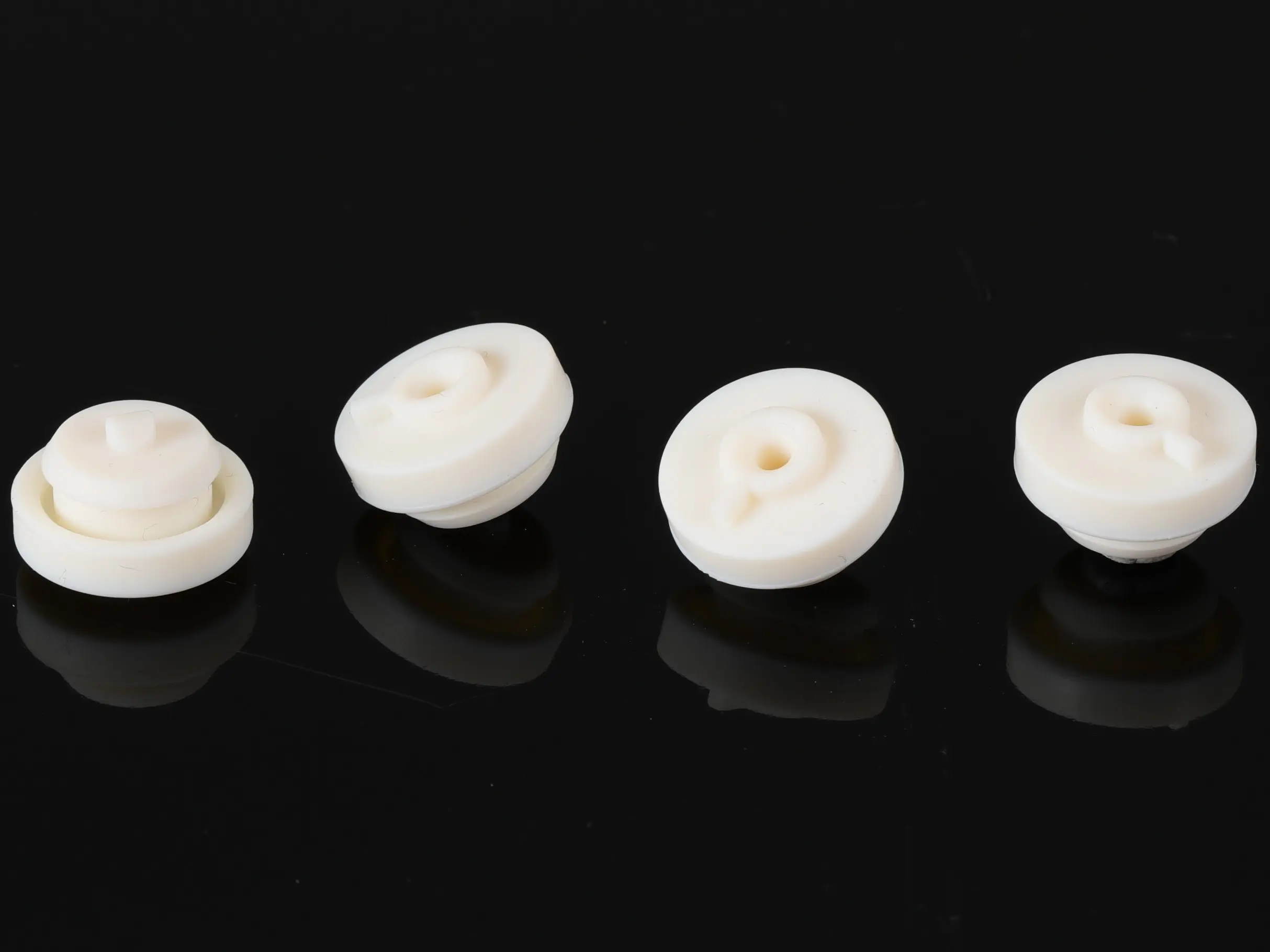
Silicone-based capacitive-resistive force sensitive sensor adopt silicone materials as the substrate, boasting excellent elastic recovery and flexural endurance. Capable of withstanding over 1 million repeated bending cycles, these sensors deliver outstanding performance in high-frequency motion components such as robotic joints and dexterous fingers. By accurately capturing pressure variations, they enable stable grasping of fragile objects and real-time detection of object hardness and elasticity. Consequently, silicone-based force sensitive sensor are ideally suited for scenarios demanding high environmental adaptability, including rehabilitation robots and outdoor operation robots.
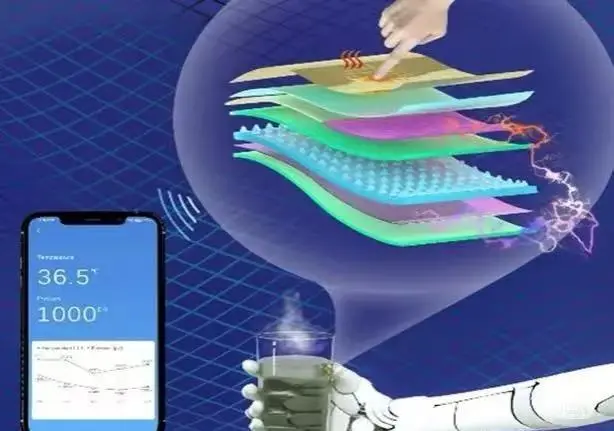
Polymer-based capacitive-resistive flexible pressure sensor, by contrast, feature thermoplastic polyurethane (TPU) and other polymer materials as the core component. Their advantages of thin and lightweight design, cost-effectiveness, and scalability for mass production make them the preferred choice for both consumer-grade and industrial-grade robots. Research data indicates that polymer-based sensors achieve a sensing coverage rate of 87.2% under dynamic load conditions, maintaining over 70% effective sensing capability even under extreme deformation. With their high cost-performance ratio and mass production potential, polymer-based sensors are widely applied in large-scale demand scenarios such as industrial sorting robots and intelligent prosthetics.
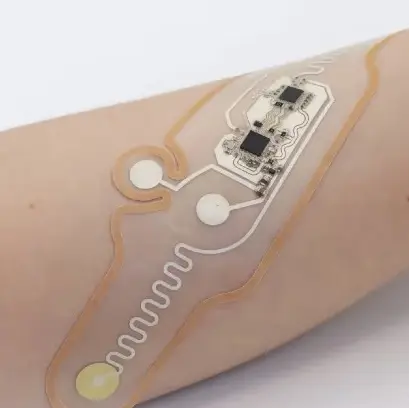
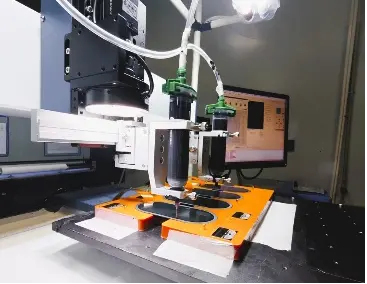
Faced with the vast market prospects in the electronic skin sector, Suzhou Menhow—a specialist in silicone rubber parts and pressure sensing membrane switch manufacturing, is accelerating its cross-industry expansion into the electronic skin field, with a focused push on the R&D and industrialization of silicone-based capacitive-resistive flexible pressure sensor. Leveraging its core technical strengths accumulated in silicone rubber material formulation and precision manufacturing of flexible electronic circuits, Suzhou Menhow will prioritize performance optimization, cost control, and batch production of silicone-based sensors. The company is committed to breaking through key technical bottlenecks, providing high-reliability and high-compatibility core components for the robotic "electronic skin" industry, and contributing to the high-quality development of China’s intelligent manufacturing sector.