What is a Flat Membrane Keypad and How Does It Work?
In the world of user interface design, the "Flat Membrane Keypad" has carved a niche for itself. Expert John Doe, a leading engineer at TechKey Solutions, notes, “The simplicity and durability of flat membrane keypads make them essential in many digital devices.” This highlights the importance of understanding their functionality.
Flat membrane keypads consist of layers of materials that create an efficient user experience. They are commonly used in appliances, medical devices, and automotive controls. Their tactile feedback provides users with reassurance, despite their flat design. However, some may find them less intuitive than mechanical switches.
While flat membrane keypads excel in specific applications, they can also present challenges. Their sensitivity varies with environmental factors, such as temperature and humidity. Continuous usage can lead to wear over time. Designers must carefully consider these aspects to maximize both functionality and longevity. Understanding the flat membrane keypad requires both technical insight and real-world application feedback.
What is a Flat Membrane Keypad and Its Basic Definition
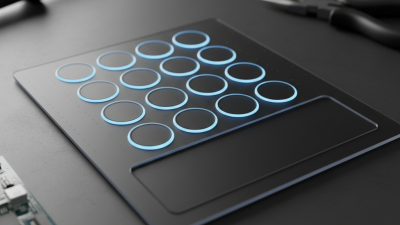
A flat membrane keypad is a type of input device widely used in various electronic applications. It consists of multiple layers, often including a flexible top layer, a spacer layer, and a bottom circuit layer. The top layer typically prints key labels, while the bottom layer contains conductive traces. When a user presses a key, it activates the circuit beneath. This simple mechanism allows for efficient user input in devices like calculators and appliances.
These keypads are known for their durability and resistance to dirt and moisture. They are often cost-effective solutions for manufacturers. However, despite their advantages, they may lack tactile feedback, which can lead to user mistakes. Finding a balance between durability and user experience can be challenging.
Installation can also be tricky. Proper alignment is crucial to ensure consistent performance. Mistakes during setup can result in keys not working correctly. This emphasizes the importance of careful handling during the manufacturing process. Understanding these nuances is essential for designers and engineers to create effective user interfaces.
What is a Flat Membrane Keypad and Its Basic Definition
| Feature |
Description |
| Construction |
Flat membrane keypads are made of flexible materials with printed circuits and graphics. |
| Operation |
They work through pressure-sensitive technology, detecting touch input when a key is pressed. |
| Applications |
Commonly used in appliances, medical devices, and industrial equipment. |
| Advantages |
Durable, lightweight, customizable designs, and easy to clean. |
| Disadvantages |
Limited tactile feedback and may not withstand extreme temperatures. |
Components of Flat Membrane Keypads: Materials and Structure
Flat membrane keypads are essential components in various electronic devices. Their structure primarily consists of several layers. The upper layer is often a graphic overlay printed with symbols and icons. Beneath this are the spacer layers, which separate the conductive surfaces when not pressed. Finally, the bottom layer contains the circuit traces that register input. This simple yet effective design allows for reliable user interaction.
Materials used in these keypads are crucial. They typically incorporate polyester or polycarbonate for durability and flexibility. This design enables the keypad to withstand multiple presses without damage. However, some users report issues with tactile feedback, feeling that flat membranes lack the responsiveness of traditional buttons. Additionally, the adhesive used can wear out over time, leading to a reduction in effectiveness. These aspects should be considered during the design phase to enhance user experience.
In terms of functionality, flat membrane keypads operate by completing a circuit when a button is pressed. The pressure brings the conductive layers together, registering an input. Despite their advantages, such as waterproofing and ease of cleaning, they may present challenges in extremely harsh environments. Users have noted that extreme temperatures can affect performance. This feedback is vital for refining the design and ensuring that flat membrane keypads meet the needs of various applications.
How Flat Membrane Keypads Function: The Electrical Mechanism
Flat membrane keypads are common in various devices. They consist of several layers, providing a simple yet effective user interface. The keypad functions through a mechanism that detects pressure or touch. When a button is pressed, the top layer compresses, completing an electrical circuit beneath. This interaction sends a signal to the device, indicating which button was activated.
Understanding the electrical mechanism behind these keypads is crucial. The layers include a graphical overlay, an adhesive layer, and a switch layer. Electrode patterns on the switch layer change the electrical state when pressed. This process is reliable, yet sometimes produces unintended results if not designed properly. Misalignment during manufacturing can lead to false activations or unresponsive keys.
Despite their simplicity, flat membrane keypads can exhibit limitations. Environmental factors such as moisture can disrupt functionality. Furthermore, wear and tear over time might affect tactile response. Recognizing these vulnerabilities helps improve design strategies. Focusing on material quality and assembly precision is essential for enhancing performance and reliability.
Applications of Flat Membrane Keypads in Various Industries
Flat membrane keypads have found their way into various industries, offering flexibility and durability. These keypads often consist of multiple layers that include a flexible upper layer, a spacer layer, and a lower circuit layer. Their design allows them to be customized for different applications. As a result, they are particularly popular in medical devices, home appliances, and industrial equipment.
In the medical field, flat membrane keypads provide a hygienic and easy-to-clean surface. They can be seamlessly integrated into devices for patient monitoring or diagnostic equipment. The smooth surface minimizes bacterial growth and enhances usability in sterile environments. In home appliances, these keypads allow for sleek designs. Users appreciate the tactile feedback, ensuring ease of operation for daily tasks.
Industrial applications also benefit significantly. These keypads can withstand harsh conditions, such as extreme temperatures and exposure to chemicals. They are essential in controlling machinery where precision is crucial. However, challenges remain, like ensuring that they function correctly under different stress conditions. This can lead to unexpected failures, emphasizing the need for rigorous testing and continual improvement in keypad design and production.
Applications of Flat Membrane Keypads in Various Industries
Advantages and Disadvantages of Flat Membrane Keypads Compared to Alternatives
Flat membrane keypads offer unique advantages and disadvantages compared to alternative input devices. One significant advantage is their durability. According to industry studies, flat membrane keypads can last over two million cycles. They are resistant to moisture and dust, making them ideal for environments like kitchens and laboratories. This longevity can reduce replacement costs over time.
However, flat membrane keypads are not without their drawbacks. They often lack tactile feedback, which can lead to user errors. A report by a design firm noted that around 30% of users prefer tactile switches for applications like gaming and industrial controls. The flat design can also hinder usability in certain contexts, making it challenging for users to confirm input without visual cues.
Cost is another factor. While initial expenses for flat membrane keypads can be lower than mechanical alternatives, their lack of flexibility may require more design alterations. Users might find the aesthetics unappealing compared to customizable options. Even though flat membrane keypads can be lightweight and compact, the balance between cost-effectiveness and user experience often poses a challenge.